CNC Router vs Mill: The Real Differences and Which to Choose
This is one of the most common crossroads in the hobby, and it is also one of the most misunderstood. People treat \"router\" and \"mill\" as fancy words for t...
Browse our complete collection of desktop CNC router reviews, bit selection guides, spindle VFD setups, and woodworking project plans.
This is one of the most common crossroads in the hobby, and it is also one of the most misunderstood. People treat \"router\" and \"mill\" as fancy words for t...
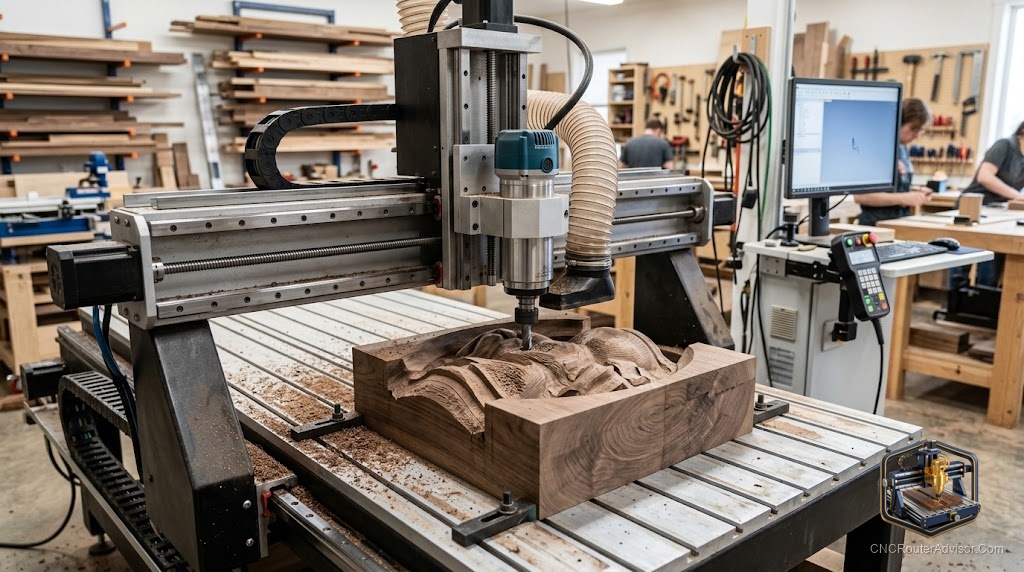
The first time you watch a CNC router carve a name into a slab of walnut, it looks like magic. A bit spins down, traces a shape you drew on a laptop an hou...
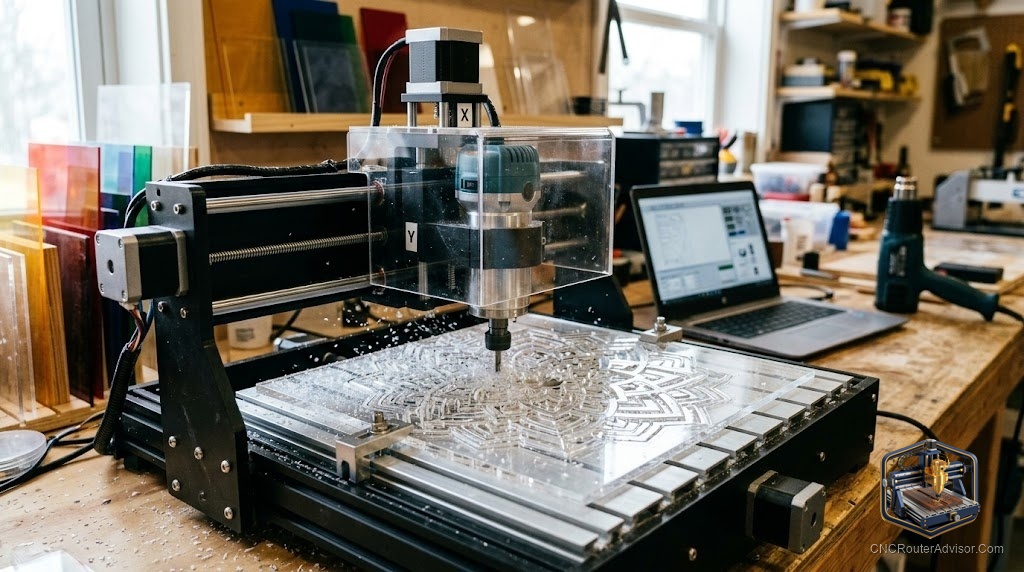
You finish the wood sign, hang it on the wall, and then someone asks: can you do that in acrylic? The lit-up kind, with LEDs inside? That question is the g...
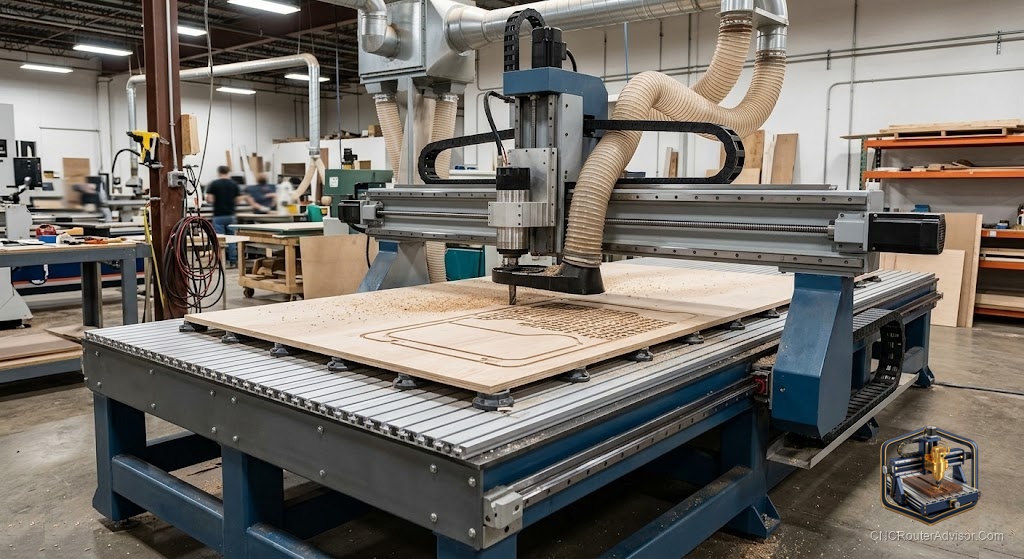
Five feet square isn't the most common machine format, but it hits a specific sweet spot: large enough to nest two standard 30x30-inch panels side by side,...
A 48-inch dimension in CNC naming is the four-foot measurement that appears in two distinct machine categories: 48x48 (4x4-foot) machines and 48x96 (4x8-fo...
Wood carving by CNC is a slow reveal. The roughing pass looks nothing like the final piece. You're watching a ball-nose trace a surface that won't make sen...
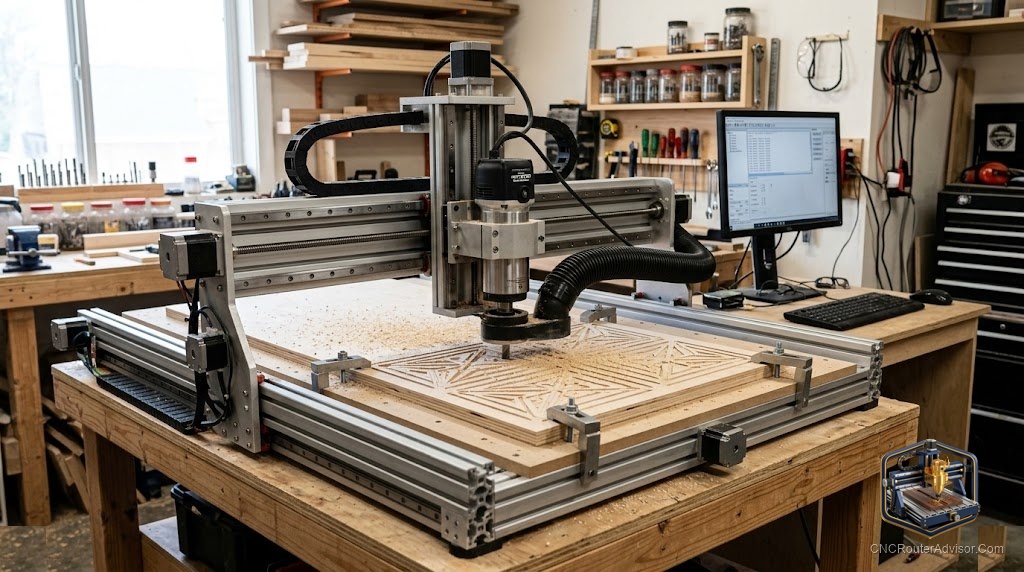
Somewhere between the 30-inch hobbyist square and the 48-inch prosumer square sits a gap in the production catalog. Three feet square sounds like exactly w...
At 1/32 inch, you are at the point where the bit is genuinely delicate, and the discipline required to use it well is different in character from anything ...
A 1/16 inch CNC router bit is approximately the diameter of a thick pencil lead. That scale is easy to visualize and immediately communicates the thing beg...