
CNC Wood Router Services: Diagnosis, Fixes, Maintenance, and Support
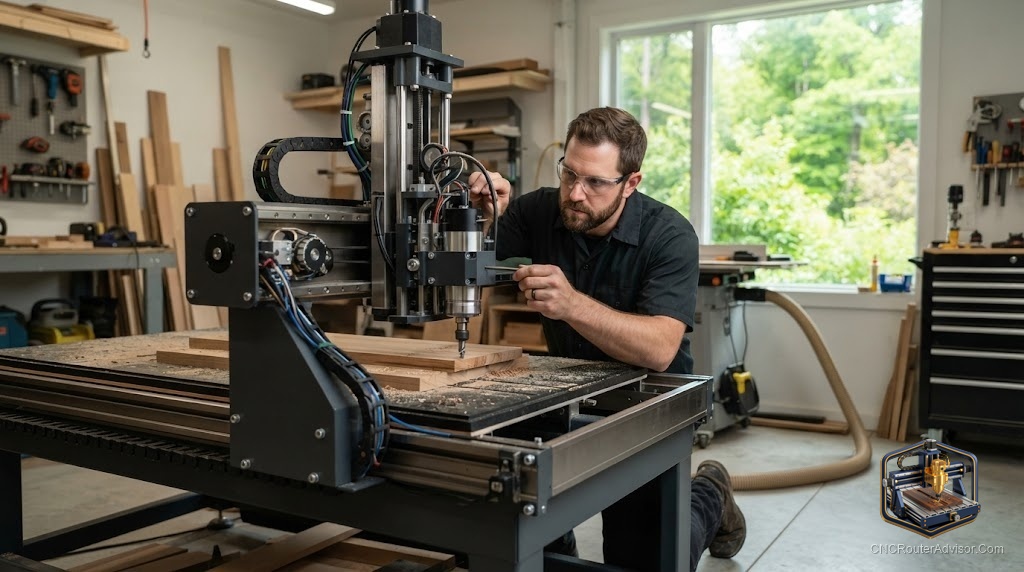
A CNC wood router that runs sweetly is a joy, and one that has started cutting rough, drifting off dimension, or making strange noises is a puzzle worth solving methodically. Whether you maintain your own machine or rely on a service to keep it running, understanding how wood router service works, from diagnosis to fixes to prevention, helps you keep the machine accurate and know when to call for help. This guide covers the service side of owning a wood router.
Diagnosis starts with the symptom
Good service begins by reading what the machine is telling you rather than swapping parts at random. In wood router work, a few symptoms recur:
- Rough or fuzzy cuts often mean a dull tool, too slow a feed, or poor chip evacuation, though they can also signal a flexing machine.
- Inaccurate or off-dimension parts point to backlash, a loose belt, or lost steps in the motion system.
- Steps or shifts mid-cut suggest a loose coupler, an overloaded stepper, or too aggressive a feed.
- Grinding or unusual noise points to bearings, or rails and screws that need cleaning and lubrication.
- Spindle trouble shows as overheating, whining, or intermittent power, tracing to bearings, brushes, cooling, or wiring.
Matching each symptom to its likely cause is what saves time and prevents replacing healthy parts.
The fixes that solve most problems
A large share of wood router service is routine. Replacing a dull or worn bit fixes many finish complaints. Tightening belts and checking for backlash restores accuracy. Cleaning and lubricating rails and screws brings back smooth motion. Squaring the gantry sharpens cut quality. Swapping a worn collet fixes runout that ruins finish and dimensions. And attending to spindle bearings or brushes handles most power-head issues. None of these demand exotic tools, just patience and a methodical approach.
Maintenance that prevents service calls
The best service is the kind you avoid through good maintenance. Wood work generates a lot of dust, so a simple routine matters even more:
- Clear dust and chips after sessions, especially from rails, screws, and the spindle.
- Keep the motion system clean and lubricated per the machine’s guidance.
- Check belt tension and fastener tightness periodically, since vibration loosens things.
- Inspect and replace bits before they dull to the point of tearing wood.
- Retire worn collets, and keep the spindle’s cooling paths clear.
- Confirm wiring is secure and grounding is intact.
A machine that gets this care rarely surprises you mid-project.
Keeping accuracy over time
Accuracy drifts slowly in wood work, often masked by the forgiving nature of the material until a precise part comes out wrong. Cut a test pattern periodically and measure it. If dimensions have wandered, check backlash, belt tension, and squareness before assuming something is broken. Catching drift early turns a potential service headache into a quick adjustment.
When to seek outside support
Some problems sit outside routine service, such as a failed controller, a burned spindle, or a persistent electrical fault you cannot trace. When you reach that point, manufacturer troubleshooting resources and active user communities are valuable, since most issues have been solved and documented before. If you would rather not do the work yourself, a qualified service can diagnose and repair the machine, ideally one experienced with your controller and spindle type.
Keeping your wood router dependable
Servicing a CNC wood router is really about trust in the machine. Diagnose by symptom, fix at the root cause, and maintain on a simple schedule, and the machine stays accurate and dependable for years. Whether you do the work yourself or lean on a service, understanding the process means you always know what is happening and what the machine needs next.