
CNC Router Machining Services for Plastics: How to Compare Providers, Certifications, and Value
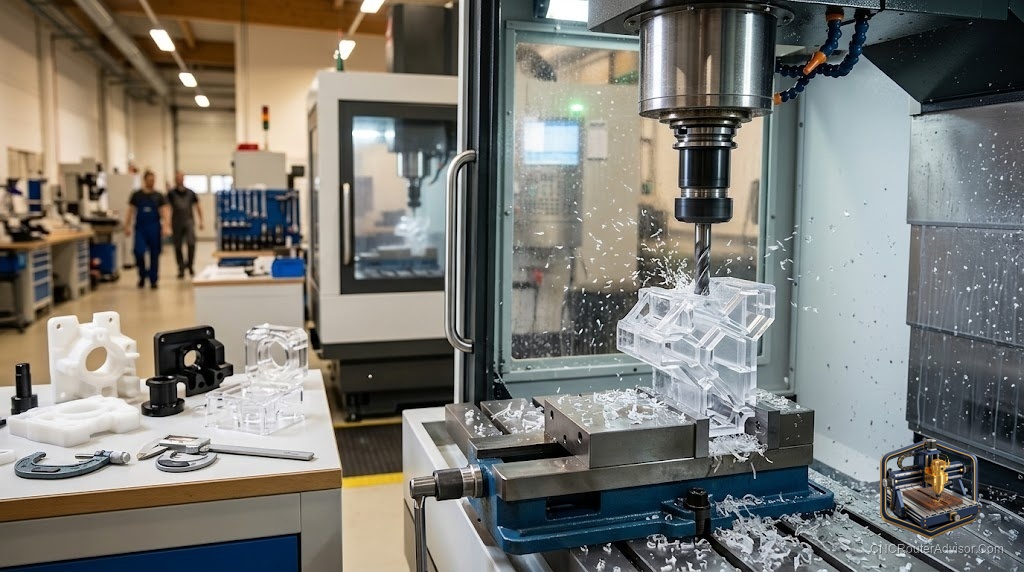
Choosing a CNC plastics machining service is not just about finding someone with a router large enough for your part. It is about finding a provider whose process, experience, and quality controls match what your application actually requires. A custom acrylic display for a retail store has very different service requirements than a batch of tolerance-critical polycarbonate instrument panels. This guide focuses on the service selection side: how to evaluate providers, what certifications matter for specific industries, and how to get value from a plastics machining relationship.
CNC router machining services for plastics are suppliers and job shops that produce precision plastic parts, panels, enclosures, and components from engineering and commodity plastics using computer-controlled routers. They serve industries from retail display to industrial manufacturing, and the range of quality, certification, and specialisation across providers is wide.
Short answer for service selection: match the provider to the application. A retail signage job can go to a local signmaker with a large-format CNC. A batch of food-grade HDPE components needs a provider with food-contact material handling. A medical device component needs ISO-certified quality controls. Start with the application requirements, and let those determine the provider tier.
How CNC plastic machining providers differ
The market spans four broad tiers.
Sign and display fabricators are the most accessible. They typically run large-format routers optimised for acrylic, PVC foam board, and similar display materials. Turnaround is often fast, prices are competitive for flat panel work, and quality on standard signage materials is reliable. They are not the right choice for tight-tolerance engineering plastics.
General CNC job shops machine a range of materials including wood, metal, and plastics. They handle HDPE, ABS, nylon, and PVC well alongside their other work. Quality varies; ask specifically about their experience with your material and request samples.
Plastic fabrication specialists centre their business on engineering plastics. They carry a broader material range, have tooling tuned for specific plastic behaviours, and often offer flame polishing, bonding, and finishing as part of the service. For acrylic, polycarbonate, and close-tolerance parts, this tier produces more consistent quality.
Certified precision manufacturers operate ISO-certified quality systems and serve regulated industries: medical devices, aerospace, food processing. They cost more but provide the documentation, traceability, and certified materials that regulated applications require.
Certifications that matter for specific applications
For most commercial and consumer applications, no formal certification is required. For regulated applications:
ISO 9001 indicates a quality management system with documented process control and traceability. This is the baseline certification for serious manufacturing suppliers.
FDA-compliant or food-safe materials are required for food-contact plastic components. The certification applies to the material, not just the machining process. Specify food-safe HDPE or other compliant materials, and confirm the service handles them appropriately.
Medical device and cleanroom requirements apply to components for regulated medical applications. These require material certification, traceability, and often specific handling and packaging standards.
For most buyers, ISO 9001 from a plastic specialist is the right quality signal. For regulated applications, confirm the specific certification the industry requires before selecting a provider.
Questions to ask a prospective provider
Before placing an order for anything beyond simple flat panel work, ask:
Have you machined this specific material and grade before? Can you share a sample or reference? What edge finish can you produce on acrylic or polycarbonate? What are your typical dimensional tolerances on this material? What quality control checks do you perform? What is your lead time for a batch of this size? What file formats do you accept?
A provider that answers these questions specifically and confidently is likely to produce a good part. Vague or dismissive answers are a reason to look further.
Getting value from a plastics machining relationship
Once you find a provider that works, investing in the relationship pays. A provider who understands your recurring requirements can optimise nesting, batch scheduling, and setup across multiple orders, which brings cost down over time. Providing clean, complete technical files upfront reduces back-and-forth, which shortens lead time. And a provider who has proved themselves on prototypes is a safe choice for production runs.
The verdict
For CNC plastics machining services, match the provider tier to the application requirements. Sign-shop pricing for display and signage, a plastic fabrication specialist for engineering applications and edge finish quality, and a certified precision manufacturer for regulated industries. Ask the right questions before placing an order, and build the relationship with a provider that answers them well.
Three things to remember:
- Provider tier should match application requirements: signage work to a display fabricator, engineering plastics to a specialist, regulated applications to a certified shop.
- Ask specifically about experience with your material and grade before ordering; a good provider will answer confidently.
- Building a relationship with a reliable provider pays over time through optimised batching, better pricing, and shorter lead times.
FAQ
How do I choose a CNC plastics machining service? Start with the application requirements. Basic signage and display work suits a sign fabricator. Engineering plastics and tight tolerances need a plastics specialist. Regulated industries need a certified manufacturer.
Do I need an ISO-certified plastics machining service? For most commercial applications, no. For medical devices, food-contact components, and aerospace parts, yes. Confirm the specific certification your industry or customer requires.
What is a typical lead time for CNC plastic machining? For standard flat panel work with a local provider, same-week or next-week turnaround is common. Complex parts, tight tolerances, and specialty materials take longer. Ask the provider specifically before committing to a project schedule.
How do I get consistent edge quality on acrylic parts? Source from a provider with plastic-specific tooling and experience. Ask for a sample cut before committing to a full batch. Flame polishing is available from many fabricators and restores optical clarity after machining.
What file format should I provide to a CNC plastic machining service? DXF or DWG for 2D flat profiles. STEP or IGES for 3D parts. PDF with dimensions for communication backup. Confirm the preferred format with the provider upfront.
Can online CNC services machine engineering plastics? Yes. A number of online CNC job services accept engineering plastics. Check material availability, tolerance capabilities, and lead time before ordering for a critical application.
How do I verify a provider’s claims about material certifications? Ask for the material certificate (cert of conformance) for the specific stock they will use on your job. Reputable providers can supply this routinely for certified materials.
References
- Amana Tool, Acrylic and Plastic Cutting CNC Router Bits (material-specific tooling reference): https://www.amanatool.com/products/cnc-router-bits/acrylic-plastic-cutting-cnc-router-bits.html
- PrecisionBits.com, CNC Router Bits for Plastic: https://www.precisionbits.com/plastic-bits/