CNC Router Projects That Sell: Profitable Ideas, Materials, and How to Start
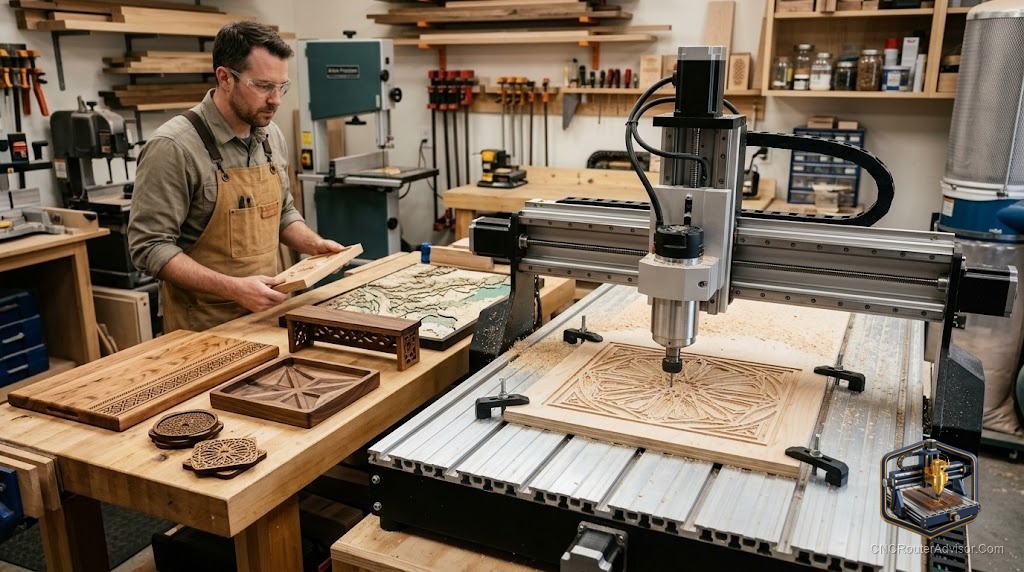
A CNC router is one of the few workshop tools that can pay for itself, and then some, because it turns inexpensive raw materials into products people happily buy. The key is knowing which projects actually sell, what materials and tools they need, and how to price and market them so the numbers work. Whether you want a side income or a full business, this guide covers proven CNC router projects that sell, the materials and bits behind them, and a realistic path to turning your machine into a moneymaker.
CNC router projects that sell are products you can make on a CNC router and sell profitably, typically low material cost, high perceived value, and personalizable, such as custom signs, engraved cutting boards, home decor, and small furniture. The best sellers combine cheap raw materials, strong demand (often driven by personalization and gifting), and efficient production once dialed in.
The short answer on profitable CNC projects: focus on products with cheap materials and high perceived value, especially personalized items, custom signs, engraved boards, ornaments, and decor. These sell well on Etsy, at markets, and locally because personalization commands premium prices and repeat gifting demand, while material costs stay low. Start with one or two products, dial them in, then scale.
Proven CNC router projects that sell
1. Custom wooden signs. The classic bestseller, family names, address signs, business signs, wedding and event signage, quotes. Cheap material (pine, plywood, hardwood), high perceived value, endlessly personalizable. V-carved lettering looks premium.
2. Engraved cutting boards and charcuterie boards. Hardwood boards (maple, walnut) engraved with names, monograms, or designs. Popular gifts and wedding favors with strong margins.
3. Home decor. Wall art, mandalas, layered/3D art, shelf brackets, coasters, trivets, and decorative panels. Trend-driven and personalizable.
4. Ornaments and seasonal items. Christmas ornaments, holiday decor, and seasonal signs, high-volume, low-material-cost gifting items with sharp seasonal demand.
5. Personalized gifts. Name puzzles, keychains, desk name plates, photo engravings, and wedding/anniversary keepsakes. Personalization drives premium pricing.
6. Small furniture and functional items. Stools, small tables, organizers, wine racks, and joinery-based flat-pack items for higher price points.
7. Games and toys. Wooden puzzles, board games, cornhole boards, and educational toys.
8. Business and retail products. Custom retail displays, awards and plaques, and branded items for other businesses (B2B often means larger, repeat orders).
Materials and tools behind sellers
- Materials: plywood (Baltic birch prized for clean edges), pine, hardwoods (maple, walnut, oak), MDF (for painted work), and acrylic for accents. Most are inexpensive relative to the finished product’s value.
- Bits: V-bits (60/90 degrees) for lettering and decorative carving, downcut/upcut end mills (1/8”, 1/4”) for cutouts and pockets, and ball-nose bits for 3D relief. A small starter set covers most sign and decor work.
- Finishing: sanding, paint fills, stains, and sealers, finishing quality strongly affects perceived value and price.
- Software: VCarve/Carbide Create for signs and V-carving; a design library or your own artwork.
Why these projects sell (and are profitable)
- Low material cost, high perceived value: a $5 board of pine becomes a $40 to $80 custom sign.
- Personalization commands premiums: custom items sell for far more than generic ones and face less price competition.
- Gifting and seasonal demand: weddings, holidays, and events drive steady, repeat demand.
- Efficient repeat production: once a design and toolpath are dialed in, you reproduce it quickly.
How to start selling
- Pick one or two products you can make well and repeatedly, don’t scatter.
- Dial in the process: perfect the design, toolpaths, and finishing so quality is consistent.
- Price for profit: account for material, machine time, finishing, and your labor, then add margin. Personalized items support premium pricing.
- Sell where buyers are: Etsy (personalization sells well), local markets and craft fairs, social media, and local businesses (B2B).
- Photograph well: good photos of personalized examples drive sales.
- Scale gradually: add products, batch production, and consider a laser attachment for engraving to widen your range.
The verdict
CNC router projects that sell share a formula: cheap raw materials, high perceived value, and personalization, custom signs, engraved boards, home decor, ornaments, and personalized gifts lead the way because personalization commands premium prices and gifting drives repeat demand. Start with one or two products, dial in the design, toolpaths, and finishing until quality is consistent, price to cover materials, machine time, finishing, and labor with real margin, and sell where buyers already look (Etsy, markets, local businesses). Do that, and a CNC router genuinely can pay for itself and become a profitable side income or business.
Three takeaways: the best-selling CNC projects combine cheap materials, high perceived value, and personalization, custom signs, engraved boards, decor, ornaments, and personalized gifts; profit comes from turning inexpensive stock into premium personalized products with efficient repeat production; and start focused (one or two products), dial in quality and pricing, and sell where buyers already shop.
FAQ
What CNC router projects sell best? Custom wooden signs, engraved cutting boards, home decor (wall art, coasters), ornaments and seasonal items, and personalized gifts (name puzzles, keychains, plaques). Personalization and gifting drive strong, repeat demand and premium pricing.
Can a CNC router really make money? Yes. Its economics are favorable: inexpensive materials become high-value personalized products, and once designs and toolpaths are dialed in, you reproduce them efficiently. Many makers run profitable side incomes or full businesses this way.
What materials are best for sellable CNC projects? Plywood (Baltic birch for clean edges), pine, hardwoods (maple, walnut, oak), MDF for painted work, and acrylic accents. Most are cheap relative to the finished product’s value, which is the key to good margins.
What bits do I need for sellable projects? V-bits (60/90 degrees) for lettering and decorative carving, downcut/upcut end mills (1/8”, 1/4”) for cutouts and pockets, and ball-nose bits for 3D relief. A small starter set covers most sign and decor work.
Where can I sell CNC router products? Etsy (personalization sells especially well), local craft fairs and markets, social media, and local businesses for B2B orders (displays, awards, branded items). Good photos of personalized examples strongly boost sales.
How do I price CNC projects for profit? Account for material cost, machine time, finishing, and your labor, then add margin. Personalized items support premium pricing and face less direct price competition than generic products.
Do I need a laser to make sellable products? No, but a laser attachment widens your range (photo engraving, fine detail on wood, leather, acrylic) and complements routing. Many sellers start with routing alone and add a laser later to expand their catalog.
References
- 731 Woodworks, CNC Projects That Sell (real-world seller experience): https://www.731woodworks.com/731-blog
- Etsy, CNC and Personalized Wood Products (market demand): https://www.etsy.com/market/cnc_wood
- Vectric, VCarve for Signs and Personalized Work: https://www.vectric.com/
- CNCRouterInfo, Materials and Bits for CNC Projects: https://cncrouterinfo.com/
- Carbide 3D, Project Tutorials (signs, decor, engraving): https://carbide3d.com/tutorials/