
Used Wood CNC Router: What to Look For and How to Buy Smart
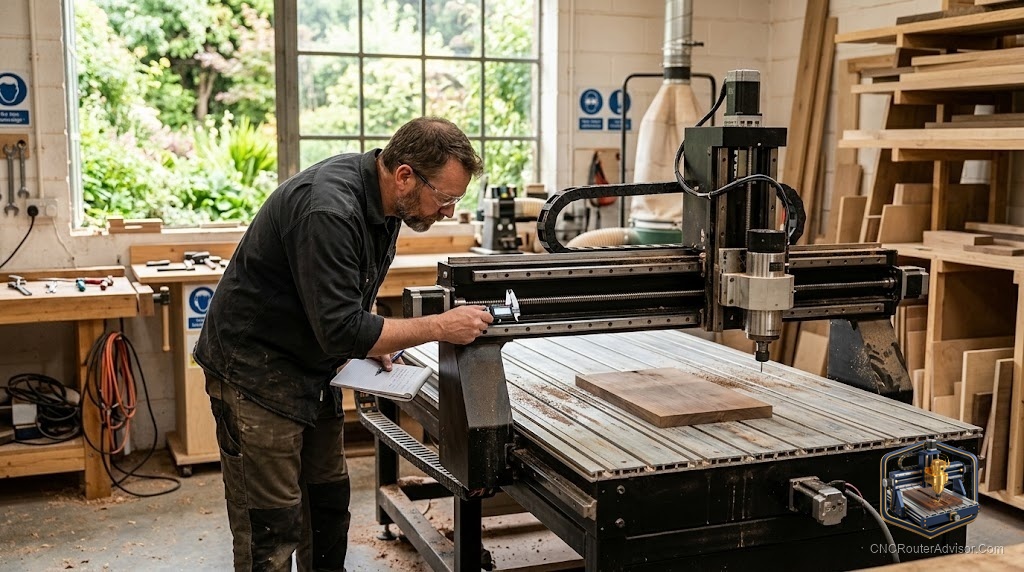
Buying a used wood CNC router can get you a capable, production-proven machine for a fraction of new cost. Shops upgrade constantly, and their trade-ins and liquidations feed a steady market of machines that still have years of useful life. The challenge is identifying which machines are worth buying and which are one spindle failure away from costing you more in repairs than the entire purchase. A methodical inspection before you commit solves that problem.
A used wood CNC router is a previously owned CNC routing machine designed primarily for wood, plywood, MDF, and similar materials, being sold secondhand. Brands commonly found on the used market include ShopBot, Laguna, Avid, Next Wave Shark, ShopSabre, Axiom, and entry-level import machines. Condition ranges from essentially new machines a shop is upgrading out of, to high-hour production machines that have been run hard for a decade.
The short answer on what matters most: spindle condition, drive system wear, and controller compatibility are the three things that determine whether a used wood CNC router is a deal or a liability. Everything else is cosmetic or inexpensive to address. Focus your inspection and your negotiation there.
What makes a wood CNC router different from a metal machine
Wood CNC routers are typically lighter in construction than machining centers designed for metals, which means they wear differently. The key wear points for wood routing machines are:
- Spindle bearings and brushes. Wood routers run at high RPM (often 18,000 to 24,000) continuously. Bearing wear shows up as noise, vibration, or runout. Brush wear (on brushed-motor spindles) is a consumable maintenance item but high-hour machines may need brushes immediately.
- Linear guides and rail surfaces. Wood dust and chips are abrasive, and machines that were not well-maintained (poor dust collection, no periodic lubrication) show rail wear. Check for smooth, consistent motion with no grabbing or rough spots.
- Spoilboard and table surface. The MDF or phenolic spoilboard is expected to be consumed; a damaged table surface under the spoilboard is the problem to look for.
- Vacuum pump condition (if equipped). Vacuum pumps on wood CNC routers work hard and wear. Ask the age of the pump, listen for unusual noise, and confirm it pulls adequate vacuum.
The inspection checklist for used wood CNC routers
Run through this before agreeing to a price:
Frame and gantry
- No visible cracks, broken welds, or bent gantry sections.
- All axis covers and bellows present and intact.
Linear guides and ball screws
- Move all axes by hand (machine off) and feel for smooth, even resistance.
- Power the machine and jog all axes end-to-end, listening for noise and watching for hesitation.
- Test backlash: push and pull each axis gently while jogging near the end of travel.
Spindle
- Run it at operating speed and listen. Quiet is good. Grinding, chattering, or rumbling is not.
- Check runout with a dial indicator if possible.
- Ask for or read the spindle hour count from the controller if the machine logs it.
Controller and software
- Power the controller. Confirm it boots cleanly without error codes.
- Confirm the control software version and whether a license transfer is included.
- Verify compatibility with your CAM software (Vectric, Fusion, etc.).
Vacuum system (if equipped)
- Run the vacuum pump and verify it holds adequate hold-down on the spoilboard.
- Listen for knocking, rattling, or labored running.
Test cut This is the step that matters most. Run a simple two-tool program (drill holes and profile cut) in scrap MDF and measure the result. Holes should be on location; the profile should match the file. Any significant dimensional error means deeper investigation before buying.
Realistic price expectations for used wood CNC routers
Used wood CNC router pricing spans a wide range depending on brand, size, age, and condition. A well-maintained prosumer machine a few years old from a reputable brand typically sells for 40 to 60 percent of its new price. A high-hour industrial machine may sell for far less but carries higher repair risk. An entry-level import machine a few years old may have limited spare parts availability, which reduces its value beyond what the price suggests.
The verdict
A used wood CNC router is a smart purchase when you inspect it carefully and factor in realistic repair costs. Prioritize spindle condition, rail smoothness, and controller health above everything else. Buy from a dealer when you want accountability; buy direct when you can inspect thoroughly and run a test cut. The machines to avoid are those with high spindle hours, observable vibration, or controllers running unsupported obsolete software.
Three takeaways: spindle condition and hours are the most expensive repair risk on a used wood CNC; always run a test cut in material before buying; and controller software compatibility with your CAM workflow matters as much as the mechanical condition.
FAQ
What brands are commonly available on the used wood CNC router market? ShopBot, Laguna, Avid, Next Wave Shark, ShopSabre, Axiom, and various import brands (YIHAI, Bcam, StyleCNC) appear regularly. ShopBot and Laguna have particularly strong resale markets.
What is the most important thing to check on a used wood CNC router? Spindle condition. High hours, vibration, noise, or measurable runout mean a rebuild is coming, which can cost thousands.
Can I use a used wood CNC router’s software on a new computer? Sometimes. Ask whether the software license is transferable and what the current version is. Obsolete controllers may only run on old operating systems, which limits your setup options.
What is a fair price for a used wood CNC router? Typically 40 to 60 percent of new price for a well-maintained machine from a reputable brand, adjusted for condition, age, spindle hours, and included accessories.
Do used wood CNC routers come with tooling and accessories? Sometimes, but confirm what is included. Bits, collets, dust collection fittings, spare spoilboard material, and software licenses have real value and should factor into your comparison.
How do I check ball screw backlash on a used CNC router? Jog the axis to mid-travel, then push and pull the axis gently in each direction while watching for movement before the motor engages. More than a few thousandths of an inch of play is worth noting and negotiating on.
Is it better to buy a used wood CNC router from a dealer or a private seller? Dealers offer more accountability and often perform basic inspections; private sellers can offer better value but require more thorough due diligence. Either way, inspecting the machine in person and running a test cut is non-negotiable.
References
- Meadoworks, Used CNC Machine Inspection Checklist (spindle hours, ball screw backlash): https://www.meadoworks.com/resources/cnc-machine-inspection-checklist
- IBID Machinery, Used CNC Router Buying Guide (frame, electrical, software): https://www.ibidmachinery.com/pages/used-cnc-router-buying-guide
- YIHAI CNC, Pre-Owned CNC Machine Inspection Checklist: https://yhcncrouter.com/used-cnc-router-buying-guide-pre-owned-cnc-machine-inspection-checklist/
- Practical Machinist Forum, Buying Used CNC Equipment - What Do You Look For?: https://www.practicalmachinist.com/forum/threads/buying-used-cnc-equipment-what-do-you-look-for.297178/
- CNC Parts Dept., CNC Router Purchase Checklist: https://www.cncpd.com/how-to-buy-a-cnc-router/