
Best CNC Wood Router: Features to Compare Before You Buy
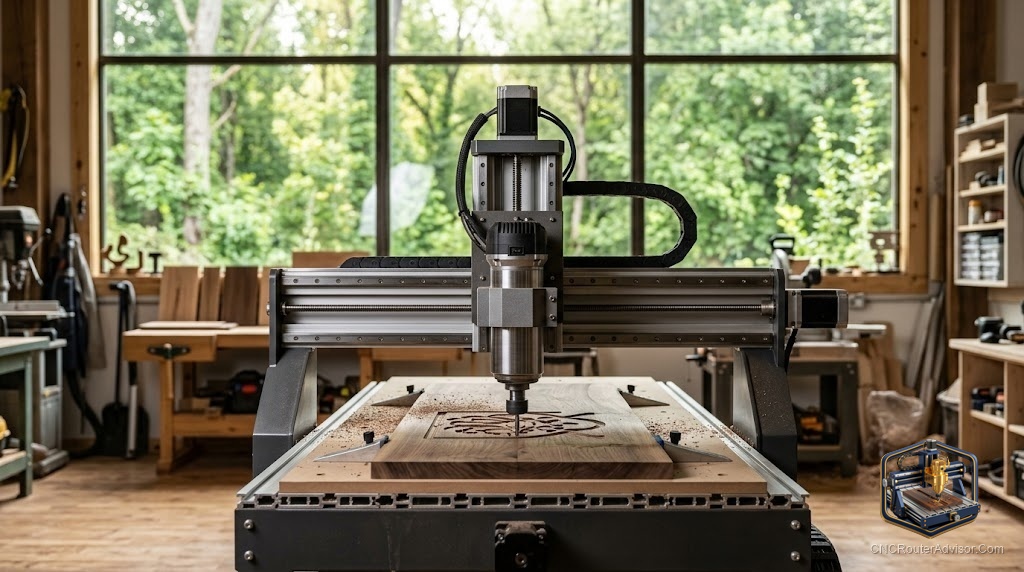
Every few weeks someone posts the same question in a woodworking group: what is the best CNC wood router? And every time, the useful answers all start the same way, with a question back. What do you want to make, how big, and what is your budget? Because the best CNC wood router is not a single machine, it is the one whose strengths line up with your work. This guide gives you the tiers and the comparison points to find yours.
Rather than crown one winner, this guide breaks the market into tiers by budget and capability, then lays out the features that separate good machines from disappointing ones. Find your tier, compare on the points that matter, and the right machine emerges.
Short answer: the best CNC wood router for you depends on your tier. Desktop machines win for small projects and learning, mid-size 2 by 4 machines win for signs and cabinet parts, and full-sheet machines win for production. Within your tier, compare rigidity, spindle, dust collection, and software, and pick the machine that is strongest across all of them rather than cheapest on one.
Find your tier first
Entry tier: desktop machines
Small-footprint machines for learning, small parts, engraving, and light carving. They are affordable and fit anywhere, but their small beds and often modest spindles limit bigger work. Choose this tier if you are starting out or only make small pieces.
Mid tier: 2 by 4 foot machines
The practical sweet spot for most serious hobbyists and small shops. A 24 by 48 inch bed handles half sheets, signs, cabinet doors, and furniture parts while still fitting a home shop. Choose this tier if you have outgrown a desktop machine and want real capability without an industrial footprint.
Production tier: full-sheet machines
Large-format 4 by 8 machines with powerful spindles and fast drives for cabinet shops and production. They need space, often 220V power, and a bigger budget. Choose this tier only if you process full sheets regularly.
Compare within your tier
Once you know your tier, weigh machines on the same woodworking-specific points.
Rigidity. A stiff frame with linear rails and a solid drive gives clean cuts and handles hours of carving. Ball screws and lead screws favor precision; rack and pinion favors speed on big machines. The more rigid machine in a tier is usually the better buy.
Spindle. A VFD spindle beats a trim router for long carving sessions, running quieter and lasting longer. In higher tiers a strong spindle is essential; even in the entry tier it is a worthwhile upgrade.
Dust collection. Wood dust is relentless. A good dust shoe and strong extraction keep the shop clean, the cuts clear, and your lungs safe. Do not treat it as optional.
Software. Woodworking rewards CAM that handles V-carving, relief, joinery, and nesting, such as Vectric VCarve or Aspire. Confirm the machine pairs with software that fits your work.
Support and community. A large user base and responsive support mean faster answers and fewer dead ends, especially valuable as you push into more ambitious projects.
Comparison at a glance
| Tier | Best for | Watch out for |
|---|---|---|
| Desktop | Learning, small parts | Small bed, modest spindle |
| 2 by 4 | Signs, cabinet parts | Needs good workholding |
| Full sheet | Production, cabinets | Space, power, budget |
How to make the call
Pick your tier by the largest work you realistically do, then within that tier choose the machine that is strongest across rigidity, spindle, dust collection, and software, backed by good support. That machine, not the cheapest or the one with the biggest single number, is the best CNC wood router for you.
The bottom line
The best CNC wood router is a match to your tier and your work. Size the machine to the largest pieces you make, then compare rigidity, spindle, dust collection, and software within that tier, and weigh support. A desktop machine can be the best choice for one woodworker and the wrong one for another. Buy the machine whose strengths fit your projects, and it will serve you for years.
FAQ
What is the best CNC wood router? There is no single best. It depends on your tier, desktop, 2 by 4, or full sheet, and how machines compare on rigidity, spindle, dust, and software within it.
What size CNC router is best for woodworking? A 2 by 4 foot machine is the practical sweet spot for most hobbyists and small shops. Go smaller for small parts, larger for full-sheet production.
Do I need a spindle for wood? For long carving sessions, a VFD spindle is well worth it. It runs quieter and lasts longer than a trim router.
How much does dust collection matter? A great deal. Wood produces heavy dust, so a good dust shoe and extraction keep cuts clean and protect your health.
What software should I use? Woodworkers favor Vectric VCarve and Aspire for carving, joinery, and nesting. Confirm your machine pairs with capable CAM.
Is a desktop machine good enough for woodworking? For small parts, engraving, and learning, yes. For signs, cabinets, and larger carving, step up to a 2 by 4 or full-sheet machine.
What about support and community? A large user base and responsive support keep you unstuck, which matters more as your projects grow in ambition.
References
- CNCRouterInfo, how to choose a CNC router: https://cncrouterinfo.com/guides/how-to-choose-a-cnc-router/
- BubbleRelief, CNC router projects for beginners: https://bubblerelief.com/cnc-router-projects-for-beginners/