
Wood CNC Router Near Me: How to Find Local Dealers, Demos, and Sample Cuts
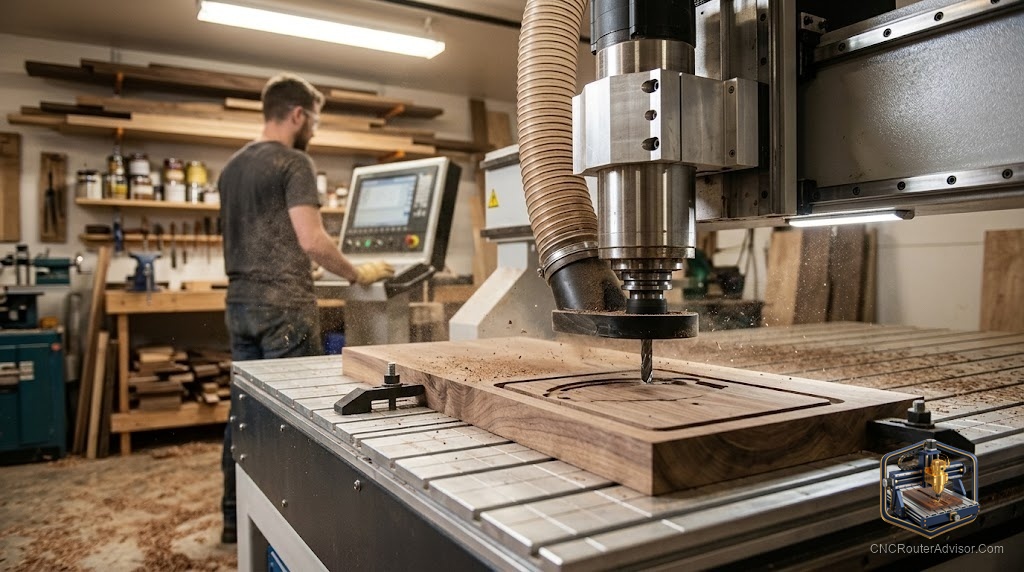
Searching for a wood CNC router near you is a specific kind of search. You are not just looking for a local shop or a CNC service. You are looking for a place where you can see machines cut your actual wood, where a knowledgeable person can show you how a particular platform handles oak or walnut or sheet plywood, and where you can understand from a real demonstration whether the machine does the wood work you have in mind. That kind of search is harder than finding a product listing, but it is also more useful, and the local dealers, showrooms, and maker communities that can provide it exist in more places than you might expect.
This guide is for the wood worker searching for a local CNC router experience before buying: where to look, what to ask for, and how to get the most from a demonstration.
Why in-person matters for a wood machine decision
A wood CNC router purchase involves decisions that a listing cannot settle. How does the machine sound in hardwood at production feed rates? Does the spindle cut cleanly in your wood species without burning? How does the vacuum hold-down handle a full sheet of plywood? What does the surface finish look like in solid oak before and after a finishing pass? How long does loading a sheet and setting up a job actually take?
These questions have answers that come from watching and hearing a machine work in the material, not from reading specs. A local dealer or maker community that can cut a sample in your wood tells you things about the machine that no amount of online research replaces.
Where to find local wood CNC dealers and demos
For prosumer and production-tier machines, Laguna Tools, ShopBot, and Avid CNC all have dealer networks or regional representatives who can arrange demonstrations. The manufacturers’ websites have dealer locators or regional contact information. Call rather than emailing for the fastest response, and specifically ask whether they can cut a demonstration in the wood species you primarily work with.
Woodworking tool dealers and specialty woodworking stores in your region sometimes carry CNC routers or have a relationship with a nearby CNC dealer. These are worth calling. Trade shows focused on woodworking and cabinet making, such as AWFS and IWF, feature live CNC demonstrations from multiple manufacturers in the same space.
Local woodworking clubs and guild chapters are community resources for word of mouth. Someone in the chapter already owns the machine you are considering, has strong opinions about it, and is usually willing to talk. These conversations tell you about the real ownership experience rather than the sales story.
Makerspaces and fab labs with CNC routers give you hands-on access to machines and to a community of users who cut wood on them regularly. Even if the makerspace machine is not the model you plan to buy, the experience of running real wood jobs on a real CNC router informs your buying decision.
What to ask for in a demo
Ask specifically for a cut in the wood species you work with most. If you cut oak, ask for oak. If you primarily cut plywood for cabinet panels, ask for a cabinet panel profile in standard sheet goods. The machine’s behavior in your specific wood is more relevant than its behavior in a softer demonstration material.
Ask about the full workflow: loading the sheet, setting origin, running the job, and unloading the parts. Watch the vacuum hold-down in action on a full sheet. Ask the technician to show you a finishing pass and the resulting surface quality. Ask about tooling change if ATC is on the machine.
Ask about common maintenance tasks: spoilboard surfacing, rail cleaning, spindle lubrication, and any wood-specific maintenance the shop recommends for keeping the machine in production condition.
What sample cut information tells you
A sample cut in your wood tells you surface finish quality, spindle behavior under load, feed rate in that material, and whether the machine cuts cleanly without burning or tearout. Take the sample piece home and run it through your finishing process: does it sand and finish as you expect? Does the edge require more cleanup than you want?
This tactile, real-material information is the most useful buying input for a wood worker who cares about finish quality, and it is only available from a local demo.
Who should skip the local demo search
Skip it if you are buying a compact entry-tier machine for hobbyist use. The demonstration infrastructure around mid-size hobby machines is limited, and the price point makes the purchase accessible enough that buying on community reviews and returning if necessary is a reasonable path. The local demo search pays off most for machines at the prosumer and production tier where the commitment is larger and the material-specific performance matters most.
Comparison: local demo sources by machine tier
| Source | Best for | What you get |
| Manufacturer dealer | Prosumer to production machines | Current models, cut in your material |
| Trade shows (AWFS, IWF) | Comparing multiple brands | Live demos, side-by-side comparison |
| Woodworking clubs | Owner experience and real-world use | Honest ownership story, not sales |
| Makerspaces | Hands-on experience | Run real wood jobs before committing |
For a highly accessible entry machine you can evaluate primarily through community reviews: the Genmitsu 3020 PRO MAX at this listing and the Genmitsu PROVerXL 4030 at this listing. For prosumer and above: contact dealers through lagunatools.com/cnc/, shopbottools.com, and avidcnc.com for local demonstration arrangements.
The verdict
Finding a wood CNC router near you for a demonstration takes more effort than a web search, but the return is real. Watching a machine cut your wood species, handling a sample cut, and asking questions of someone who runs the machine daily gives you buying information no listing provides. Use dealer locators, call woodworking clubs, attend trade shows if the timing works, and visit makerspaces for hands-on time. The machine you commit to for wood production deserves a real evaluation in real wood before you sign.
Frequently asked questions
How do I find a wood CNC router dealer near me? Use manufacturer dealer locators for brands like Laguna, ShopBot, and Avid. Call local woodworking tool dealers. Ask at local woodworking clubs and guilds. Search local makerspaces for CNC access.
Can I request a demo cut in my specific wood species? Yes, and you should. A good dealer will cut a demonstration in oak, walnut, plywood, or whatever you primarily work with. If they will not, find a dealer who will.
What should I bring to a CNC router demo? A piece of the wood you primarily work with if possible, your most common job dimensions, and a list of your typical operations: through cuts, pockets, profiles, engraving. Seeing the machine do your actual work is more useful than watching a generic demonstration.
Are trade shows a good way to see wood CNC routers? Yes. AWFS (held in Las Vegas) and IWF (Atlanta) are the two major North American woodworking and cabinet industry shows with live CNC demonstrations. Multiple manufacturers show in one space, which allows real comparison.
Can a makerspace help me decide which wood CNC router to buy? Yes, indirectly. Running real wood jobs on a makerspace machine teaches you the workflow, the tooling, and the workholding, all of which inform your buying decision regardless of brand. The members who use the machine regularly also share honest experience.
What does a sample cut tell me about a CNC router? Surface finish quality in your material, spindle behavior under load, edge quality before and after a finishing pass, and whether the machine cuts cleanly without burning. It is the most useful single piece of buying information.
References
- Laguna Tools, CNC machines: https://lagunatools.com/cnc/
- ShopBot Tools: https://www.shopbottools.com
- CNC Router Info, How to Choose a CNC Router: https://cncrouterinfo.com/guides/how-to-choose-a-cnc-router/