
Used CNC Router Woodworking Buying Guide: Inspection Checklist and Hidden Costs
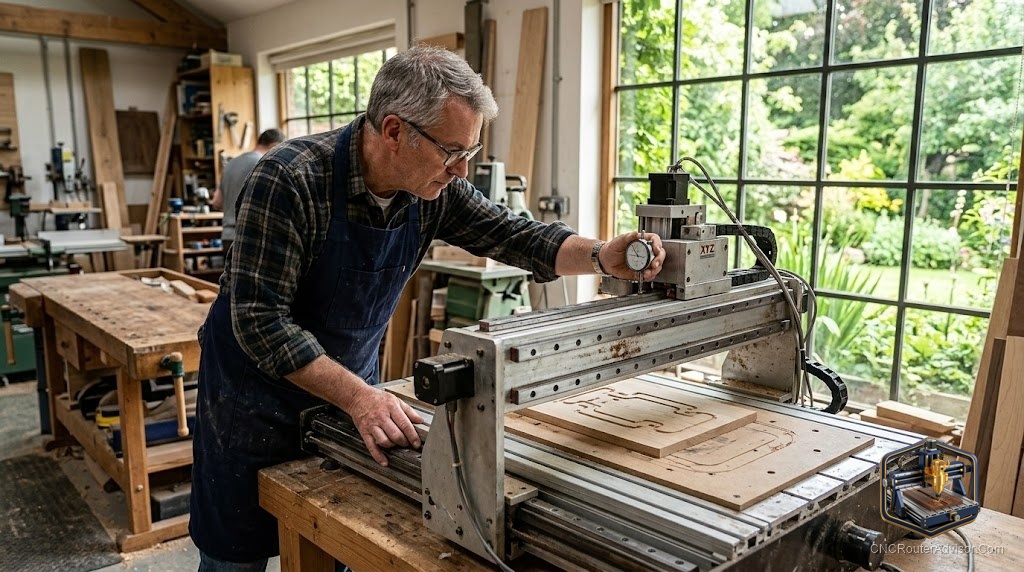
Woodworkers are often the smartest used CNC router buyers, because they already understand tools, wear, and what a well kept machine looks like. If you build with wood and want to add CNC capability without paying full price, a used machine can be a genuine shortcut, as long as you bring that same critical eye to the purchase. The trap is assuming a woodworking router is simpler than it is. Under the familiar job of cutting plywood and hardwood sits a motion system, a spindle, and electronics that all wear, and a listing photo hides every one of those.
This guide is the used buying checklist through a woodworker’s lens: what to inspect, the hidden costs, and when used beats new for a wood shop.
What used means for a woodworking machine
A used woodworking CNC router is a machine set up to cut wood, plywood, MDF, and hardwoods like oak, maple, and walnut, that has already lived a life you did not witness. Wood is comparatively kind to a machine, which is good news: a router that cut mostly wood has usually had an easier life than one that hammered aluminum. But wood also means dust, and dust is hard on rails, bearings, and electronics if the previous owner neglected cleaning and collection.
So you are inspecting the same core parts, frame rigidity, the motion system with ball screws or lead screws on linear rails, and the spindle, but paying special attention to dust related wear, because a woodworking machine’s history is written in how well it was kept clean.
The short answer
Inspect a used woodworking router running if you can: check the frame for square and rigidity, feel each axis for smooth, play free motion, examine the ball screws and linear rails for dust packed wear and rust, and listen to the spindle for bearing noise. Judge how clean the machine was kept, because dust neglect predicts hidden wear. Then total the hidden costs: a replacement spindle, worn rails, dull bits, dust collection, and moving a heavy machine. Wood is easy on machines, so a well kept woodworking router is often a great used buy, but a dust choked, neglected one can cost more than new once you refurbish it.
The woodworker’s inspection checklist
Begin with the frame, checking it is square and rigid with no crash damage or cracks. A wood machine that stayed square is a good sign of careful ownership.
Work each axis by hand and under power if possible. Motion should be smooth and free of play, binding, or grinding. Backlash suggests worn ball screws, nuts, or bearings.
Look hard at the rails and ball screws for packed sawdust, rust, and wear. This is the woodworking specific check: dust that was never cleaned grinds into linear rails and shortens their life. Clean rails on a used wood machine tell you the owner cared.
Check the spindle for bearing rumble and shaft play, since dust ingress is a common spindle killer on neglected wood machines. Finally, confirm the controller and software run and are supported, and test a cut in wood if you can to see real finish quality.
Hidden costs for a wood shop
Budget beyond the asking price. Bits wear, and a used machine rarely comes with sharp ones. A tired spindle from dust ingress is a real replacement cost. Rails and ball screws packed with old sawdust may need cleaning at best or replacing at worst. Dust collection is essential for a wood machine, so if it does not come with a dust shoe and collection, add that. And moving a heavy machine into your shop costs money and effort. A well kept machine with clean rails and a healthy spindle may be worth a premium over a cheaper, neglected one that needs all of the above.
Where used makes sense for woodworkers
Used buying suits woodworkers well because you likely have the tool sense to assess wear and the shop to service minor issues. A gently used machine from a hobbyist who upgraded, or a shop clearing space, can be an excellent deal. It also makes sense if you want more work area or rigidity than a new machine at the same outlay, since wood cutting is forgiving enough that a sound older machine keeps performing. Your existing woodworking skills lower the risk that scares off other used buyers.
Who should skip used
Skip a used woodworking machine if you cannot see it run or inspect the rails and spindle in person, because dust related wear hides in exactly the places photos never show. Skip it if you are brand new to both woodworking and CNC, since assessing a machine’s condition takes experience, and a new machine with support removes that risk. And skip any machine that was clearly run without dust collection and never cleaned, because the accumulated wear on rails, bearings, and spindle can turn a bargain into a rebuild.
Comparison: used woodworking router condition signs
| Area | Good sign | Warning sign |
| Rails and screws | Clean, smooth, lightly oiled | Packed sawdust, rust, play |
| Spindle | Quiet, no shaft play | Bearing rumble, wobble |
| Frame | Square, no damage | Cracks, crash marks |
| Electronics | Powers up, runs, supported | Obsolete or dead controller |
| Dust collection | Included and used | None, machine full of dust |
If a used machine raises too many red flags, a new, well supported woodworking router removes the risk. A larger rigid new platform is the Genmitsu PROVerXL 4030 at this listing, and a compact new machine is the Genmitsu 3020 PRO MAX at this listing.
The verdict
Woodworkers are well placed to win at used CNC buying, because the tool sense you already have is exactly what a good used inspection needs. Wood is kind to machines, so a well kept woodworking router with clean rails, a healthy spindle, and a square frame is often a smart, budget stretching buy. The catch is dust: a machine run without collection and never cleaned hides its wear in the rails and spindle, and refurbishing it can erase the savings. Inspect it running, judge how clean it was kept, total the real costs, and buy the machine that was cared for. If you cannot inspect it, or you are new to all of it, new and supported is the safer path.
Frequently asked questions
Is a used woodworking CNC router a good buy? Often yes, because wood is easy on machines. A well maintained router with clean rails and a healthy spindle can be a great deal. A dust neglected machine, though, can cost more than new once you refurbish it.
What is the most important thing to check on a used wood machine? The rails, ball screws, and spindle for dust related wear. A woodworking machine’s history shows in how clean it was kept, since neglected dust grinds into rails and bearings and shortens their life.
Does cutting wood damage a CNC router over time? Wood cutting itself is relatively gentle, but the dust it produces is hard on rails, bearings, and electronics if not managed. A machine run with good dust collection and regular cleaning ages far better.
What hidden costs come with a used wood machine? Sharp bits, a possible spindle replacement, cleaning or replacing dust packed rails, dust collection if not included, and moving a heavy machine. Add these to the price to find the true cost.
Should a beginner woodworker buy used? If you have tool sense and can inspect or bring someone who can, used can work well. Complete beginners to both wood and CNC are usually better served by a new machine with support and a warranty.
How can I tell if a used machine was well maintained? Clean, lightly oiled rails, a quiet spindle with no play, a square undamaged frame, working supported electronics, and included dust collection all signal a careful owner. Packed sawdust and rust signal the opposite.
References
- CNC Router Info, How to Choose a CNC Router: https://cncrouterinfo.com/guides/how-to-choose-a-cnc-router/
- Bubble Relief, CNC Router Projects for Beginners: https://bubblerelief.com/cnc-router-projects-for-beginners/