CNC Wood Routing Services: When to Hire and How to Get Clean Parts
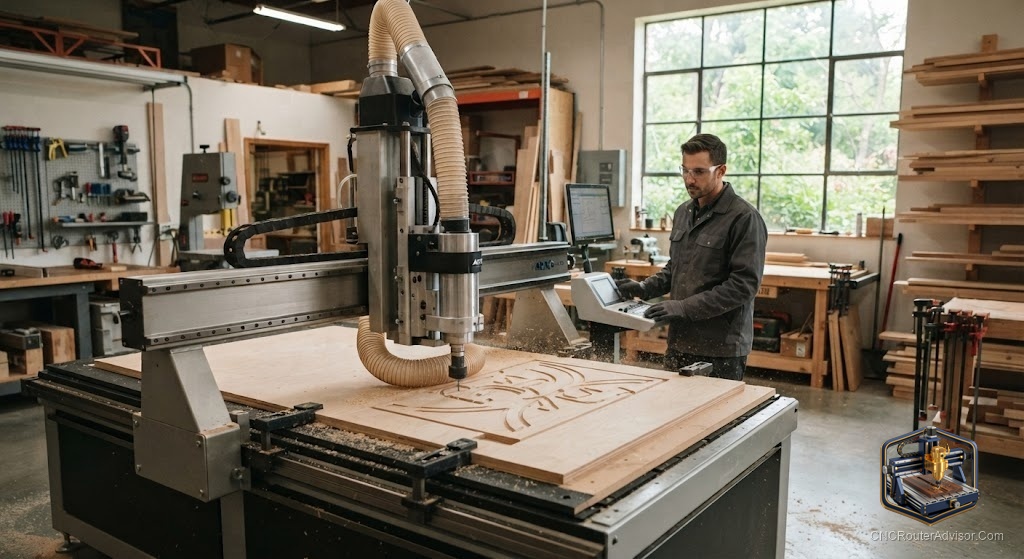
Wood is the material most people picture when they think of a CNC router, and it is also the material where a good routing service earns its fee most convincingly. Clean plywood edges, tight joinery, and crisp carving in hardwood take experience that a first-time machine owner simply has not built yet. Sometimes the fastest route to beautiful wooden parts is to let someone who already cuts them every day do the cutting.
This guide explains what CNC wood routing services offer, which woods and sheet goods behave how, and how to hand off a job so the parts come back looking exactly as you imagined.
What CNC wood routing services do
A CNC wood routing service is a shop that specializes in cutting wood and wood-based sheet goods on a CNC router. A CNC router is a Computer Numerical Control machine that moves a spinning cutter across the X, Y, and Z axes, following G-code, to carve material precisely and repeatably. When the material is wood, the shop’s knowledge of species, grain, and the right bit for each becomes the real value you are buying.
Wood is not one material but many. Plywood, MDF, hardwood, and softwood all cut differently, and a shop that works wood daily knows how to avoid the tear-out, burning, and fuzzy edges that frustrate beginners. Hiring a wood routing service gives you not just a machine but that hard-won material knowledge, which is exactly what turns a rough part into a clean one.
The short answer
Hire a CNC wood routing service when you need clean parts in plywood, MDF, or hardwood and you lack the machine, the tooling, or the experience to get a professional finish. Provide a clean design, name your wood precisely, and agree on tolerance and finish up front. The shop’s material knowledge is the difference between crisp edges and disappointing ones.
If you expect to cut wood regularly, though, owning a machine soon costs less than repeated jobs, and a rigid desktop router such as the Genmitsu 4040-PRO MAX handles plywood and hardwood parts well: Check on Amazon . Hire out the big or occasional jobs, and keep the routine ones in your own shop once volume justifies a machine.
Knowing your wood before you order
The more precisely you specify your material, the better your parts and quote. Each common material has its own character.
Plywood is strong and stable but its layers can chip on the top or bottom edge unless cut with the right bit. A compression bit gives clean edges on both faces, which matters for visible parts.
MDF cuts smoothly and carves crisp detail, but it produces enormous fine dust and its edges are soft. It is excellent for painted parts and templates.
Hardwood such as oak, maple, and walnut cuts beautifully but demands correct feeds and speeds to avoid burning, and grain direction affects tear-out.
Softwood like pine is easy to cut but can fuzz and dent, so it rewards sharp tooling and a light finishing pass.
Telling the shop exactly which of these you want, and how the part will be used, lets them choose the right bit and strategy from the start.
How a good wood shop protects your finish
| Concern | How a skilled shop handles it |
| Chipped plywood edges | Compression bits for clean top and bottom faces |
| Burning in hardwood | Correct feeds and speeds, sharp tooling |
| Tear-out along grain | Cut direction chosen for the grain |
| Fuzzy softwood edges | Sharp bits and a light finishing pass |
| Parts shifting mid-cut | Solid workholding for clean dimensions |
These are the details that separate a professional wooden part from a beginner’s. When you vet a shop, ask to see samples in each material you care about, and look closely at edges and any carved detail. A shop proud of its wood work will happily show you.
Preparing your job for the best result
Arrive with a clean design that uses real dimensions and clearly marks pockets, profiles, and engraving. Name your wood and thickness precisely, and describe how the part will be used so the shop can advise on species and finish. Agree on tolerance, the acceptable variation from your design, and on finish, since a routed edge may need light sanding for a visible surface. Ask about turnaround and any minimum order, because a production-focused shop may find a single small part uneconomical. Preparation lowers your quote and raises your quality at the same time.
Keeping your own machine cutting clean wood
If you own a router and your wood parts are coming out rough, the problem is often maintenance rather than skill. Dull bits burn and fuzz, a loose belt causes chatter, and an uneven wasteboard makes cut depth vary across the part. Replace tired bits, check the gantry for play, and resurface the wasteboard when it drifts out of flat. Good dust extraction also improves cut quality, since chips left in the cut can reweld and mar the surface. A clean, tuned machine produces wood parts that rival a service.
Who should skip the service
Skip a wood routing service if you cut wood regularly, since repeated fees soon exceed the cost of a machine and you lose the freedom to iterate. Skip it too if the making itself is what you enjoy, because outsourcing removes the part many woodworkers love most. And if no nearby shop specializes in your material, an online service or your own machine may serve you better than a poor local fit. Reserve the service for large, rare, or finish-critical jobs where a professional edge truly matters.
The verdict
CNC wood routing services are worth hiring when clean plywood, MDF, or hardwood parts matter and you lack the machine or the experience to produce them. Specify your wood precisely, vet the shop by its samples and its material knowledge, and agree on tolerance and finish before cutting. But weigh volume honestly, because regular wood work usually favors owning a machine, and simple maintenance keeps that machine cutting clean. Hire out the jobs that demand a professional touch, and enjoy making the rest yourself.
Wood rewards experience more than almost any material. Buy that experience when you need it, and build it in your own shop the rest of the time.
Frequently asked questions
What woods can a CNC wood routing service cut? Plywood, MDF, hardwoods like oak, maple, and walnut, and softwoods like pine. Each cuts differently, and a good shop chooses the right bit and strategy for each.
How do I get clean edges on plywood parts? Ask the shop to use a compression bit, which cuts cleanly on both the top and bottom faces. Solid workholding and correct feeds also protect the edge.
Why does hardwood burn when routed? Burning comes from incorrect feeds and speeds or dull tooling that lets the bit rub instead of cut. A skilled shop sets feeds correctly and keeps bits sharp.
What should I tell a wood routing shop? Provide a clean design with real dimensions, name your wood species and thickness, describe how the part will be used, and agree on tolerance and finish.
Is it cheaper to hire a service or buy a machine? For occasional or large jobs, a service is cheaper. For regular wood cutting, owning a machine soon costs less and lets you iterate freely.
Why are my own wood cuts rough? Usually dull bits, a loose belt, an uneven wasteboard, or poor dust extraction. Basic maintenance restores clean edges on most machines.
References
- CNCRouterInfo, how to choose a CNC router: https://cncrouterinfo.com/guides/how-to-choose-a-cnc-router/
- CNC Dad, best CNC router for beginners: https://www.cnc-dad.com/blog/best-cnc-router-for-beginners/
- Amana Tool CNC router bits and technical data: https://www.amanatool.com