
Anolex CNC Router Explained: Uses, Setup, and Key Considerations
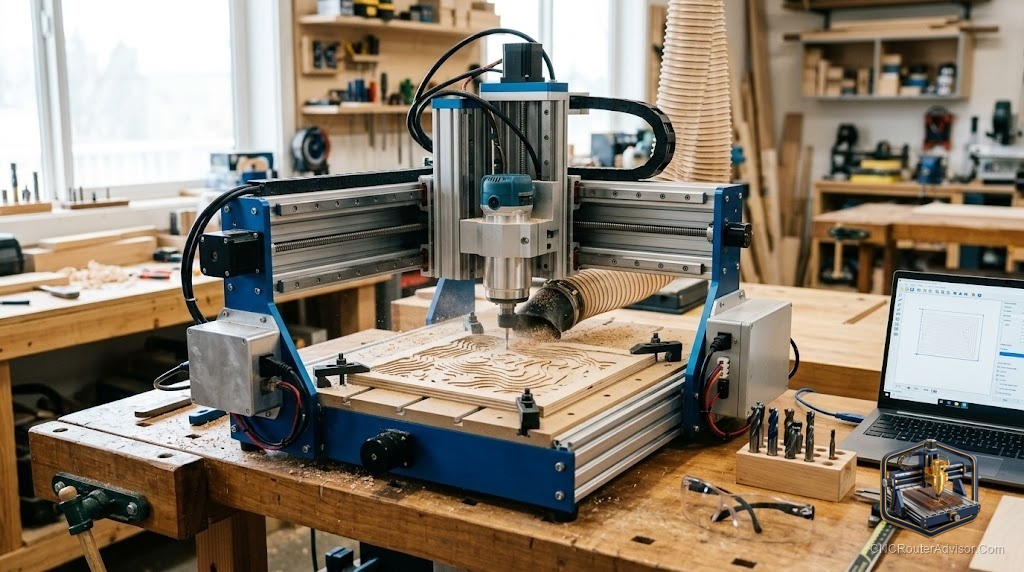
Among the wave of desktop CNC brands, AnoleX stands out for one simple reason: it’s a hobby-friendly machine you can actually buy the normal way, and it’s built with the rigidity to cut metal - not just wood and plastic. If you’ve been looking for a benchtop router that punches above its price on aluminum, AnoleX deserves a real look. Here’s what these machines are, what they do well, and how to set one up for success.
What AnoleX is
AnoleX (styled “AnoleX”) is a maker of all-metal desktop CNC router machines aimed at hobbyists and small makers who want to cut aluminum, wood, acrylic, and other non-ferrous materials. Unlike the industrial brands that ship by freight and sell factory-direct, AnoleX machines are sold through normal retail channels, so you can get one without a dealer consultation. The headline feature is rigidity: dual linear rails and ball screw motion in an all-metal frame, which is exactly what separates a metal-capable machine from a wood-only one.
The lineup includes machines like the AnoleX 3030-Evo Max all-metal CNC router, a compact ball-screw machine built for aluminum and detailed work, and the larger AnoleX 4030-Evo Ultra 2, which extends the work area for bigger parts while keeping the same rigid foundation.
What these machines do well
Because AnoleX prioritizes frame rigidity, it handles a broader range than most desktop machines:
- Aluminum parts - brackets, plates, panels, and enclosures in 6061 and extrusion
- Hardwood and plywood - signs, inlays, and detailed carving
- Acrylic and plastics - clean edges thanks to the stiff, low-backlash motion
- PCBs and engraving - the precision that ball screws and rails provide
The all-metal build and ball-screw drive are what let a machine this size take on aluminum that would leave a lighter belt-driven router chattering.
Setup considerations
Getting the most out of an AnoleX comes down to the same fundamentals that govern any capable router:
- Square and level it. Take time during assembly to get the X axis, Y axis, and Z axis true - rigidity only helps if the geometry is right.
- Match the spindle to the job. Whether it ships with a trim router or a spindle, run appropriate RPM for the material; a tunable VFD spindle is ideal for aluminum.
- Workholding. Use solid clamps or a vise; metal transmits vibration, so immovable workholding prevents chatter.
- Tooling. For aluminum, run a single-flute end mill (O-flute) like the SpeTool O-flute for aluminum; for wood detail, a V-bit and straight bit cover most work.
- Cooling and chips. Add lubricant, a cold air gun, or mist coolant for metal, and keep good chip evacuation to protect both finish and bits.
Who it’s for
AnoleX is a strong pick for the maker who wants one machine to grow into - someone who starts with signs and boxes but wants the option to machine real aluminum without buying a second, heavier machine later. It’s also a sensible stepping stone for anyone who eventually plans to move up to a larger router but wants to master G-code, feeds, and workholding on a capable, rigid platform first.
The bottom line
AnoleX bridges a real gap: a desktop CNC router rigid enough for aluminum, sold through normal retail so you can actually get one. Assemble it square, match your spindle speed and tooling to the material, clamp hard, and cool your metal cuts - and you’ll have a benchtop machine that handles far more than its footprint suggests.
Frequently asked questions
Can AnoleX really cut aluminum? Yes - its all-metal frame, dual linear rails, and ball-screw motion are built for it. Use a single-flute bit, proper feeds, and cooling.
Where can I buy one? Through normal retail channels, unlike industrial brands that require a dealer and freight.
Is it good for beginners? Yes - it’s beginner-friendly but rigid enough that you won’t outgrow it the moment you want to try metal.