
Custom CNC Routing for Insulation Explained: Uses, Setup, and Key Considerations
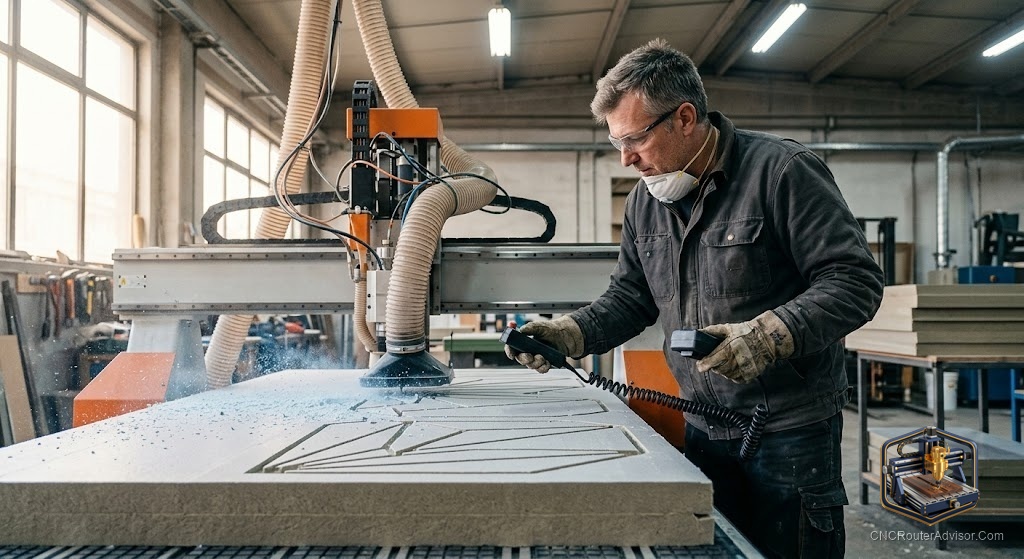
Insulation is not the first material people picture when they think of CNC routing, but it is a natural fit. Rigid foam boards and insulation panels are light, soft, and easy to cut, and many applications need them shaped precisely rather than hacked to fit with a knife. Custom CNC routing for insulation turns rough, approximate work into clean, repeatable parts, which matters in construction, packaging, cold storage, and specialty fabrication. This guide explains how it works and what to keep in mind.
Why insulation suits CNC routing
Rigid insulation foams cut easily, which makes them forgiving to machine. A CNC router can carve pockets, cut precise shapes, and produce identical parts again and again from a digital design. That repeatability is the whole point. Where hand-cutting foam is slow and inconsistent, a router follows the design exactly, so the hundredth part matches the first. For any job that needs shaped or fitted insulation in quantity, that consistency saves enormous time.
Common uses
Custom-routed insulation shows up in more places than people expect:
- Construction, where panels are cut to fit specific spaces and openings.
- Packaging and cases, with foam cut to cradle and protect products or equipment.
- Cold storage and HVAC, where fitted insulation improves sealing and efficiency.
- Prototyping and models, using foam as an easy-to-shape material.
In each case, the value is precise, repeatable shaping that would be tedious by hand.
Setup for cutting insulation
Cutting foam well is less about power and more about technique. A few points matter:
- Tooling, where a suitable end mill clears the soft material and leaves clean edges without tearing.
- Speeds, since foam cuts fast and rewards sensible feeds that shear cleanly rather than melt or crush.
- Workholding, which is tricky because foam is light and easily shifted, so gentle but secure hold-down matters.
- Dust and debris, because foam produces a lot of light, staticky particles that spread everywhere.
The machine does not need to be powerful, but the setup does need to be thoughtful.
Managing foam debris
The biggest practical challenge with insulation is the mess. Foam creates fine, static-charged particles and offcuts that cling to everything. Strong dust extraction at the cut is essential, both to keep the work area clear and to control the debris. Plan for cleanup and containment as part of the job, since foam dust is far more prone to spreading than wood chips. Good extraction turns a chaotic job into a manageable one.
Workholding without crushing
Foam presents a unique workholding puzzle. It is light enough to shift under the cutter, yet soft enough that aggressive clamping crushes it. Low-tack methods, careful edge clamping, or a hold-down approach that spreads pressure work better than hard point clamps. The goal is to keep the material from moving without deforming it, since a crushed edge ruins the precision that made CNC routing worth using.
Owning versus outsourcing
For occasional insulation work, a custom routing service can produce fitted parts without you owning a machine or dealing with the debris. For steady production, routing insulation in-house makes sense, since the material is easy to cut and the main investment is in dust management and workholding rather than a heavy machine. Decide based on your volume and whether you want to handle the cleanup that foam demands.
Precise foam, made repeatable
Custom CNC routing for insulation is a straightforward win where fitted, repeatable foam parts are needed. The material is easy to cut, the machine requirements are modest, and the real work is in managing debris and holding light material securely. Get those two things right, and a CNC router turns messy, approximate foam work into clean, consistent parts that fit the first time and every time after.