
CNC Router Machine XE Ultra: What to Know Before You Buy an Ultra Tier Machine
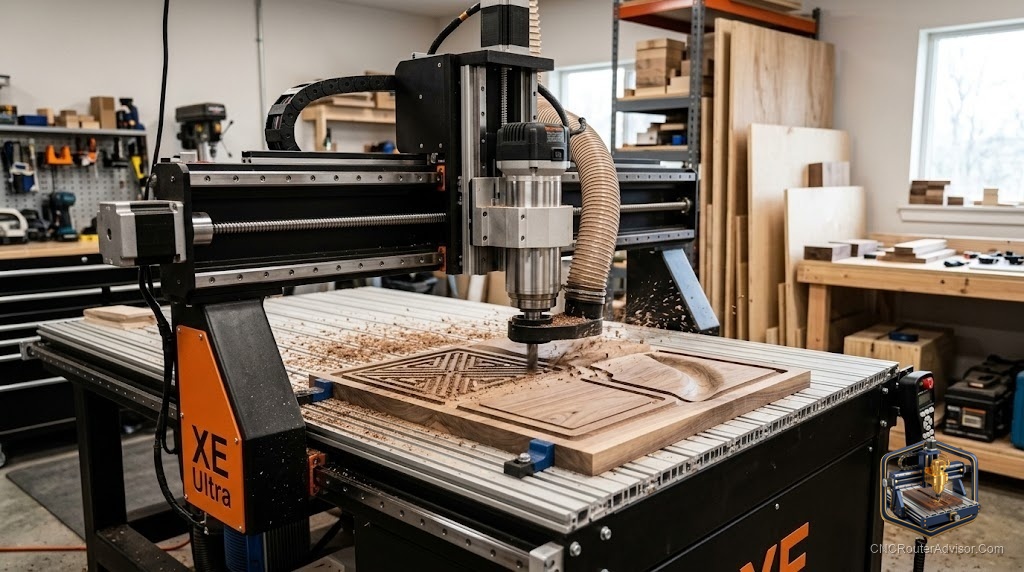
Marketing names in the CNC router market follow a predictable pattern. Add “Pro,” “Ultra,” or “XE” to a product name and it signals a step up from the base model, faster motion, a larger frame, a more capable spindle, or a better controller. Whether the name delivers on the implication depends entirely on which manufacturer is using it and what specific upgrades the tier actually includes. The “XE Ultra” name appears in the CNC router market associated with a small number of machines, and understanding what to look for in a machine marketed as an ultra tier is the practical starting point for this category.
A CNC router machine marketed as XE Ultra is a mid-to-upper hobbyist or prosumer machine that positions itself above entry-level in its lineup, typically with a larger work area, a heavier frame, a higher-wattage spindle, or improved motion components compared to the manufacturer’s base model. The designation is a branding tier rather than a standardised specification, which means the upgrade it represents varies between manufacturers.
Short answer: when evaluating any machine with an “ultra” or “XE” designation, look past the name and compare the actual specifications, especially frame construction, motion system, spindle power and type, and work area, against the base model and against similarly priced competitors. The name is a marketing tier; the specs are the substance.
What “ultra” tier usually delivers
Across the hobbyist and prosumer CNC router market, a machine branded as ultra or XE Ultra over its base model typically adds one or more of the following: a larger work area, a more rigid (often all-aluminium or steel) frame versus the base model’s lighter construction, a 500W or higher brushless or VFD spindle versus a lighter trim router, upgraded lead screws or ball screws versus belt drive, and a touchscreen or offline controller versus a basic controller board.
The Twotrees TTC450 Ultra is an example of this tier: it offers an all-metal frame, a 500W spindle, and a larger touchscreen, stepping up meaningfully from the base TTC450 with improvements in both rigidity and usability. This kind of tangible component upgrade is what the “ultra” designation should deliver; if a machine’s ultra tier cannot be described in specific hardware terms, it is likely a cosmetic differentiation.
How to evaluate any “ultra” designation
Four questions decide whether the upgrade is real.
What specific hardware is different from the base model? The answer should be frame, spindle, motion system, or controller, not just colour or bundle contents.
Is the frame all-metal? An ultra-tier machine should have an aluminium extrusion or steel frame that is meaningfully more rigid than the base model, not the same frame in a different package.
What is the spindle? An upgrade to a dedicated 500W or higher spindle over a trim router insert is a genuine improvement in continuous-duty performance, heat management, and cut consistency.
What is the motion system? Lead screws or ball screws on all axes are a real upgrade from belt drive; confirm the upgrade tier actually includes this change rather than just a different label.
Who the XE Ultra tier suits
Machines in the ultra or XE Ultra tier suit the maker who has outgrown an entry-level hobby machine and wants meaningfully better rigidity, work area, and spindle capability without jumping to full prosumer cost. They are also a sensible starting point for someone who knows from the outset that their projects require a larger bed and a proper spindle rather than a trim router.
Who should skip it: if your projects are small and detailed, a compact but very rigid entry machine often outperforms a larger ultra-tier machine because smaller travels have less flex to manage. And if you are already at production volume, a true prosumer machine (Avid CNC, ShopSabre entry, or similar) offers a more direct path to the throughput you need.
The honest caveat about naming tiers
Branding tiers in this market are not regulated. A manufacturer can call any machine “ultra” without meeting a published spec threshold. Always cross-reference the name against the actual component list before comparing prices. Two machines priced the same and both called “ultra” can differ substantially in what they deliver.
The verdict
An XE Ultra or ultra-tier CNC router is worth the step up when the specific hardware upgrades, frame, spindle, motion system, are real and meaningful relative to the base model and the price gap. Look at what changed, not what the tier is called. A machine that delivers a genuine all-metal frame, a proper spindle, and screw-drive motion in the ultra tier earns the name; one that delivers a decal upgrade does not.
Three things to remember:
- “Ultra” and “XE” are marketing designations, not regulated standards; evaluate the actual hardware changes, not the name.
- Frame rigidity, spindle type and wattage, and motion system (screws vs belts) are the three specs that define whether the ultra upgrade is real.
- The tier suits makers who have outgrown entry-level hobby machines and want more capability before the full prosumer cost jump.
FAQ
What does XE Ultra mean on a CNC router machine? It is a branding tier indicating a step up from the base model. The specific improvements vary by manufacturer but typically include a larger work area, a more rigid frame, a more capable spindle, or improved motion components.
Is an ultra-tier CNC router worth the extra cost over the base model? If the specific hardware upgrades match your needs, yes. If the tier adds a more rigid frame, a proper spindle, and screw-drive motion, those are genuine improvements. If the upgrade is mainly cosmetic, it is not worth a significant price premium.
How do I compare ultra-tier machines from different brands? Compare frame construction (material and weight), spindle wattage and type (trim router vs dedicated spindle), motion system (belts vs lead screws vs ball screws), and work area. The branding tier itself does not allow cross-brand comparison.
Who should buy an ultra-tier CNC router? Makers who have outgrown a small hobby machine and need a larger work area, better rigidity, and a more capable spindle without the cost and infrastructure of a full prosumer machine.
What spindle should I look for in an ultra-tier machine? A dedicated brushless or VFD spindle of 500W or more is a meaningful step up from a trim router insert. Confirm the spindle is a genuine improvement in the ultra tier, not just the same trim router in a different mount.
Can an ultra-tier CNC router cut aluminium? A machine with an all-metal frame, screw-drive motion, and a proper spindle in the ultra tier can handle light aluminium work with correct tooling and technique. The same qualifications apply as for any router doing metal work.
Should I start with an ultra-tier machine or buy up to it later? If you know your projects need the larger work area and better spindle from the start, beginning with an ultra-tier machine saves time and money versus buying twice. If you are still learning the workflow, a smaller, simpler machine may teach you more efficiently.
References
- Twotrees, TTC450 Ultra CNC router (product specifications): Check on Amazon
- CNC Router Info, How to Choose a CNC Router (machine tier comparison): https://cncrouterinfo.com/guides/how-to-choose-a-cnc-router/
- 731 Woodworks, CNC Machine Comparison for Small Shops: https://www.731woodworks.com/731-blog/best-cnc-machines-for-small-woodworking-shops-in-2025-beginner-to-pro-picks