
Bulldog CNC Router Guide: Features, Specifications, and Buying Considerations
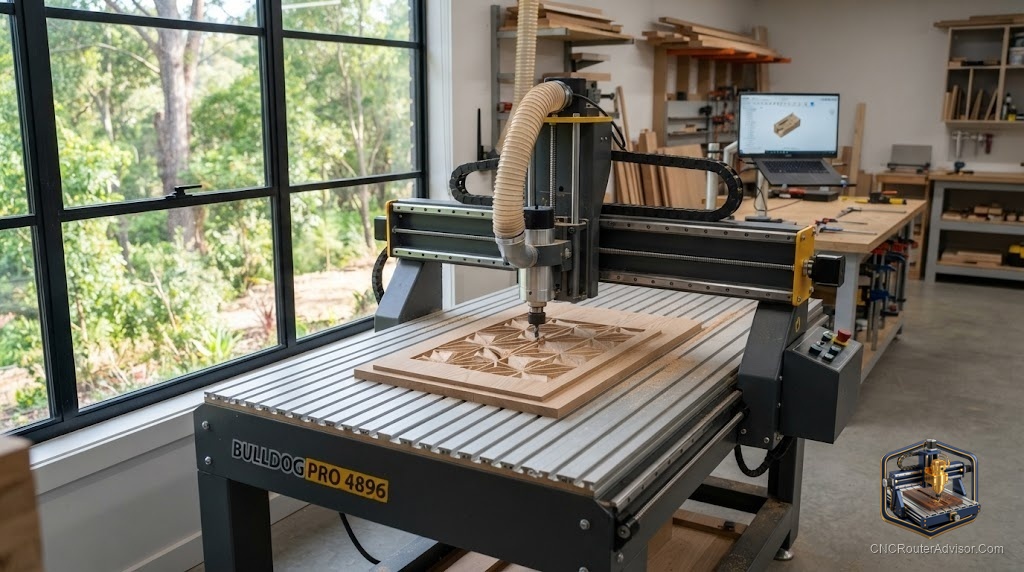
When you are evaluating a specific CNC router model, the smart approach is the same regardless of the badge on it: look past the name and judge the machine on its fundamentals and how well they fit your work. This guide treats a Bulldog CNC router the way you should treat any candidate machine, by laying out the features and specifications that determine performance and the buying considerations that decide whether it is right for you. Rather than repeating marketing claims, it gives you the framework to evaluate the machine on substance and confirm the details before you buy.
The reliable way to judge any named machine is to check its fundamentals against your needs, so this guide focuses on the features, specifications, and considerations that actually decide value.
Evaluating a Bulldog CNC router, like any specific model, means checking the fundamentals that determine performance and matching them to your work: frame rigidity and construction (which set cut quality and material capability), work area and Z clearance (sized to your projects and material thickness), spindle power and type (matched to your materials), motion system (linear rails with lead or ball screws for precision and durability), and control and software compatibility (fitting your workflow). Buying considerations include build quality and reliability, community and vendor support, available parts, and shop requirements such as power and space. Because specifications and configurations vary and change, confirm the exact details with the seller and seek feedback from current users rather than relying on marketing. Match the machine’s fundamentals to your materials, project sizes, and budget.
Judge the machine on rigidity, work area, spindle, motion, and control, confirm specs with the seller, and match it to your work.
Fundamentals that determine performance
Every machine, whatever its name, lives or dies on these:
Frame rigidity and construction. The frame’s material and stiffness set cut quality and which materials you can cut cleanly. A rigid frame resists deflection for accurate cuts; a flimsy one flexes and cuts poorly. This is the most important fundamental, so weigh it heavily.
Work area and Z clearance. Confirm the X, Y, and Z travel fits your projects and material thickness, with sensible margin. Usable work area is slightly less than nominal, so check real capacity.
Spindle power and type. Match spindle power and RPM to your materials. A VFD spindle offers variable speed and durability; a trim router suits lighter work. Adequate power keeps cuts clean and the machine from bogging.
Motion system. Linear rails with lead or ball screws indicate a precise, durable machine; V-wheels and belts lower cost but flex and allow backlash. The motion system sets precision and longevity.
Control and software. Confirm the controller and CAD/CAM compatibility fit your workflow and skill level, including any features you need.
Buying considerations
Build quality and reliability. Look for solid construction and a reputation for reliability, since uptime and consistent results matter over the machine’s life.
Community and support. An active user community and responsive vendor support make learning, troubleshooting, and upgrades far easier, and available spare parts keep the machine running.
Shop requirements. Confirm the machine’s power needs, footprint, and dust extraction fit your space before buying.
Value and total cost. Weigh the machine against alternatives on capability per dollar, and budget for tooling, a spoilboard, and dust collection so it is usable.
Confirm the details. Because configurations and specifications vary and change, verify the exact work area, spindle, rigidity, and control details with the seller, and seek feedback from current users rather than relying on marketing.
How to evaluate any specific model
- List your materials and project sizes to set the minimum rigidity, spindle power, and work area you need.
- Check the machine’s fundamentals against that list, weighting rigidity most.
- Confirm the specifications with the seller and look for independent user feedback.
- Assess support and parts availability for the platform.
- Verify shop fit, power, space, and dust extraction, before buying.
This framework works for a Bulldog or any other named machine and keeps the decision grounded in substance.
The verdict
Evaluate a Bulldog CNC router the way you would judge any specific model: on its fundamentals and how well they fit your work, not on its name. Check frame rigidity and construction first, since they set cut quality and material capability, then work area and Z clearance, spindle power and type, motion system, and control and software compatibility. Weigh build quality and reliability, community and vendor support, available parts, and shop requirements, and because configurations and specifications vary and change, confirm the exact details with the seller and seek feedback from current users. Matched carefully to your materials, project sizes, and budget, you will know whether the machine is right for you.
Three things to take with you:
- Judge any named machine, including a Bulldog, on its fundamentals, rigidity, work area, spindle, motion system, and control, not on marketing or the badge.
- Weigh build quality and reliability, community and vendor support, available parts, and shop requirements alongside the fundamentals.
- Confirm the exact specifications with the seller and seek independent user feedback, then match the machine to your materials, project sizes, and budget.
FAQ
How do I evaluate a Bulldog CNC router? Judge it on its fundamentals rather than its name: frame rigidity and construction, work area and Z clearance, spindle power and type, motion system, and control and software compatibility. Match those to your materials and project sizes, confirm the details with the seller, and seek feedback from current users.
What is the most important feature in a CNC router? Frame rigidity. The frame’s stiffness sets cut quality and which materials you can cut cleanly. A rigid frame resists deflection for accurate cuts, while a flimsy one flexes and cuts poorly no matter what else the machine offers, so weight rigidity most heavily.
How do I confirm a CNC router’s specifications? Ask the seller for the exact work area, spindle power and type, frame construction, motion system, and control details, since configurations vary and change. Then look for independent feedback from current users to verify real-world performance and reliability rather than relying on marketing claims.
What spindle do I need on a CNC router? One matched to your materials and cutting. A VFD spindle offers variable speed, quieter operation, and durability for a range of materials, while a trim router suits lighter work in soft materials. Adequate power keeps cuts clean and prevents the machine from bogging under load.
Why does community and vendor support matter? Because support, an active user community, and available spare parts make learning, troubleshooting, and upgrades far easier and keep the machine running. A well-supported platform is often easier to live with than a machine with a slightly better specification but little support or parts availability.
What shop requirements should I check before buying? Confirm the machine’s power needs, physical footprint (larger than the work area), and dust extraction requirements fit your space and supply. Also budget for tooling, a spoilboard, and dust collection so the machine is usable from day one, and plan a solid, level surface for accuracy.
References
- Wikipedia, CNC router overview: https://en.wikipedia.org/wiki/CNC_router
- CNC Cookbook, evaluating CNC machines: https://www.cnccookbook.com