
Used 4x4 CNC Router for Sale: What to Look For and How to Inspect Before You Buy
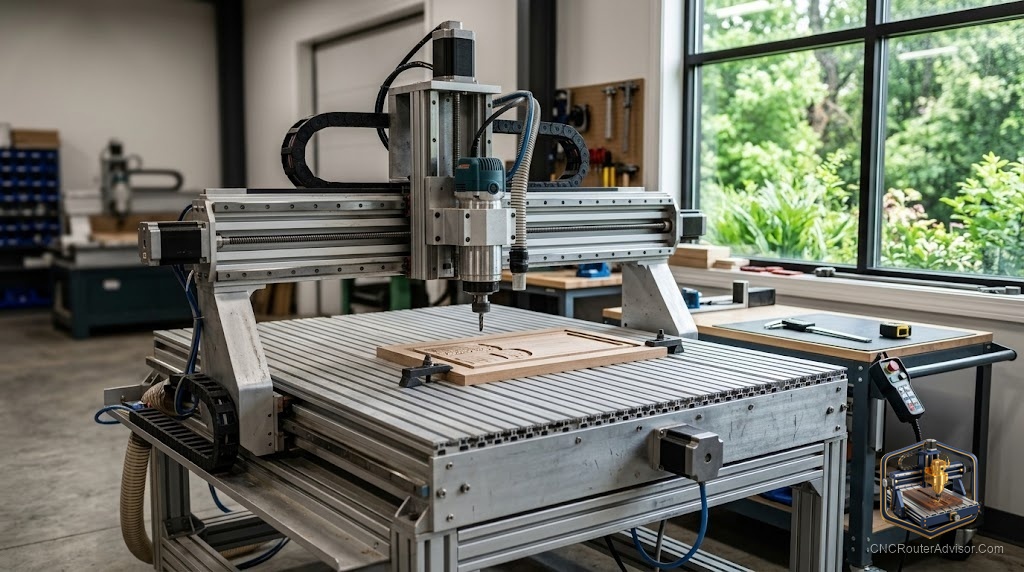
A used 4x4 CNC router can be one of the best values in the entire CNC world, or an expensive mistake sitting on a pallet in your shop, and the difference is almost entirely in the inspection. A 4x4 (48 by 48 inch work area) machine is the sweet spot for a lot of small shops: big enough to cut half-sheets and serious project parts, small enough to fit a normal shop and run on available power. Buying one used can save a great deal over new, but these are heavy, complex machines with many wear points, and a careful buyer who knows what to check will pay a fair price for a sound machine while an unprepared one risks buying someone else’s problem.
This guide is the practical inspection and buying knowledge for a used 4x4 router: what the format is good for, what to inspect mechanically and electronically, the questions to ask a seller, and how to think about logistics and value.
A 4x4 CNC router is a machine with roughly a 48 by 48 inch (about 1220 by 1220 mm) work area, a popular size for small shops cutting half-sheets, signs, cabinet parts, and project panels. When buying one used, the key areas to inspect are the mechanical condition (linear rails, bearings, ball screws or racks, and gantry for wear and play), the spindle (hours, bearing condition, and whether it runs true), the electronics and controller (whether it powers up, homes, and runs), and completeness (software, controller, documentation, and tooling). Ask about the machine’s age, usage hours, maintenance history, and why it is being sold.
A sound used 4x4 offers excellent value; the risk is in wear and missing components, which a careful inspection reveals before money changes hands.
What a 4x4 is good for
The 4x4 format cuts half-sheets (a full 4 by 8 sheet cut in two) and is well-suited to signs, cabinet and furniture parts, panel work, and general project cutting. It is large enough for real production of small-to-medium parts yet compact enough to fit a normal shop and often run on single-phase power (depending on the spindle). This balance of capability and practicality is why 4x4 machines are common and why a good used one is in demand.
Mechanical inspection
The mechanics are where wear hides and where repairs get expensive. Check carefully:
- Linear rails and bearings: look and feel for smooth motion along the full travel of each axis. Roughness, notchiness, or visible pitting on the rails indicates worn bearings or damaged rails, which are costly to replace.
- Play and backlash: try to move the gantry and carriage by hand (with power off). Excessive play indicates worn bearings, loose fasteners, or worn drive components. A little is normal; a lot is a red flag.
- Ball screws or rack-and-pinion drives: inspect the drive system for wear. Ball screws should turn smoothly without notchiness; rack-and-pinion teeth should not be visibly worn or damaged. Backlash here directly affects accuracy.
- Gantry and frame: check for squareness and any signs of impact damage, bends, or repairs. A machine that has been crashed hard or dropped may never cut accurately again.
- Overall condition: rust, heavy dust packing, and neglect suggest poor maintenance and hint at hidden problems.
Spindle inspection
The spindle is a high-value component and a common wear item:
- Runout: if possible, check that the spindle runs true (minimal runout). A worn spindle bearing causes runout that ruins finish and accuracy.
- Bearing noise: listen for grinding, whining, or roughness when it spins. Bad bearings are audible and mean a rebuild or replacement.
- Hours and type: ask how many hours the spindle has run and whether it is air- or water-cooled. A high-hour spindle may be near a rebuild. Confirm the VFD is present and functional.
- Collet and tooling: confirm the collet system and that collets are included and undamaged.
Electronics and controller inspection
A machine that will not run electronically can be a deep and costly hole:
- Power it up. Insist on seeing the machine power on, home (reference its axes), and ideally run a simple job or jog all axes. A seller unwilling or unable to demonstrate this is a serious warning sign.
- Controller and drives: confirm the controller and stepper or servo drives are present and functional. Obsolete or proprietary controllers can be hard and expensive to replace or support.
- Homing and limit switches: verify the machine homes correctly and that limit switches work, which indicates the motion and safety systems are intact.
- Software and licenses: confirm what control and CAM software the machine uses, whether licenses transfer, and whether you can obtain support for it.
Completeness and provenance
Missing pieces erode the value of a used machine:
- What is included: controller, spindle and VFD, software and licenses, documentation, tooling, and any accessories (a dust boot, a probe, clamps). A complete machine is worth far more than a bare gantry.
- Documentation and support: confirm manuals exist and whether the manufacturer still supports the machine and sells parts. An orphaned machine from a defunct maker is riskier.
- Why it is being sold: ask directly. Upgrading or shop closure is reassuring; persistent problems the seller could not solve are not.
- Age, hours, and maintenance history: these frame everything. A well-maintained machine with moderate hours is a better buy than a lightly-used but neglected one.
Logistics and value
Plan the move before you buy. A 4x4 router is heavy and large. Confirm weight and dimensions, and arrange proper equipment (a forklift, pallet jack, or riggers) and transport. Factor moving cost into the price.
Confirm power requirements. Check the voltage and phase the machine needs (single- or three-phase) and whether your shop supplies it, or budget for a converter.
Judge value against new. A sound, complete, well-maintained used 4x4 at a meaningful discount to new is excellent value. As the price approaches new, or as wear and missing components mount, the case weakens. Price the machine on its true condition, not the seller’s optimism.
The verdict
A used 4x4 CNC router can be a superb value for a small shop, but only after a careful inspection. Check the mechanics (rails, bearings, drives, and gantry) for wear and play, the spindle for runout and bearing health, and the electronics by insisting the machine powers up, homes, and runs. Confirm completeness (controller, spindle, software, tooling, and documentation), ask about age, hours, maintenance, and reason for sale, and plan the move and power supply. Do this, and you will buy a sound machine at a fair price rather than someone else’s problem.
Three things to take with you:
- Insist on seeing the machine power up, home, and run before buying; a seller who cannot or will not demonstrate this is a serious warning sign.
- Inspect the wear points, rails and bearings, ball screws or racks, gantry squareness, and spindle runout and bearing noise, since these are the expensive repairs.
- Confirm completeness (controller, spindle and VFD, software and licenses, tooling, documentation) and plan logistics and power; a complete, well-maintained machine at a real discount to new is the value, a bare or neglected one is the risk.
FAQ
What is a 4x4 CNC router good for? A 4x4 (roughly 48 by 48 inch work area) machine cuts half-sheets, signs, cabinet and furniture parts, and project panels. It balances real capability for small-to-medium production with a footprint and power needs that fit a normal shop.
What should I inspect on a used 4x4 CNC router? The mechanics (linear rails, bearings, ball screws or racks, and gantry for wear and play), the spindle (runout, bearing noise, and hours), the electronics (whether it powers up, homes, and runs), and completeness (controller, spindle, software, tooling, and documentation).
How do I know if a used CNC router’s spindle is worn? Check for runout (whether it runs true) and listen for bearing noise (grinding, whining, or roughness) when it spins. Ask how many hours it has run and whether it is air- or water-cooled. A high-hour or noisy spindle may need a rebuild or replacement.
Should the seller demonstrate the machine running? Yes, absolutely. Insist on seeing it power on, home its axes, and ideally run a simple job or jog all axes. A seller unwilling or unable to demonstrate the machine running is a serious warning sign of electronic or mechanical problems.
What makes a used 4x4 CNC router a bad buy? Worn rails and bearings, excessive backlash, a crashed or out-of-square gantry, a worn or noisy spindle, non-functional or obsolete electronics, missing components (controller, software, tooling), an orphaned machine from a defunct maker, or a price near new. Any of these erodes value or signals trouble.
What are the logistics of buying a used 4x4 CNC router? They are heavy and large, so confirm weight and dimensions and arrange proper moving equipment (a forklift, pallet jack, or riggers) and transport. Also confirm the machine’s power requirements (voltage and phase) match your shop or budget for a converter. Factor these costs into the price.
References
- CNCzone, used CNC router buying and inspection discussions: https://www.cnczone.com
- OpenBuilds, CNC router mechanical inspection reference: https://openbuilds.com