
CNC Router 6090 Format: Work Area, Capability, and What to Evaluate Before Buying
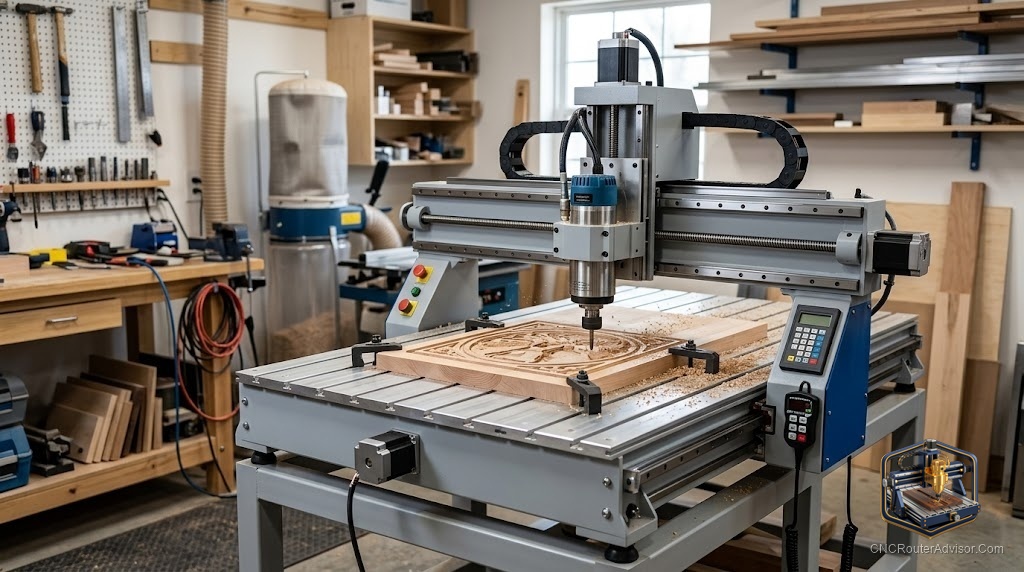
The 6090 designation is a work area description, not a brand name. It means the machine’s cutting envelope is approximately 600 by 900 millimeters, or about 23.6 by 35.4 inches. That puts it solidly in the territory between hobby-class desktop machines (typically under 600 by 600 mm) and full-production sheet machines (typically 4-by-8 feet and larger). For sign shops, small cabinet shops, and professional craft producers, the 6090 format hits a work area that accommodates a wide range of real projects without the footprint and cost of a full industrial machine.
The 6090 category is populated primarily by Chinese-manufactured machines sold under various brand names, of which IEHK is one. Understanding the format and what it provides is more useful than brand-name research alone, because most machines in this category share similar design approaches and the differentiators are in construction quality, spindle, and the quality of the supplier relationship.
A 6090 CNC router is a gantry-style machine with a work envelope of approximately 600 by 900 mm, typically suited to wood, MDF, plywood, acrylic, PVC foam, and soft metals. The format covers sign panels, cabinet doors, small furniture parts, and production runs of components that fit within those dimensions. Most 6090 machines in this class use an aluminum or steel gantry structure, stepper or servo drives, and include a water-cooled or air-cooled spindle in the 1.5 to 2.2 kW range.
For a professional maker or small production shop whose work routinely requires cutting to 600 by 900 mm and who wants a machine with more rigidity and speed than a desktop hobby machine, the 6090 format is a practical starting point for specification.
What the 6090 format provides over smaller machines
The 600 mm by 900 mm work area meaningfully expands what can be cut without repositioning compared to desktop hobby machines. A 600 by 900 mm machine handles:
- Standard sign panels in common formats without seams
- Cabinet doors up to large-format without repositioning
- Guitar bodies, which typically span close to 500 by 380 mm and benefit from room to spare
- Sets of smaller production parts nested across the full work area
- Tile and decorative panel work in commercial sizes
For a sign shop or small cabinet operation producing consistent work, the 6090 format means fewer positioning operations per job and more useful nesting area per sheet of material.
What to evaluate on any 6090 machine
Because 6090 machines are predominantly manufactured in China by a range of factories and sold through various brand identities (including IEHK, as well as other labels), evaluating the machine requires looking past the brand name to specific construction and component specifications:
Frame material and construction: Welded steel is more rigid than bolted aluminum extrusion for a machine this size. Ask whether the frame is cast/welded or bolted, and look for photos of the internal frame structure. A machine with a welded steel base and aluminum gantry extrusion is typical for the mid-range of this class.
Spindle: Most 6090 machines in this class include a 1.5 kW or 2.2 kW water-cooled or air-cooled spindle. Water-cooled spindles run quieter and at lower sustained temperatures than air-cooled; both are functional. Confirm the spindle brand (HQD, Jianken, and Rattm are well-regarded Chinese spindle suppliers) rather than accepting generic descriptions.
Drive system: Stepper motors are common at this size class. Servo drives provide faster response and closed-loop position confirmation. For sign and wood work at moderate feed rates, steppers are adequate. For faster production cycle times, servos are the step up.
Linear motion: Linear square rails and recirculating ball carriages are the right choice for a machine this size. Round-bar rails (common on cheaper machines in this class) have more flex and wear faster. Confirm rail type before purchasing.
Controller: DSP offline controllers (common Chinese brand: Weihong / NK series) are standard on this class of machine and provide a touch-panel operator interface without a connected PC. Verify the controller is functional and that the supplier can provide documentation.
Power supply and spindle inverter: A variable frequency drive (VFD) controls the spindle speed. Confirm the VFD is properly rated for the spindle and that wiring is safe and properly enclosed.
Sourcing a 6090 machine: what to expect
Machines in this class from Chinese suppliers are typically available through direct import, Alibaba or similar B2B platforms, and some US-based resellers who import and support them. The direct import route provides the lowest initial cost and requires the most self-sufficiency in setup, calibration, and any warranty claims. A US-based reseller adds margin but provides domestic support.
Key sourcing questions: Does the supplier provide an English-language manual? Is technical support available in your time zone? What is the warranty and return process for a machine that arrives with mechanical issues? What is the shipping damage risk and who bears it?
Budget for calibration time and a potential spindle or controller replacement within the first year regardless of brand, as machines in this class at their price point occasionally have component variation.
The verdict
The 6090 work area format genuinely serves professional-scale sign, cabinet, and production work that hobby desktop machines cannot cover, at a lower cost and footprint than full industrial sheet machines. The key to buying well in this class is evaluating construction and component specifications rather than brand names, and understanding that the supplier relationship and post-sale support are as important as the machine specifications.
Three things to take with you:
- Evaluate frame construction (welded steel versus bolted extrusion), rail type (square linear rail versus round bar), and spindle brand before accepting any 6090 machine on spec sheet alone.
- Square linear rails and a named spindle brand are the two component details that most reliably distinguish better machines from worse ones in this class.
- Factor calibration time and one or two component replacements into the first-year cost regardless of supplier; this is a realistic expectation in the direct-import mid-range machine market.
FAQ
What does 6090 mean in a CNC router model name? 6090 refers to the machine’s work area: approximately 600 by 900 millimeters (about 23.6 by 35.4 inches). It is a format designation, not a brand name, and appears across many different machine brands.
What can a 6090 CNC router cut? Sign panels, cabinet doors, guitar bodies, decorative tiles, furniture parts, and production runs of smaller components in wood, MDF, plywood, acrylic, PVC foam, and soft metals. The 600 by 900 mm envelope fits most commercial sign and cabinet work without repositioning.
What spindle power should a 6090 machine have? A 1.5 kW or 2.2 kW spindle is standard and appropriate for the work area. Water-cooled spindles run quieter and at lower sustained temperatures. Confirm the spindle brand rather than accepting generic specifications.
What linear motion type should a 6090 router have? Square linear rails with recirculating ball carriages. Round-bar rails are common on cheaper machines in this class and flex and wear more quickly. Confirm rail type in the specification sheet before purchasing.
How does a 6090 router compare to a hobby desktop machine? The 6090 format provides roughly two to three times the work area of a common hobby desktop machine, with a spindle and frame construction suited to sustained production use rather than occasional hobby cutting. The step up in footprint and cost is significant; the step up in practical output capacity is proportionally greater.
What controller do most 6090 CNC routers use? Most use a DSP offline controller (commonly Weihong/NK series) that provides a touchscreen operator interface without a connected PC. GRBL-compatible boards are also available for builders who want to use standard open-source CAM and sender workflows.
References
- Xometry, “CNC Routing Services” (industry context): https://www.xometry.com/capabilities/cnc-machining-service/cnc-routing/
- IDC Woodcraft, “CNC Router Buying Guide: Frame and Linear Motion”: https://idcwoodcraft.com/blogs/news/cnc-router-buying-guide