CNC Routing Services Kansas: How to Find the Right Fabrication Partner
The tooling jig has to be right, or it is worse than nothing. A tolerance miss on a composite layup form in an aerospace context ripples through every part produced on top of it, and a modest CNC routing job becomes a very expensive conversation with a quality engineer. Wichita’s fabrication community understands this. Kansas, and the south-central manufacturing corridor in particular, runs some of the most capable and process-conscious CNC routing operations in the region.
Finding a CNC routing service anywhere in Kansas depends almost entirely on what you are building and for whom. The same state that machines aerospace structures and tooling forms also houses agricultural equipment shops, architectural millwork fabricators, and small-batch prototype houses. The first question is not where to find a shop. It is what kind of shop your project actually needs.
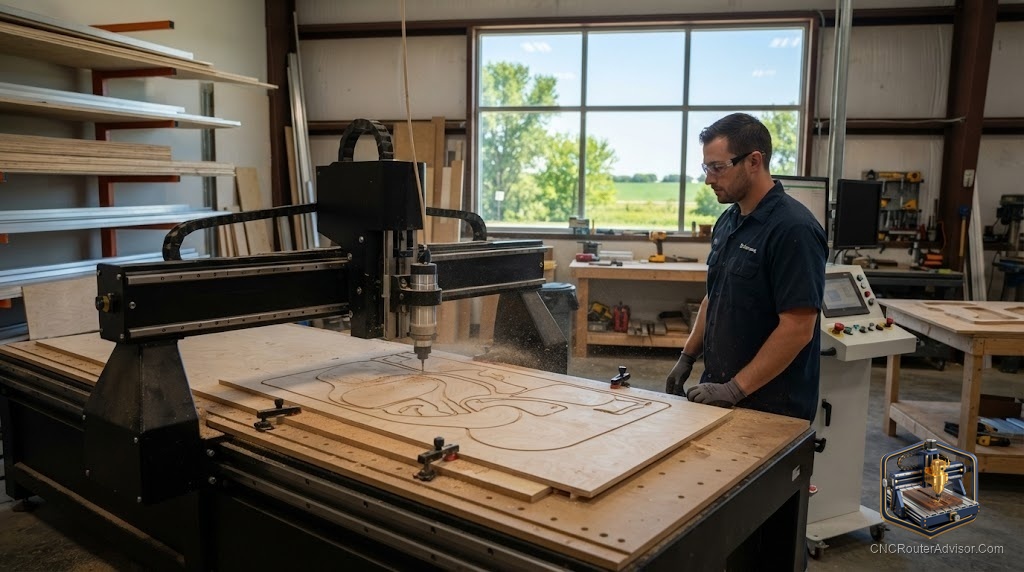
A CNC routing service uses a computer-controlled machine to cut, carve, or mill your material to a digital design. You supply the file and the spec; the shop supplies the machine, tooling, operator, and output. The material range runs from foam and MDF through hardwoods, plastics, aluminum composite, and sheet aluminum. What separates a capable shop from an expensive learning experience is whether their process, certifications, and equipment match your application.
For most commercial or light industrial routing in Kansas, the answer is: start with Wichita, the state’s largest manufacturing hub, and work outward from there. Aerospace supplier shops, sign fabricators, millwork companies, and job shops with router tables are all present in the metro, and many will take outside work.
Wichita’s aerospace context and what it means for you
Wichita has earned the name Air Capital of the World for a reason. Major aerospace companies including Spirit AeroSystems, Textron Aviation (Cessna and Beechcraft), and others operate significant manufacturing facilities here. The supplier network that supports those companies runs on precision, documentation, and process control, and some of those capabilities are available to outside customers from shops that serve the aerospace sector.
For a buyer, this matters if your project requires tight tolerances, material documentation, or certified processes. Shops supplying aerospace work may hold AS9100 certification or equivalent quality systems. If your project requires documented traceability, a shop in Wichita’s aerospace supply chain is the place to start. If your project is a sign or a set of cabinet doors, that same shop may be overkill, but it is there.
For the commercial and architectural end of the market, Wichita’s sign and cabinet industries are substantial. Kansas’s large commercial construction sector drives millwork and signage demand, and the shops serving that market run production CNC tables suited to MDF, plywood, PVC foam, and acrylic.
Agricultural and industrial Kansas
Outside Wichita, the agricultural equipment manufacturing base that runs through central and western Kansas generates its own routing demand: jigs, fixtures, foam packaging inserts, and short-run prototype parts for equipment development. Job shops and fabrication houses serving the agricultural equipment sector are often underbooked on outside work and worth calling if your project is in that region.
What to verify before committing to a shop
The single most important thing to confirm is whether the shop runs the material you need. Ask specifically:
- What material do you cut most frequently?
- What is your machine’s work envelope?
- Do you have experience with my tolerance requirements (if they are tighter than ±0.5 mm)?
- What certifications or quality systems does the shop maintain?
- What file format should I submit, and what information do you need in the quote request?
For precision work, asking about a shop’s typical accuracy and whether they have inspection equipment is appropriate. For signage and commercial work, machine size and material availability are the deciding factors.
File prep for Kansas shops
The file format rules apply regardless of location. For 2D routing, DXF with closed-loop vectors is universal. Organize layers by operation, include material, thickness, and quantity, and send a PDF visual alongside the CAD file. For technical parts where tolerance matters, include a drawing with dimensions and callouts. A shop that receives a complete, well-organized package moves faster and makes fewer errors.
For foam and composite tooling work, specify the material grade and any surface requirements (one-side finish, edge treatment, dimensional hold) in writing before work begins. A written scope is the best protection against a revision conversation.
The verdict
Kansas has the CNC routing capability to handle work from MDF signs to aerospace-adjacent tooling, and the concentration of that capability is in Wichita. For precision or documented work, Wichita’s aerospace supplier base offers quality systems you will not find at a typical sign shop. For commercial and light industrial work, the sign and millwork sector is well-equipped and competitive.
Three things to take with you:
- For precision or aerospace-adjacent work, ask about certifications and quality systems, not just machine capability.
- Wichita is the right first call for most Kansas routing work; the supplier network there is deep and varied.
- A fully specified quote package (DXF, material, thickness, dimensional notes, and a visual reference) moves faster in every market.
FAQ
Where can I find a CNC routing service in Kansas? Wichita has the largest concentration of fabrication and routing capability in the state, including aerospace supplier shops, sign fabricators, and job shops. For other regions, search for cabinet shops, sign companies, and industrial job shops with CNC equipment.
What certifications should I look for in a Kansas CNC routing shop? For aerospace or precision work, AS9100 or an equivalent quality management certification indicates a shop with documented processes and traceability. For commercial work, certification is typically not required.
What file format does a CNC routing service need? DXF for 2D work, STL or STEP for 3D. Include material type, thickness, quantity, and a PDF visual in your quote request. For precision parts, include a dimensioned drawing.
Can Kansas routing shops handle aluminum? Many can, particularly shops in the aerospace supplier network. Confirm the shop has tooling and experience with aluminum routing, since it requires different speeds, feeds, and sometimes lubrication compared to wood or plastics.
How do I get a quote from a CNC routing service? Email or upload your DXF file alongside material and quantity information. Include a PDF visual reference and note any tolerance requirements. For complex jobs, a phone call before sending the file often gets a faster, more accurate response.
What is a typical turnaround for CNC routing in Wichita? For standard commercial work, a few days is typical. For precision or documented parts, lead time depends on the shop’s workload and whether your material is in stock. Ask directly.
References
- Xometry, “CNC Routing Services”: https://www.xometry.com/capabilities/cnc-machining-service/cnc-routing/
- Cutting Edge CNC, “Send Us Your CAD Files”: https://cuttingedgecnc.co.uk/send-us-your-cad-files/