CNC Routing Services Green Bay WI: How to Find the Right Shop
The prototype was supposed to be simple: a foam-lined insert, three-piece, designed to cradle a specialty food product for retail presentation. The problem was not the geometry. The problem was finding a shop in the greater Green Bay area that could cut rigid foam to tight tolerances and turn it around before the client review on Thursday. It existed, once you knew where to look.
Green Bay is not the first city that comes to mind for CNC fabrication, but the northeastern Wisconsin manufacturing corridor is more capable than its profile suggests, and the right shop for your project is usually there if you know what kind of facility to ask for.
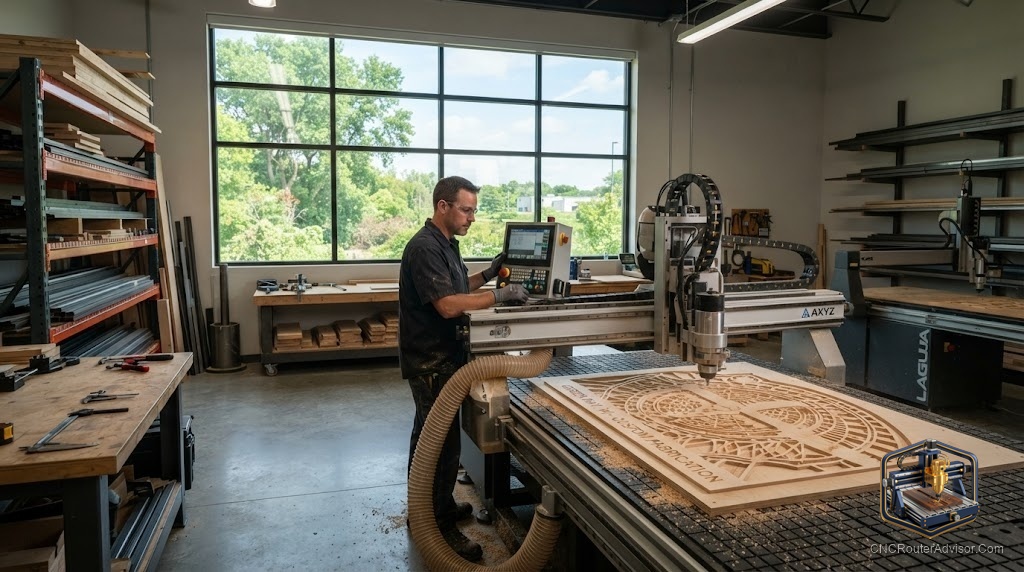
A CNC routing service takes your digital file and cuts it in your chosen material on a computer-controlled machine. You pay for machine time and usually material. The shop handles the operator, tooling, and output. For a project in Green Bay, that service might come from a packaging fabricator, a sign shop, a cabinet maker, or a general job-shop machinist, and each handles different materials and tolerances.
For most sheet goods and signage work in the area, a local sign shop or cabinet shop with CNC capability is the first call. For packaging prototypes, foam, or production-grade industrial parts, a fabrication or job shop is the better fit. Call with your material and quantity first.
The Green Bay manufacturing landscape
Wisconsin’s paper and packaging industry anchors a significant portion of the manufacturing economy in this region. Large paper and tissue producers operate facilities in the Fox River Valley corridor between Green Bay and Appleton, and that industrial base supports a network of suppliers and fabricators who handle materials, fixtures, and prototypes. If your work involves packaging inserts, display fixtures, or foam-core tooling, the Fox Valley corridor has fabricators familiar with that work.
Beyond paper and packaging, Green Bay’s food processing sector , the region processes a significant share of American cheese production, among other products , drives demand for custom jigs, holders, and display fixtures that benefit from CNC routing. There is also a healthy woodworking and cabinet-making community throughout northeastern Wisconsin, and many cabinet shops run production CNC tables capable of sign, millwork, and furniture panel work.
What to confirm before you send your file
A shop in a smaller market may be highly capable but narrowly specialized. Before sending anything, confirm:
- Machine footprint: A shop running a 4-by-4 table cannot cut a single oversized panel without seams. If your parts require a 4-by-8 pass, ask specifically about machine size.
- Material familiarity: Foam, HDPE, polycarbonate, and hardwoods all cut differently. A shop that runs MDF and plywood daily may or may not be set up for rigid foam or plastics. Ask what they run most often.
- File requirements: DXF is safest, but confirm. Shops vary on whether they want layers, colors, or specific conventions to designate cut depths.
- Minimum order and setup fees: Smaller markets often have a minimum job charge or setup fee that changes the math on a very small quantity. Ask before you get a surprise on the invoice.
- Turnaround: Rush turnaround in a smaller market may be less flexible than in a large metro. Build buffer into your timeline, and ask directly if your deadline is tight.
Preparing your file for a regional shop
Regional shops often rely on fewer staff handling multiple roles, which means a well-prepared file can meaningfully speed up your job. Send a DXF with clearly labeled layers (cut, pocket, engrave), specify material and thickness, and include a PDF or image of the finished design for visual reference. Shops that see a clean, organized file alongside a clear spec tend to prioritize and quote it faster.
For foam or soft-material work, specifying the foam type (EPS, XPS, PE, urethane) matters because tooling and speeds differ. For wood, note whether you need one face clean or both, since that determines fixturing.
Alternatives if local capacity is thin
If you cannot find a local shop with the right capability, online routing services have improved significantly. National providers accept file uploads, quote instantly for simple 2D work, and ship finished parts in days. For prototyping and short-run work, this is a practical alternative when geography limits local options. For ongoing production or quick-turnaround needs, a local relationship still wins.
The verdict
Green Bay’s CNC routing market is smaller than a major metro but more capable than most people expect, especially for wood, sheet goods, and packaging materials. The key is calling with your material and part size rather than just sending a file and hoping. Regional shops that stay busy are the ones worth finding and building a relationship with.
Three things to remember:
- Contact cabinet shops, sign fabricators, and job shops directly; explain your material and size before asking for a quote.
- A clean, layered DXF with a PDF visual saves time and gets faster responses from regional shops.
- For prototyping small quantities, an online national service can supplement local capacity when no local shop fits your spec.
FAQ
Are there CNC routing services in Green Bay, WI? Yes, though the market is smaller than a major metro. Sign shops, cabinet shops with CNC equipment, and job-shop fabricators in the Green Bay and Fox Valley corridor can handle a range of materials. Call with your material and part size to find the right match.
What file format do I need for a CNC routing quote? DXF is the most universally accepted. Include layers labeled by operation, specify material and thickness, and send a visual reference image or PDF alongside the file.
What materials can regional Wisconsin CNC shops handle? Most handle MDF, plywood, PVC foam board, and acrylic. Some extend to rigid foam, HDPE, and soft metals. Confirm material capability before committing to a shop.
What if no local shop can do my job? Online CNC cutting services accept file uploads and ship finished parts nationally. For simple 2D work they quote instantly. For prototyping or short runs where local options are thin, they are a practical alternative.
How long does a CNC routing job take in a regional market? For simple jobs, a few days is typical. Rush capability varies more in smaller markets than in major metros, so ask directly and build buffer into tight timelines.
What industries use CNC routing services in the Green Bay area? Packaging and foam insert fabrication, cabinet and millwork shops, sign and display fabricators, and food processing equipment suppliers all use routing services in the region.
References
- Xometry, “CNC Routing Services”: https://www.xometry.com/capabilities/cnc-machining-service/cnc-routing/
- Cutting Edge CNC, “Send Us Your CAD Files”: https://cuttingedgecnc.co.uk/send-us-your-cad-files/