CNC Router Supplier Explained: Types, What to Expect, and How to Choose
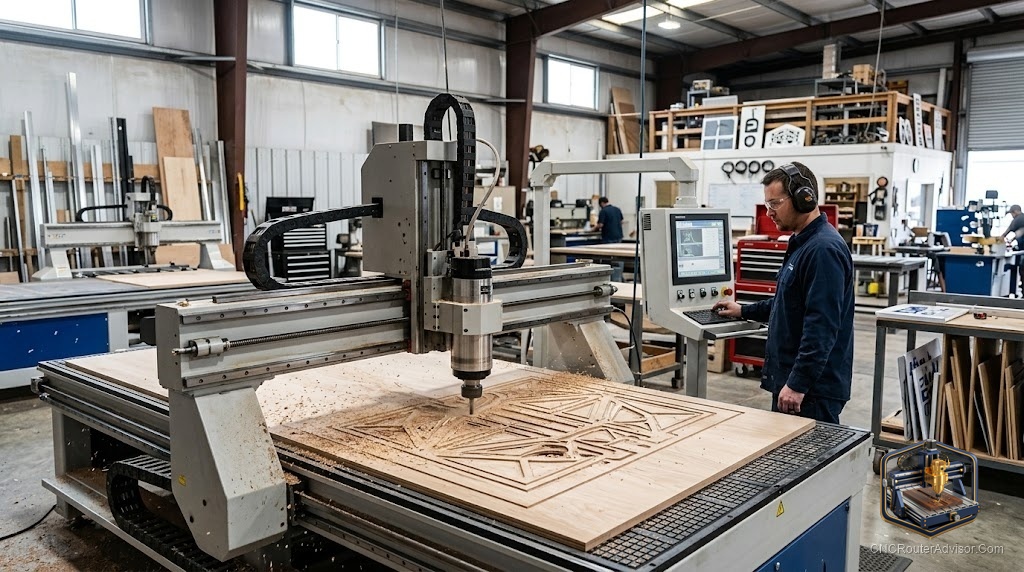
When you buy a CNC router, you are not just buying a machine, you are choosing a supplier, and the supplier shapes your entire ownership experience: the buying process, delivery and installation, training, ongoing support, and the availability of parts, tooling, and accessories. “Supplier” can mean the manufacturer selling direct, an authorized dealer, or a general retailer, and each type offers different value. Understanding the kinds of CNC router suppliers, what to expect from each, and how to choose one helps you buy from a source that supports you well beyond the sale.
A CNC router supplier is the source you buy a CNC router (and often its tooling, accessories, and support) from, which may be the manufacturer selling direct, an authorized dealer, or a general/online retailer. Suppliers differ in pricing, delivery and installation, training, technical support, and parts availability, factors that matter as much as the machine over its lifetime.
The short answer on choosing a supplier: prefer a supplier that offers strong after-sale support, parts and tooling availability, and (for large machines) delivery, installation, and training, whether that is the manufacturer direct or an authorized dealer. Price matters, but a cheap machine from a supplier that disappears after the sale is a poor bargain.
Types of CNC router suppliers
1. Manufacturer direct. Buying straight from the maker (Carbide 3D, Onefinity, Sienci, ShopBot, FoxAlien). Advantages: factory pricing, direct support and warranty, genuine parts, and the fullest product knowledge. The norm for many hobby/prosumer brands.
2. Authorized dealers/distributors. Regional resellers authorized by manufacturers, common for larger and industrial machines (Avid, ShopBot, industrial brands). Advantages: local delivery, installation, training, and hands-on support, valuable for big machines that are costly to ship and complex to set up.
3. General and online retailers. Broad sellers (Amazon and general tool retailers) carrying multiple brands, common for desktop and budget machines. Advantages: convenience, competitive pricing, and selection. Drawback: support and expertise are usually thinner, often just the manufacturer’s warranty.
4. Tooling and accessory suppliers. Specialized sources for bits, collets, spindles, dust collection, and workholding, important ongoing suppliers even after you own a machine.
What to expect from a good supplier
- Fair, transparent pricing and clear configuration options.
- Delivery and installation appropriate to the machine’s size (crucial for full-size and industrial).
- Training and onboarding so you can use the machine productively.
- Technical support: responsive help when problems arise, the differentiator that matters most.
- Parts and consumables: ready availability of spares, spindles, and tooling.
- Warranty and service: clear terms and a path to repair.
- Knowledge and documentation: guides, tutorials, and expertise.
How to choose a CNC router supplier
- Match supplier type to machine size: manufacturer-direct or online retailer for small machines; manufacturer or authorized dealer for large/industrial machines needing delivery, installation, and training.
- Weigh after-sale support heavily: research support reputation (reviews, forums), it is where suppliers differ most.
- Confirm parts and tooling availability: you will need consumables and eventually spares.
- Check warranty and service terms before buying.
- Consider total value, not just price: delivery, installation, training, and support add real value that a bare-bones cheap price omits.
- Verify authorization for dealers, to ensure genuine machines, warranty, and parts.
- Assess responsiveness during the buying process, it often predicts after-sale support.
The verdict
Choosing a CNC router supplier is as consequential as choosing the machine, because the supplier shapes delivery, installation, training, support, and parts availability across the machine’s whole life. Match the supplier type to the machine: manufacturer-direct or a reputable online retailer works well for small machines, while manufacturers and authorized dealers are best for large and industrial machines that need delivery, installation, and training. Above all, weigh after-sale support and parts availability heavily, they are where suppliers differ most and matter most when something goes wrong. A fair price from a supplier that stands behind the machine beats a rock-bottom price from one that vanishes after the sale.
Three takeaways: CNC router suppliers come in types, manufacturer-direct, authorized dealers, general/online retailers, and tooling suppliers, each with different value; match the supplier type to the machine’s size, dealers matter most for large machines needing delivery, installation, and training; and weigh after-sale support and parts availability as heavily as price, since they define the ownership experience.
FAQ
What is a CNC router supplier? The source you buy a CNC router and often its tooling, accessories, and support from, which may be the manufacturer direct, an authorized dealer, or a general/online retailer. Suppliers differ in pricing, delivery, training, support, and parts availability.
Should I buy from the manufacturer or a dealer? For small machines, manufacturer-direct or a reputable online retailer works well. For large or industrial machines, a manufacturer or authorized dealer is best, they provide delivery, installation, training, and hands-on support that big machines require.
What should I expect from a good CNC router supplier? Fair, transparent pricing; delivery and installation appropriate to the machine; training; responsive technical support; ready parts and consumables; clear warranty and service; and good documentation. After-sale support is the most important differentiator.
Can I buy a CNC router on Amazon or from general retailers? Yes, especially desktop and budget machines, with convenience and competitive pricing. The trade-off is thinner support and expertise (often just the manufacturer’s warranty), so it suits buyers comfortable with more self-reliance.
Why does after-sale support matter when choosing a supplier? Because problems, faults, parts needs, questions, arise over a machine’s life, and responsive support turns downtime into a quick fix. Support is where suppliers differ most and is easy to overlook when focused only on price.
How do I find genuine parts and tooling for my machine? Buy from the manufacturer, authorized dealers, or specialized tooling and accessory suppliers. Confirm parts and consumables availability before buying the machine, you will need bits, collets, and eventually spares throughout ownership.
Is the cheapest supplier the best choice? Usually not. A low price that omits delivery, installation, training, support, and parts availability can cost more overall, especially if the supplier disappears after the sale. Weigh total value, not just the sticker price.
References
- Carbide 3D, Buying Direct (manufacturer supplier model): https://carbide3d.com/
- Avid CNC, Authorized Sales and Support: https://www.avidcnc.com/
- ShopBot Tools, Direct Sales, Dealers, and Support: https://shopbottools.com/
- CNCRouterInfo, Where to Buy a CNC Router: https://cncrouterinfo.com/guides/how-to-choose-a-cnc-router/
- CNCMachines.com, Buying from Dealers and Suppliers: https://cncmachines.com/