
CNC Routing Services Boston Area: How to Find, Evaluate, and Work With Local Providers
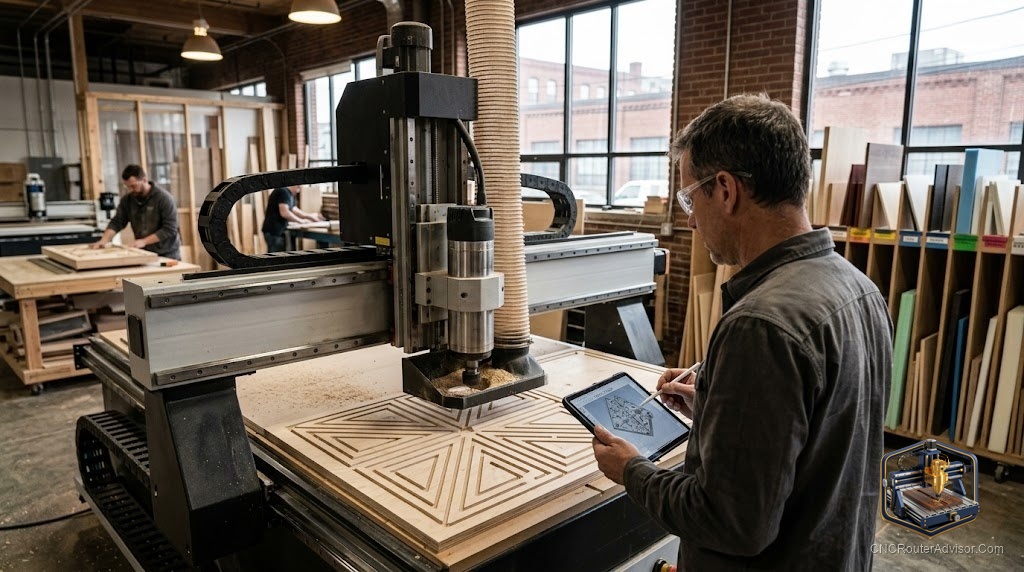
The Boston area, with its dense concentration of universities, biotech and hardware startups, architecture and design firms, and established manufacturing, is one of the Northeast’s richest markets for CNC routing services. Whether you need prototypes cut for a product launch, architectural millwork fabricated, signage produced, or your own CNC router diagnosed and repaired, there is likely a local provider who can help, if you know how to find and evaluate them. This guide covers what CNC routing services in the Boston area typically offer, how to choose the right one, and how to prepare your project.
CNC routing services in the Boston area are local shops and providers offering CNC routing, cutting, and machining on a per-project or production basis, and often machine diagnosis, repair, and maintenance support, serving industries from prototyping and product design to architecture, signage, and cabinetry. Choosing well means matching a provider’s materials, capacity, tolerances, turnaround, and support to your needs.
The short answer on Boston-area CNC routing services: define your project first (material, size, quantity, tolerance, deadline), then evaluate local providers on the materials they cut, machine capacity and tolerances, accepted file formats and design help, lead time, pricing, and, if you own a machine, their repair and maintenance support. The region’s strong innovation and manufacturing base means good options exist, so match the provider to your specific job.
What CNC routing services in the Boston area typically offer
- Prototyping and product development: a regional strength given the startup and university ecosystem, prototypes and short runs.
- Custom cutting and fabrication: parts and panels in wood, plastics, composites, foam, and non-ferrous metals.
- Architectural millwork and cabinetry: panels, millwork, and cabinet parts, often with sheet nesting.
- Sign and display work: dimensional signage, lettering, and displays.
- Research and education support: parts and fixtures for labs, universities, and makerspaces.
- Machine service and repair: diagnosis, fixes, maintenance, and support for CNC router owners.
- Design and file help: turning concepts into production-ready files.
How to evaluate a CNC routing service
- Materials handled: confirm they cut yours, wood, MDF, plywood, acrylic and plastics, composites, foam, or aluminum. Not every shop does every material.
- Machine capacity: check work-area size against your parts (full-sheet 4x8 or larger) and whether they run 3-axis or multi-axis for 3D.
- Tolerances and quality: confirm they hold the precision you need (important for prototyping), and ask to see sample work.
- File formats and design help: verify accepted formats (SVG, DXF, DWG, STL, CAD) and whether they help prep files.
- Lead time and capacity: confirm turnaround fits your deadline and that they can handle your quantity.
- Pricing structure: understand setup fees, per-part pricing, material costs, and minimums; get a written quote.
- Service and support (if you own a machine): ask about diagnosis, repair turnaround, parts availability, and preventive maintenance.
- Reputation: check reviews, portfolios, and references, especially for larger or repeat orders.
How to prepare your Boston-area project
- Define specs: material, dimensions, quantity, tolerance, and deadline.
- Prepare files: clean, production-ready vectors or models in accepted formats; ask the shop’s preferences.
- Provide references: samples or drawings clarify expectations, especially for prototypes.
- Discuss finishing: sanding, edge finishing, painting, or assembly.
- Request a written quote and timeline before committing.
- For repairs: describe the symptom clearly (loss of steps, spindle noise, controller faults) and the machine model to speed diagnosis.
Buy vs. outsource in the Boston area
Outsourcing to a local service makes sense for one-off projects, occasional needs, jobs requiring capacity or materials beyond your own machine, or when you lack a machine. If you have steady, ongoing CNC needs, buying your own machine (benchtop or full-size) may be more economical over time, the Boston area also has dealers, makerspaces, and university facilities that support that path. Weigh volume, frequency, and total cost.
The verdict
The Boston area offers a deep market of CNC routing services thanks to its universities, startups, design firms, and manufacturing, so strong providers exist for nearly any project, including prototyping and machine repair. The key is to define your project first, material, size, quantity, tolerance, and deadline, then evaluate local providers on materials, capacity, tolerances, file formats and design help, lead time, pricing, and support, checking reputation for larger orders. Prepare clean, production-ready files and get a written quote and timeline. For one-off or occasional needs, outsourcing is ideal; for steady ongoing work, weigh the economics of buying your own machine.
Three takeaways: the Boston area’s innovation and manufacturing economy supports a deep market of CNC routing services, with prototyping a particular strength alongside cutting, cabinetry, signage, and machine repair; evaluate providers on materials, capacity, tolerances, file formats, lead time, pricing, and support, matched to your specific project; and outsource for one-off or occasional needs, but consider buying a machine for steady ongoing work.
FAQ
What CNC routing services are available in the Boston area? Prototyping and product development, custom cutting and fabrication, architectural millwork and cabinetry, sign and display work, research and education support, and machine diagnosis, repair, and maintenance, across wood, plastics, composites, foam, and non-ferrous metals.
How do I choose a CNC routing service in the Boston area? Define your project (material, size, quantity, tolerance, deadline), then evaluate providers on materials cut, machine capacity and tolerances, accepted file formats and design help, lead time, pricing, and (for owners) repair support, and check reputation for larger orders.
What file formats do CNC routing services accept? Commonly SVG, DXF, DWG for 2D and STL or CAD files for 3D. Confirm each shop’s preferences, and ask whether they offer design or file-prep help if your files aren’t production-ready.
Is the Boston area good for CNC prototyping? Yes, its universities, biotech, and hardware startups make prototyping and short-run product development a regional strength. Look for providers with tight tolerances, fast turnaround, and design/file help for prototype work.
Can a Boston-area service repair my CNC router? Many providers offer diagnosis, fixes, maintenance, and support, spindle, controller, mechanical, and calibration issues. Describe the symptom and machine model clearly to speed diagnosis, and ask about repair turnaround and parts availability.
Should I outsource CNC routing or buy my own machine? Outsource for one-off or occasional projects, jobs beyond your machine’s capacity or materials, or if you lack a machine. For steady, ongoing needs, buying a benchtop or full-size machine may be more economical over time.
How much do CNC routing services cost? Pricing typically includes setup fees, per-part costs, material, and sometimes minimums. Get a written quote for your specific material, quantity, and complexity, costs vary widely by project and provider.
References
- CNCMachines.com, Finding and Evaluating CNC Services: https://cncmachines.com/
- Xometry, On-Demand CNC and Custom Manufacturing (service model): https://www.xometry.com/
- Thomasnet, CNC Router Service Providers Directory: https://www.thomasnet.com/
- CNCRouterInfo, Outsourcing vs. Buying a CNC Router: https://cncrouterinfo.com/
- ShopBot Tools, Service, Support, and Maintenance Resources: https://shopbottools.com/support