
CNC Benchtop Router: What Defines the Class and Which Machines Belong in It
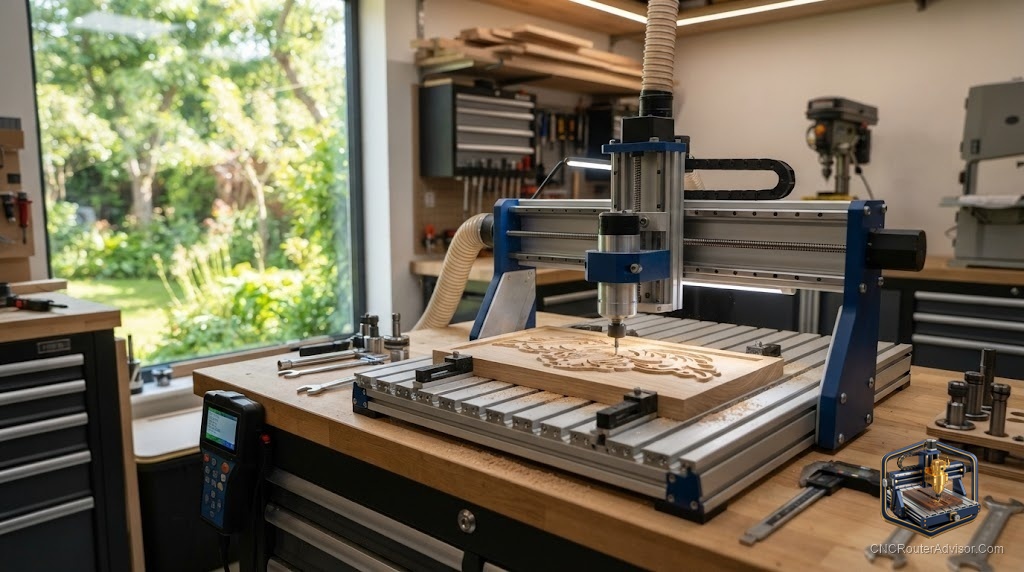
The phrase benchtop CNC router sounds self-explanatory until you realize that almost every hobby CNC machine sits on a bench. What the term actually connotes is a machine designed to be used on a workbench as its primary operating surface, with a compact footprint and a scale that makes bench-top operation genuinely practical rather than a compromise. Understanding what separates a true benchtop machine from simply a small machine placed on a bench helps you buy the right thing and set up your shop for it correctly.
A CNC benchtop router is a CNC router sized and designed to operate on a workbench or table as its permanent operating position, typically with a compact-to-mid work area, a footprint that fits most standard benches, and a build quality that suits sustained hobby and prosumer use in that position. It is distinct from floor-standing or overhead gantry machines and from machines so small that they are more accurately described as desktop engravers.
Here is the direct guidance: the benchtop class covers a wide range of capable machines from the compact entry tier through mid-size prosumer builds, and the defining factors are footprint, bench compatibility, and build quality sufficient for real woodworking and sign work. Two verified examples are noted below. The sections below cover what defines the class and who it suits.
What defines a benchtop CNC router
A true benchtop router has four defining characteristics. First, a footprint that fits on a standard workbench, typically under 600mm in depth, without overhanging the bench in operation. Second, a build quality that suits the vibration and use patterns of real cutting rather than occasional engraving. Third, enough work area for practical projects, generally 200x180mm minimum and up to 600x400mm or more in larger benchtop builds. Fourth, a weight manageable for one or two people to position on a bench, generally under 40 kilograms for solo handling. These are not hard limits but defining tendencies that separate the class.
Two verified benchtop machines
At the compact end, the Genmitsu 3018-PROVer V2 is a classic benchtop machine in the original sense: compact, light, and genuinely functional on a desk or workbench for signs, engravings, and light wood work. At the capable end, the FoxAlien Masuter Pro is a larger benchtop machine with more work area and a sturdier build for hobbyists and small shops who need more than the compact tier. Both fit on a standard bench; both are practical for real work rather than occasional decoration.
The bench itself matters
A benchtop router requires a rigid, flat surface to perform consistently. A wobbling or uneven bench transmits movement to the machine, which shows up as inconsistent cut depth and edge quality. If you are setting up a dedicated bench for a CNC router, prioritize stiffness and level surface over storage. Bolt or clamp the machine to the bench if the machine allows it, since even small resonance between the machine feet and the bench surface affects accuracy.
Who the benchtop class suits
Hobbyists, small sign shops, schools, and makers who want a capable, real CNC machine in a space-efficient form factor suited to a workshop bench rather than a dedicated floor space. Those who need to process full sheets regularly will outgrow the class; those who make signs, carvings, furniture parts, and similar work will find the benchtop class covers everything they need.
For the setup guidance specific to this form factor, see our guide to the table top CNC router.
Final verdict
A CNC benchtop router is defined by a bench-compatible footprint, practical work area, real build quality, and manageable weight, and it covers the vast majority of hobby and small-shop CNC work in wood and similar materials. The compact entry tier suits learning and light work; the larger prosumer tier suits serious hobbyists and small production. Both require a rigid, flat bench to perform consistently. Match the machine to the bench and the projects to the work area and the benchtop class is one of the most practical and productive places to start.
FAQ
What is a CNC benchtop router? A CNC router sized and designed to operate on a workbench, with a compact footprint, practical work area, and build quality suited to real cutting in hobby and prosumer use.
What work area do benchtop CNC routers have? From around 200x180mm for the smallest machines up to 600x400mm and beyond for larger benchtop builds. Match the work area to the largest part you cut regularly.
Does a benchtop CNC router need a special bench? A rigid, flat, level bench. Any vibration or unevenness in the bench transmits to the machine and affects cut quality. A solid workbench is better than a lightweight folding table.
Can a benchtop router handle hardwood? The compact entry tier handles thin softwood and light hardwood. A sturdier benchtop machine with linear rails and ball screws handles real hardwood more reliably. Match the machine’s rigidity to your wood.
Is a benchtop router the same as a desktop router? The terms overlap significantly. Benchtop emphasizes the operating position on a workbench; desktop emphasizes small size for desk or table use. In practice they describe the same class of compact-to-mid CNC machines.
What are the weight limits for a solo benchtop machine? A guideline of under about 40 kilograms for solo bench positioning is practical, though with a helper larger machines can be placed on benches. Consider the bench’s load rating as well.
References
- SainSmart Genmitsu, benchtop machine documentation: https://www.sainsmart.com/blogs/news
- FoxAlien, Masuter Pro documentation: https://www.foxalien.com
- Carbide 3D, benchtop and desktop machine guidance: https://carbide3d.com