CNC Router Operator Guide: Features, Specifications, and Buying Considerations
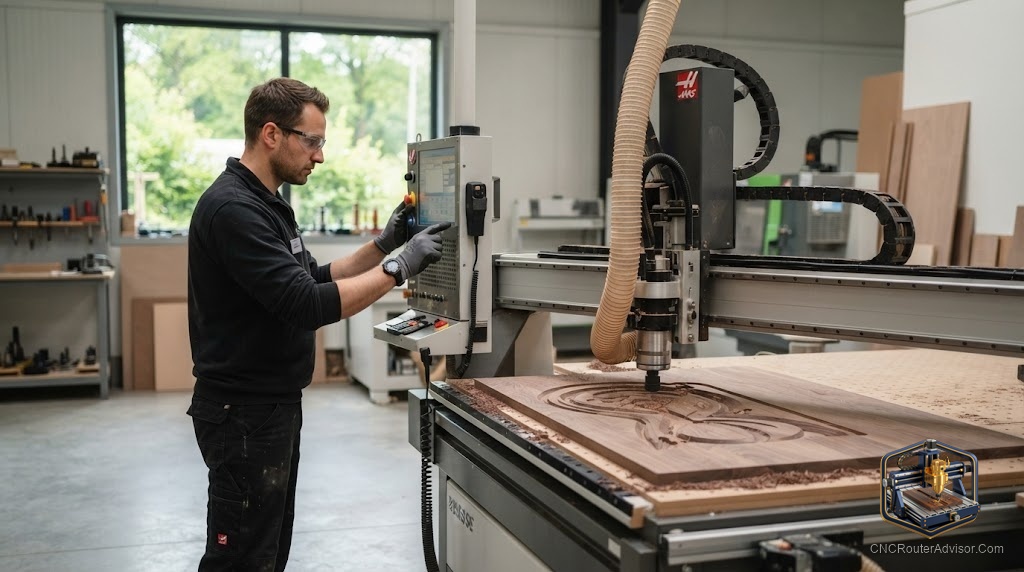
Behind every clean batch of parts is someone who knows how to run the machine well, and that skill is worth more than most people realize. A CNC router operator is part machinist, part programmer, part problem-solver, and the role sits at the point where a good design and a good machine either turn into good parts or expensive scrap. Whether you are hiring one, becoming one, or just want to run your own machine competently, understanding what the job actually involves is the place to start.
A CNC router operator is the person who sets up, runs, and monitors a CNC router to produce parts, handling everything from loading material and tools to running programs, checking quality, and troubleshooting. The role blends practical machine skills with an understanding of toolpaths, materials, and safety. Knowing the responsibilities and the skills involved helps you evaluate the job, train for it, or set up your own operation to run smoothly.
Short answer: a CNC router operator sets up the machine and material, loads and measures tools, runs and monitors programs, checks part quality, and troubleshoots problems, all while following safety practices. The core skills are understanding G-code and toolpaths, materials and tooling, machine setup and workholding, and quality control. For a home shop, being your own competent operator is what turns a capable machine into reliable results.
What a CNC router operator does
The role covers the whole run of a job:
- Setup. Prepare the machine, load and secure material with proper workholding, and set the work origin.
- Tooling. Install the correct bits, measure tool lengths, and confirm the tool table is right.
- Program handling. Load the G-code, verify it matches the job, and simulate or dry-run when appropriate.
- Running and monitoring. Start the job and watch the cut, listening and looking for problems like chatter, dull tools, or workholding issues.
- Quality control. Measure finished parts against specifications and adjust as needed.
- Troubleshooting. Diagnose poor finish, chatter, tool breakage, or dimensional errors and correct the cause.
- Maintenance. Keep the machine clean, lubricated, and in good working order, and manage dust collection.
- Safety. Follow safe practices throughout, from eye and ear protection to dust management.
Skills that matter
A capable operator combines several kinds of knowledge:
- Toolpaths and G-code. Understanding what the program tells the machine to do, and how to read and adjust it, is central.
- Materials. Knowing how wood, plastics, and soft metals behave under the bit guides feeds, speeds, and tooling.
- Tooling. Choosing the right bit and recognizing a dull or wrong tool.
- Machine setup and workholding. Squaring, zeroing, and holding material securely so parts come out accurate.
- Measurement and quality control. Using calipers and gauges to confirm parts meet spec.
- Problem-solving. Reading the signs of a bad cut and fixing the underlying cause.
The machine side: what to look for
If you are setting up a shop or buying a machine to operate, the same fundamentals that make any router good make an operator’s job easier:
- Rigidity for clean, reliable cuts.
- A quality spindle for long runs and consistent finish.
- Precise drives, ball or lead screws, for accuracy.
- A capable controller and software that make setup, simulation, and running straightforward.
- Good dust collection and workholding for a safe, efficient workflow.
- Strong support and documentation, so problems get solved fast.
A well-chosen machine reduces the friction in every task an operator performs.
Becoming a competent operator
Skill builds through practice and good habits:
- Start simple and learn each step, setup, tooling, running, and inspection, thoroughly.
- Simulate and dry-run new programs to catch errors safely.
- Keep records of settings that work for each material and tool.
- Learn from failures, diagnosing why a cut went wrong rather than just re-running it.
- Prioritize safety every session, since routers are powerful and unforgiving of carelessness.
The bottom line
A CNC router operator turns a design and a machine into finished parts, handling setup, tooling, program running, quality control, and troubleshooting, all under a constant discipline of safety. The role rewards understanding toolpaths, materials, tooling, and machine setup. Whether you are hiring, training, or running your own machine, being a competent operator is what makes a capable router deliver consistent, quality results instead of expensive mistakes.
FAQ
What does a CNC router operator do? Sets up the machine and material, loads and measures tools, runs and monitors programs, checks part quality, troubleshoots problems, and follows safety practices.
What skills does a CNC router operator need? Understanding of G-code and toolpaths, materials and tooling, machine setup and workholding, measurement and quality control, and problem-solving.
Do I need to know how to program to operate a router? You need to understand toolpaths and G-code well enough to load, verify, and adjust programs, even if the design work is done elsewhere.
How do I become a competent operator? Start simple, learn each step thoroughly, simulate new programs, keep records of good settings, learn from failures, and always prioritize safety.
What machine features make operating easier? Rigidity, a quality spindle, precise drives, a capable controller and software, good dust collection and workholding, and strong support.
How do operators ensure quality? By measuring finished parts against specifications with calipers and gauges and adjusting setup, tooling, or feeds to correct any deviation.
Is operating a CNC router dangerous? It carries real risks, so operators follow safety practices throughout, including eye and ear protection, dust management, and careful setup.
References
- CNCRouterInfo, how to choose a CNC router: https://cncrouterinfo.com/guides/how-to-choose-a-cnc-router/
- CNC Dad, best CNC router for beginners: https://www.cnc-dad.com/blog/best-cnc-router-for-beginners/