
Affordable CNC Router: Budget Options and Trade-Offs
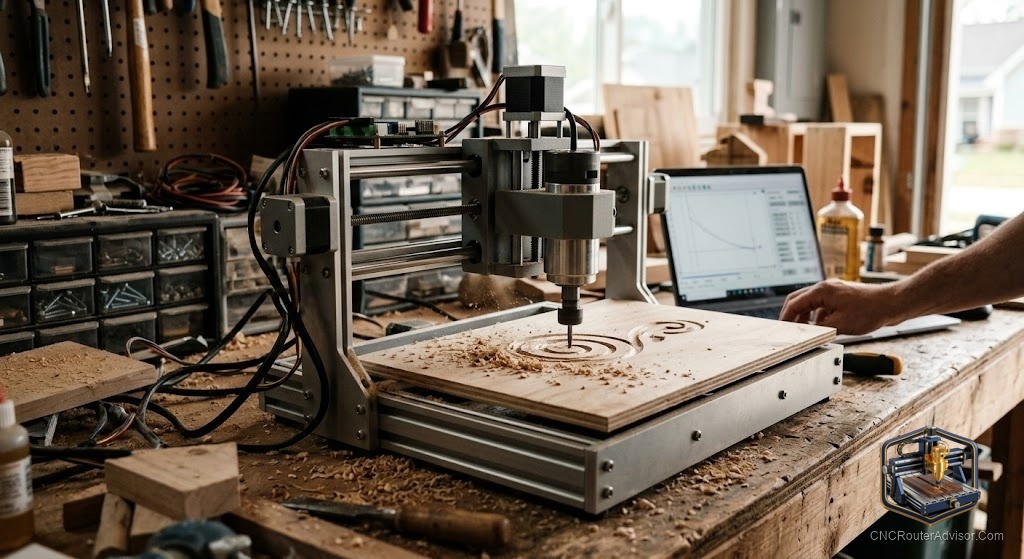
Buying a CNC router on a tight budget used to mean buying a machine that needed forgiveness for what it could not do. That has changed. The entry tier today is genuinely capable of real work, and a careful buyer can get a machine that cuts clean wood and plastic parts, runs well supported software, and teaches the craft without constant fights with the hardware. The mistake is still easy to make: buying on bed size or spindle numbers without checking rigidity, community, and support, and ending up with a machine that technically specs well but frustrates you daily.
This guide maps the honest budget tiers, what you actually get at each one, and the trade-offs to accept versus the ones to refuse.
What budget means in the CNC router market
Budget in this context covers the entry and lower mid range: the machines that are accessible without a large capital outlay but still produce real work. Across that range, the biggest dividing line is not price but support and rigidity. A well supported entry machine with a rigid frame and a common controller is far more valuable than a slightly bigger or more powerful machine with thin support and a flexible frame. The machines that dominate beginner recommendations year after year do so because the whole package holds up, not because any single specification wins.
Known platforms in this tier include the Genmitsu 3018 and 4040 series, the FoxAlien Masuter line, the BobsCNC Evo 4, and open community designs like the Maslow and PrintNC. Each has a different strength, and knowing which strength matches your work narrows the field fast.
The short answer
For a budget CNC router, buy the most rigid, best supported machine in your real price range, sized to your actual projects with a small margin. Frame rigidity and community support are non-negotiable at any budget tier. A smaller, stiffer machine cuts cleaner than a larger, flexible one. A machine with an active community solves problems fast. The common entry mistake is buying a machine with impressive numbers and no community, then spending weeks troubleshooting alone what a five minute forum search would fix on a supported platform.
The honest budget tiers
The entry level gets you a machine that cuts wood and soft plastic on a small to mid work area, with a GRBL controller and enough community that basic help is always available. The Genmitsu 3018 PROVer V2 is the landmark in this tier for small work, available at this listing.
The mid budget tier adds more work area, a stronger spindle, and better motion, and is where most serious hobby cutting happens. The Genmitsu 4040 PRO is a capable mid entry at this listing, and the Genmitsu PROVerXL 4030 steps up to a larger, rigid platform at this listing. The FoxAlien Masuter Pro is a well regarded alternative at this listing.
Community designs fill the upper budget edge. The BobsCNC Evo 4 is a wood frame kit with a strong user base, sold direct. The Maslow CNC uses a cable drive system for large sheet work at a very low cost, though with slower speed. The PrintNC is a steel tube open source design with an active community for builders who want rigidity and are willing to source parts.
Trade-offs to accept at budget
A smaller work area is the most common. Entry machines cap what you can make in one pass, and that is genuinely fine for most beginner work. Accept it, plan your projects within the bed, and upgrade when you have proven you need more.
A trim router spindle instead of a VFD is another. Louder, with less speed control, but perfectly adequate for wood and plastic. Accept it at entry tier and upgrade later if your materials demand it.
Lighter frames with less rigidity than a costly machine are the third. This means shallower passes, slower feeds in harder material, and more care with workholding. It is a real limit, not a fatal one.
Trade-offs to refuse at any budget
Never accept a machine with no community. A few dozen posts online is not a community. The machine that sells in high volume and has years of forum posts, documented setups, and active troubleshooting threads will save you hours when you hit a problem, and you will hit a problem.
Never accept a controller that does not run standard documented firmware. A closed system ties you to the brand’s software and leaves you stranded if support fades. GRBL based machines pair with widely supported tools that will outlast any specific vendor.
And never accept a machine that makes its bed size by gutting the frame. A large, flexible machine cuts worse than a small, rigid one. The rigid smaller machine wins every time in real work.
Who should skip the budget tier
Skip the entry tier if you already know you will cut large panels or furniture parts that need a bigger bed, because outgrowing a tiny machine in a month is the most common budget regret. Start at mid budget or save longer if your projects need a genuine work area. Skip it too if your main material is aluminum, because that calls for a rigid metal frame machine, not the lightest entry box.
Comparison: budget tier machines at a glance
| Machine | Best for | Strength | Main limit |
| Genmitsu 3018 PROVer V2 | Small wood, crafts | Community, ease | Small bed |
| Genmitsu 4040 PRO | Mid hobby work | Bigger bed, supported | Trim router spindle |
| Genmitsu PROVerXL 4030 | Larger hobby and light production | Rigid, large community | Still a desktop class machine |
| FoxAlien Masuter Pro | Mid hobby and signs | Solid frame, touchscreen | Community smaller than Genmitsu |
| BobsCNC Evo 4 | Large hobby work on wood budget | Work area, direct sale | Wood frame, less rigid |
The verdict
A budget CNC router can absolutely be a real tool if you buy the right one. The winning move is to resist headline specs and shop for frame rigidity and community support first, then size to your actual projects. The entry and mid tiers include genuinely capable machines backed by large communities, and a well chosen machine at this level will cut clean parts and teach you the craft without constant hardware frustration. Accept the limits that come with budget, refuse the ones that make a machine genuinely hard to use, and buy the most rigid, best supported machine your budget allows.
Frequently asked questions
What is a good entry level CNC router? The Genmitsu 3018 PROVer V2 is a classic small entry machine with a large community. For a bigger bed, the Genmitsu 4040 PRO and the FoxAlien Masuter Pro are strong mid budget options. All run GRBL and have active support.
Is a budget CNC router good enough for real work? Yes, for wood, plastic, and light engraving within the machine’s work area and material range. The key is buying one with genuine rigidity and community support, not just headline numbers.
Why does community support matter on a budget machine? Budget machines have quirks, and learning the craft produces questions. A platform with thousands of documented setups and active troubleshooting turns a stuck beginner into a cutting one in minutes, not days.
What is the biggest mistake when buying a budget router? Buying on bed size or spindle spec without checking frame rigidity and support. A large, flexible, unsupported machine frustrates beginners far more than a smaller, rigid, well supported one.
Can I cut aluminum on a budget router? On rigid metal-frame models, yes with care. On light entry machines, not reliably. For aluminum work, target the metal-frame tier even if it stretches the budget slightly.
Should I buy the biggest bed I can afford? Buy the bed your realistic projects need, plus a small margin. Paying for work area you will not use is money not spent on rigidity and quality, and a small rigid machine beats a large flexible one on most real jobs.
References
- CNC Router Info, Best Routers for Beginners: https://cncrouterinfo.com/routers/best-cnc-router-for-beginners/
- WorkshopCalc, Best CNC Routers guide: https://workshopcalc.com/guides/best-cnc-routers