CNC Routing Services Near Me: Finding and Choosing a Local Shop
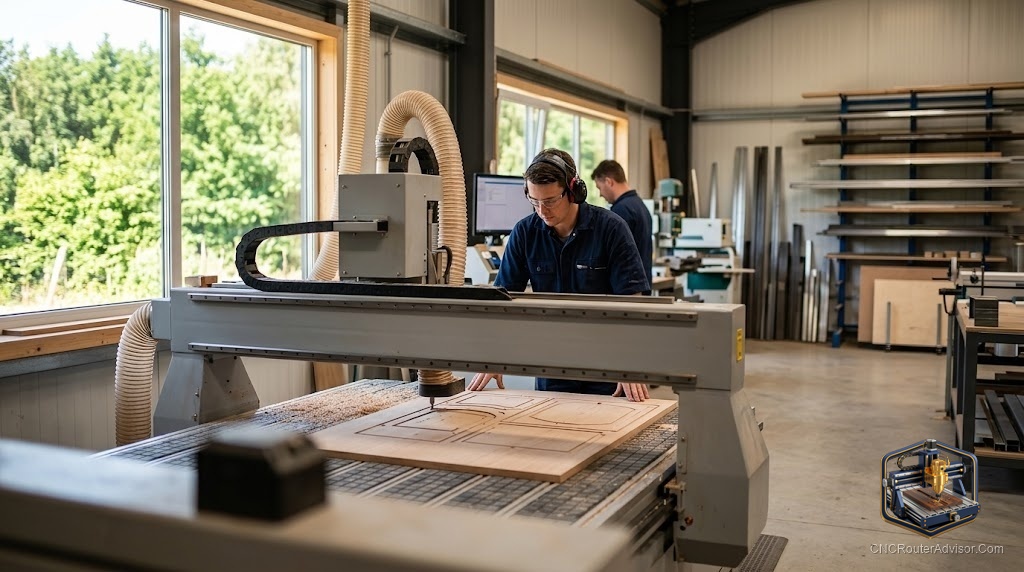
When you have a design ready and no machine to cut it, a local routing shop can turn your idea into a finished part within days. Searching “cnc routing services near me” is the natural next step, but the results rarely tell you which shop is right for your job. A cabinet shop, a sign maker, and a plastics fabricator may all own CNC routers, yet each is suited to very different work.
This guide helps you find a nearby shop that fits your specific part, ask the right questions before you commit, and get clean pieces back without wasted time or money.
Why local can be the right choice
A CNC router is a Computer Numerical Control machine that moves a spinning cutter across the X, Y, and Z axes to carve wood, plastics, and soft metals from a design turned into G-code. A local routing service owns that machine and cuts parts for you. Choosing local, rather than a distant online service, brings real advantages when your part is large, heavy, or fragile.
Local shops let you deliver material and collect finished parts in person, which saves shipping cost and risk on bulky pieces. You can often visit, see the machine, and discuss your design face to face, which catches problems early. And a nearby relationship pays off if you expect repeat work, since a shop that knows your projects can advise you faster each time. For big or ongoing jobs, proximity is a genuine benefit rather than a mere convenience.
The short answer
To find the right local routing service, match the shop’s specialty to your material and part size, confirm the machine can hold the tolerance you need, and ask to see samples before committing. Woodworkers and cabinet shops suit plywood and hardwood parts. Sign shops handle acrylic, foam, and signage. Fabrication shops with rigid machines handle plastics and aluminum.
Before you commit to a service relationship, do the math on volume. If you will need parts regularly, owning a machine often costs less over time, and a capable desktop router such as the Genmitsu 4040-PRO covers a wide range of projects: Check on Amazon . For occasional or oversized parts, a local shop remains the leaner choice.
Where to look for local shops
Start broader than a single search. Local makerspaces and community workshops often own CNC routers and either cut parts or let members do so. Cabinet and furniture shops take on outside routing work during slower periods. Sign shops cut signage materials daily. Plastics and metal fabricators handle technical parts. Woodworking clubs and local maker groups are also excellent sources of recommendations, since members have usually tried the nearby options and will tell you which delivered.
When you contact a shop, describe your part plainly: the material, the rough size, the quantity, and how it will be used. Their first response tells you a lot. A shop that asks good questions back is one that will likely deliver good parts.
Questions to ask before you commit
| Question | What a good answer sounds like |
| Do you cut my material? | Clear yes, with examples of similar jobs |
| What file formats do you accept? | Common formats, with guidance if yours differs |
| What tolerance can you hold? | A specific figure suited to your part |
| Can I see finished samples? | Willing to show real work in person |
| What is your turnaround and minimum? | Honest timeline and welcoming to your job size |
Inspect samples with your own eyes and hands. Look at edge quality, corner detail, and any carving. Ask how they secure parts during cutting, since solid workholding is what keeps edges clean and dimensions true. And confirm the minimum order, because a production shop may find a single small part uneconomical.
Getting the best result from a local shop
Arrive prepared and you will get better parts at a better price. Bring a clean design with real dimensions and a clear indication of pockets, profiles, and engraving. Choose your material deliberately, since plywood, MDF, hardwood, acrylic, and aluminum differ in cost and behavior. If you are unsure, describe the part’s job and let the shop recommend, because their real-world experience is the value you are paying for. Agree on tolerance and finish up front so expectations match on delivery day.
Who should skip the local service
Skip the local service if you expect regular work, since repeated per-job fees soon exceed the cost of a machine and you lose the freedom to iterate on your own schedule. Skip it too if no nearby shop handles your specific material, in which case a reputable online service or your own machine may serve you better than forcing a poor local fit. Use local shops for what they do best: large, heavy, urgent, or occasional parts where proximity genuinely helps.
The verdict
Finding “cnc routing services near me” works best when you match the shop to your part rather than picking the first result. Local shops shine for large or heavy pieces, in-person collaboration, and repeat relationships. Vet them by their specialty, their samples, their tolerance, and their willingness to advise. But keep the volume question in mind, because if you cut often, owning a machine usually wins on both cost and freedom. Choose local for the jobs where being close truly pays.
A good nearby shop is a lasting asset. Find one that fits your work, and you will return to it for years.
Frequently asked questions
Where can I find CNC routing services nearby? Check local makerspaces, cabinet and furniture shops, sign shops, plastics and metal fabricators, and woodworking clubs. Local maker groups often give the best recommendations.
How do I choose between nearby shops? Match the shop’s specialty to your material and part size, confirm the tolerance they can hold, and inspect finished samples in person before committing.
Is a local shop cheaper than an online service? For large, heavy, or bulky parts, local saves shipping cost and risk. For small parts, compare quotes, since an online service may still be competitive.
What should I bring to a local routing shop? A clean design with real dimensions, your chosen material, and the quantity. Confirm accepted file formats, tolerance, and finish expectations up front.
Can a local wood shop cut aluminum for me? Only if it has a rigid, metal-capable machine. Many wood-focused shops are not set up for metal, so confirm before assuming.
When should I buy my own machine instead? When you expect regular work. Repeated per-job fees soon exceed the cost of a modest machine, which also lets you iterate whenever you like.
References
- CNCRouterInfo, how to choose a CNC router: https://cncrouterinfo.com/guides/how-to-choose-a-cnc-router/
- CNC Dad, best CNC router for beginners: https://www.cnc-dad.com/blog/best-cnc-router-for-beginners/