CNC Routing Services: When to Hire, What to Expect, and How to Vet
Not everyone who needs CNC-cut parts should own a CNC router. That is a strange thing to read on a site about routers, but it is true, and pretending otherwise would waste your money. Sometimes the smart move is to hand your design to a shop that already owns the machine, the tooling, and the experience, and let them deliver finished parts while you focus on what you actually want to build.
This guide explains what CNC routing services do, when hiring one beats buying a machine, and how to judge a shop so you get clean parts on time instead of a frustrating back-and-forth.
What a CNC routing service is
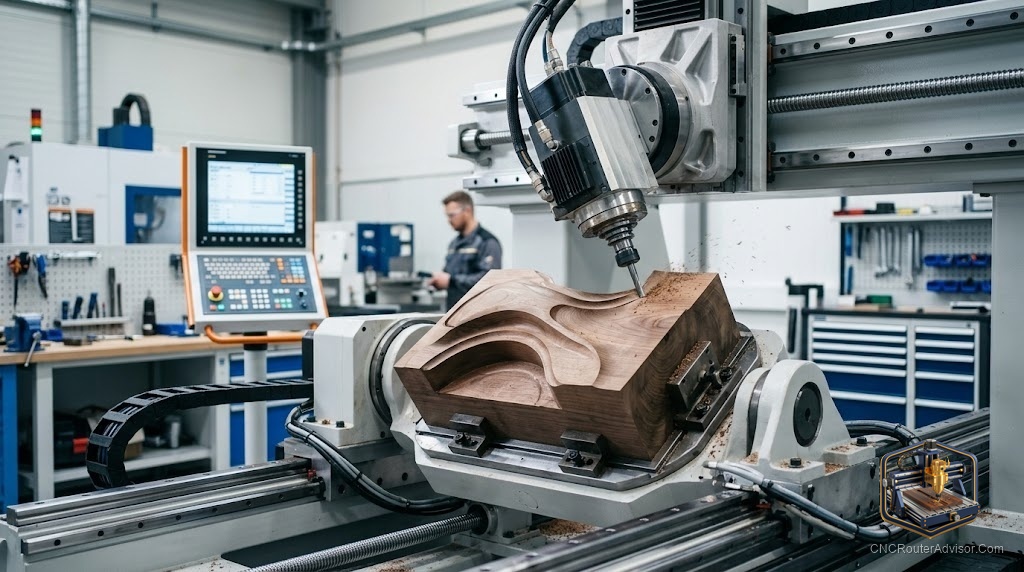
A CNC routing service is a shop that owns one or more CNC routers and cuts parts for customers for a fee. A CNC router is a Computer Numerical Control machine that moves a spinning cutter across the X, Y, and Z axes, following G-code, to carve wood, plastics, foam, and soft metals. When you hire a service, you supply a design or a clear idea and a choice of material, and the shop programs the job, runs it on their machine, and hands back finished pieces.
The value is not only the machine. It is the accumulated knowledge that comes with it. A good service knows which bit suits your material, how to hold your part so it does not shift, and how to avoid the tear-out and chatter that plague beginners. You are buying a result, not renting a machine, and for many projects that result is cheaper and faster than the learning curve of doing it yourself.
The short answer
Hire a CNC routing service when you need a small number of parts, a part too large for any machine you would own, a material you are not equipped to cut, or a quality of finish that demands real experience. Buy your own machine when you cut often enough that per-job fees add up, or when you value the ability to iterate quickly on your own schedule.
The deciding factor is volume. If you expect to cut parts regularly, owning even a modest machine soon costs less than repeated orders, and a capable desktop router like the Genmitsu 4040-PRO pays back quickly: Check on Amazon . If your need is occasional, a service is the leaner choice.
What to expect from a good service
A professional shop makes the process predictable. You send a design in a format they accept, they review it for manufacturability, and they quote based on material, cut time, and quantity. Expect them to flag features that are impractical, such as internal corners tighter than any bit can cut, and to suggest changes that make your part cheaper or stronger.
Expect clear communication about tolerance, the amount your finished part may vary from the design, and about finish, since a routed edge may need sanding for a visible surface. A good service will also tell you honestly if your job is better suited to a different process. That candor is a sign of a shop worth trusting, not one to avoid.
How to vet a routing service
| What to ask | Why it matters |
| Which file formats do you accept? | Avoids delays converting your design |
| What tolerance can you hold? | Confirms the part will fit its purpose |
| Which materials do you cut? | Not every shop handles metal or plastics |
| Can I see finished samples? | Shows real quality rather than claims |
| What is the turnaround and minimum order? | Tells you if small jobs are welcome |
Ask for samples you can inspect, and look closely at edges, corners, and any carved detail. Ask how they hold parts during cutting, since good workholding is the difference between crisp parts and shifted ones. And confirm the minimum order, because some shops geared toward production make small one-off jobs expensive.
Preparing your files and material choice
You get better results and lower quotes when you arrive prepared. Provide a clean design with real dimensions and a clear indication of which features are pockets, profiles, and engraving. State your material precisely, since plywood, MDF, hardwood, acrylic, and aluminum all behave differently and cost differently. If you are unsure which material suits your part, describe how it will be used and let the shop advise. Their experience with real jobs is exactly what you are paying for.
Keeping your own machine healthy if you own one
If you already own a router and are searching for services because yours is not performing, the fix may be maintenance rather than outsourcing. Rough cuts, lost steps, and chatter often trace back to a loose belt, a dull bit, a worn wasteboard, or debris in the linear motion. Keep the machine clean, check for play in the gantry, replace tired bits, and resurface the wasteboard when it becomes uneven. A well-maintained machine often matches the results people assume only a service can deliver.
Who should not hire a service
Skip the service if you cut parts regularly, since per-job fees quickly exceed the cost of owning a machine, and you lose the freedom to iterate on your own schedule. Skip it too if half the appeal of CNC for you is the making itself, because outsourcing removes the part many hobbyists enjoy most. Hire out the jobs that are too big, too rare, or too demanding for your setup, and keep the rest in your own shop.
The verdict
CNC routing services exist for good reasons, and using one is often the smarter, cheaper choice for occasional parts, oversized pieces, unfamiliar materials, or finishes that demand real experience. Vet a shop by its samples, its tolerance, its materials, and its willingness to give you honest feedback on your design. If your needs are regular, though, owning a machine wins on both cost and freedom, and basic maintenance keeps that machine cutting like the day you bought it.
Decide by volume and by how much you enjoy the making, and the choice between hiring out and owning becomes clear.
Frequently asked questions
When is hiring a CNC routing service cheaper than buying a machine? When your needs are occasional. For one-off parts, oversized pieces, or unfamiliar materials, a service costs less than a machine plus its learning curve. Regular cutting favors ownership.
What do I need to provide to a routing service? A clean design with real dimensions, your chosen material, and the quantity. Ask which file formats they accept and what tolerance they can hold.
How do I know if a routing service is any good? Inspect finished samples for clean edges and corners, ask about tolerance and workholding, and note whether they give honest feedback on your design.
Can a routing service cut metal? Some can, depending on their machines. Confirm they have a rigid, metal-capable router before assuming a wood-focused shop can handle aluminum.
Why are my own machine’s cuts getting worse? Common causes are a loose belt, a dull bit, an uneven wasteboard, or debris in the motion system. Basic maintenance often restores like-new results.
Is there a minimum order for routing services? Often yes. Production-focused shops may make small one-off jobs costly, so confirm the minimum before designing around a service.
References
- CNCRouterInfo, how to choose a CNC router: https://cncrouterinfo.com/guides/how-to-choose-a-cnc-router/
- CNC Dad, best CNC router for beginners: https://www.cnc-dad.com/blog/best-cnc-router-for-beginners/