
Used CNC Router Machines: Where to Find Them, What They Cost, and How the Market Works
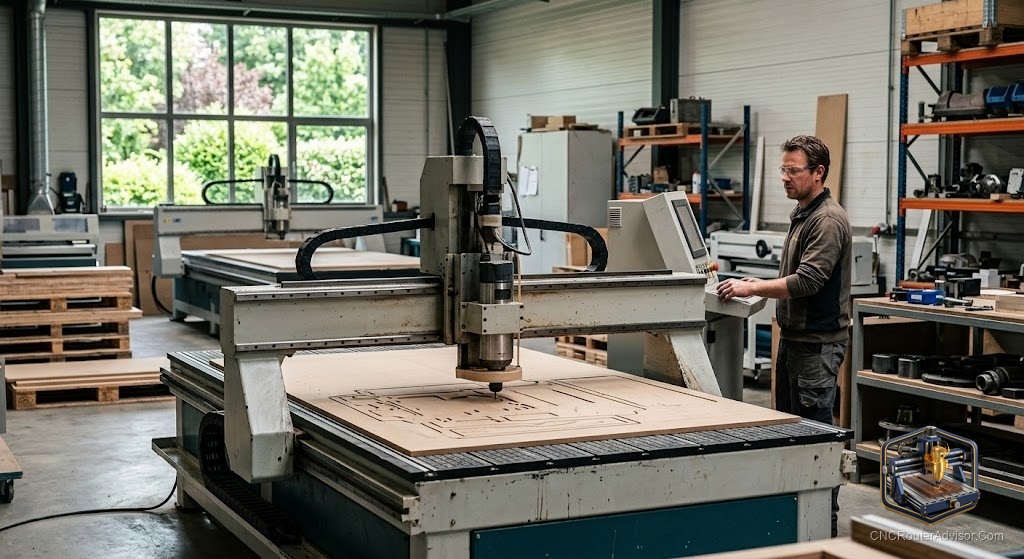
The used CNC router market is one of the more interesting secondary markets in manufacturing equipment, because the gap between new and used pricing is wide while the gap in capability is often narrow. A five-year-old commercial router that cut cabinet doors for a shop that upgraded to a newer model is functionally identical to a new one in most cases, and it arrives with spoilboard, tooling, and sometimes training materials included. The challenge is not finding used machines, it is understanding how the market is structured well enough to find the right one at the right price before someone else does.
Used CNC router machines are second-hand CNC routing systems available through private sellers, dealers, auctions, and online marketplaces. The market spans every class from entry hobby machines to full industrial production systems, and the buying experience, pricing logic, and inspection requirements differ substantially across those classes. Knowing where to look for the class you need and what to expect in each channel is what separates buyers who get strong machines at fair prices from ones who buy regret.
The short guide to the market: each machine class has its own natural channel, and buying in the right channel gives you better selection and fairer prices. Hobby and entry machines trade heavily on Amazon used, eBay, and Facebook Marketplace. Prosumer machines appear on eBay, CNC forums, and classified ads. Commercial and industrial machines are primarily on specialty platforms and through dealer networks. Match your search to the channel for the class, and you will find more of what you want.
How the market is structured by class
Entry and hobby machines (sub-$500 new). These appear frequently on Facebook Marketplace, Craigslist, and eBay, usually from owners who learned CNC, outgrew the machine, or lost interest. Prices are low because the machines are small, shipping is manageable, and the pool of buyers and sellers is large. Inspection for this class is low-stakes: a $150 used machine with worn belts is a $20 belt replacement, not a significant risk.
Prosumer machines ($1,000 to $5,000 new). These appear on eBay, in CNC community forums (Carbide 3D community, Onefinity community, Reddit r/hobbycnc), on Facebook Marketplace in areas with active maker communities, and occasionally on Craigslist. This class rewards quick action, because machines at fair prices at this tier move fast. Inspection matters more here: a $1,500 purchase with a worn spindle is a significant repair.
Light commercial machines ($5,000 to $30,000 new). This is where dedicated used machinery marketplaces become the primary channel. Machineseeker.com, Surplex, TradeMachines, and similar platforms list commercial CNC equipment with detailed specs and seller history. Dealer networks for brands like Laguna, ShopSabre, and MultiCam also have used inventory. Expect to travel to inspect machines at this tier, because the value justifies the trip and the risk justifies the inspection.
Industrial machines ($30,000 and above new). These trade primarily through specialty dealers, industrial auctions (BidSpotter, Hilco Industrial, Heritage Global), and manufacturer trade-in programs. This class requires professional inspection and often professional installation.
Price benchmarks and what drives them
Used CNC router prices are driven by three factors: age and condition, brand reputation and parts availability, and included accessories. A well-maintained machine from a brand with active parts availability holds value better than an obscure machine with obsolete electronics, even if they cut identically when new.
Some rough benchmarks from the current US market:
- Entry desktop machines: a fraction of new price, depending on condition
- Commercial gantry routers in good condition: commonly 40 to 60 percent of new price
- Industrial machines with documented maintenance: 30 to 50 percent of new price, lower if controller software needs updating
These are ranges, not guarantees. Regional supply and demand moves prices, and a machine in a market with few buyers will sell below these ranges while one with multiple interested buyers will not.
Getting notifications and moving quickly
Good used machines at fair prices in the prosumer tier sell within days, sometimes within hours of listing. Set saved searches on eBay with email notifications. Check CNC community forums and classified sections regularly. Follow buy/sell groups on Facebook for your machine brand. And have your transport and budget arranged before you are ready to buy, because the time to figure out how you will move a machine is before you find the right one, not after.
For the inspection process once you find a machine, our guides on used 4x8 and general used machine inspection cover the checklist in detail. Our guide on how to choose a CNC router helps confirm you are looking in the right class.
The takeaway: the used CNC router market has excellent opportunities in every class. Match your search to the right channel for your class, be ready to move quickly at the prosumer tier, and use the inspection framework that matches the machine’s value. The market rewards prepared buyers consistently.
Frequently asked questions
Where is the best place to find used CNC routers? Depends on the class: Facebook Marketplace and eBay for hobby and entry machines, CNC community forums and eBay for prosumer, Machineseeker.com and dealer networks for commercial, and industrial auctions for heavy industrial.
How much do used commercial CNC routers cost? Typically 40 to 60 percent of original new price for well-maintained machines in good condition, with significant variation based on age, brand, condition, and region.
How quickly do good used machines sell? In the prosumer tier, commonly within days of listing at a fair price. Being ready to inspect and transport quickly is a significant competitive advantage.
Is an auction a good way to buy a used CNC router? For industrial machines, often yes, but buyers at auction typically cannot run test cuts and must rely on condition reports and their own inspection, which increases risk. Know the machine’s value and inspect beforehand when possible.
Should I use a dealer or buy privately for a used commercial CNC router? Dealers add a margin but often provide inspection, limited warranty, and installation support. Private sales offer lower prices with more responsibility on the buyer for inspection and logistics.
What documentation should I ask for with a used CNC router? Maintenance records, software license documentation, original manuals, and any service history. A machine with good records gives you a much clearer picture of what you are buying.
References
- Machineseeker.com, used CNC machinery marketplace — https://www.machineseeker.com/
- eBay, used CNC router listings — https://www.ebay.com/
- Practical Machinist, used CNC purchasing forum — https://www.practicalmachinist.com/forum/