Second Hand CNC Router for Sale: New vs. Used and What to Check
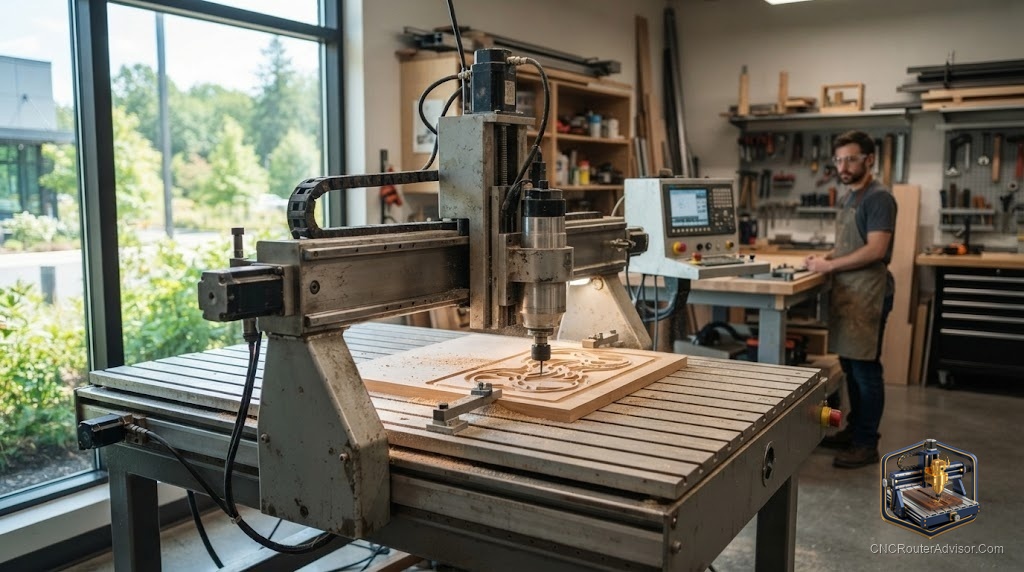
There is a moment every budget-minded buyer hits. A used CNC router pops up locally for a fraction of retail, and it looks like a shortcut to a machine you could not otherwise afford. Sometimes it is. Sometimes it is someone else’s headache with a fresh coat of shop dust. Knowing which one you are looking at is the whole game.
A second hand CNC router is any pre-owned machine sold by a hobbyist, a shop upgrading equipment, or a business liquidating assets. The upside is obvious: more machine for your money. The risk is equally real: worn components, missing software, orphaned electronics, and no warranty to fall back on.
Short answer: buy used if you can inspect the machine running, confirm the controller and software are intact and supported, and check the wear items like the spindle, bearings, and drive components. Buy new if you want a warranty, current support, and zero mystery about the machine’s history. A cheap used machine that needs a spindle and controller is not cheap.
New vs used at a glance
| Factor | New | Second hand |
|---|---|---|
| Price | Higher | Lower |
| Warranty | Yes | Rarely |
| Support | Current | Depends on brand |
| Known history | Full | Often unknown |
| Software included | Yes | Sometimes missing |
| Wear on parts | None | Varies widely |
Why people sell
Understanding the reason behind a sale tells you a lot. A hobbyist upgrading to a bigger machine is a good sign. A business dumping several identical units may be liquidating after heavy production use. Someone selling a barely-touched machine cheaply might have hit a wall they could not solve, which could be a setup issue or a real fault. Ask directly why it is for sale and listen for a straight answer.
What to check before you buy
See it cut. The single most important step. A machine that powers on and homes cleanly, then cuts a test file without stalling, has proven its motion system, controller, and spindle all work together. Refuse to buy any machine the seller will not run in front of you.
Spindle and router. Listen for smooth, even running with no grinding or wobble. A worn spindle bearing or a tired trim router is a common and sometimes costly replacement.
Drive components. Check the ball screws or lead screws and the linear rails for rust, grit, and play. Grab the gantry and try to wiggle it. Excess slop means worn bearings, anti-backlash nuts, or V-wheels. Some play is adjustable, some means new parts.
Controller and electronics. Confirm the controller brand and that it still has support and available firmware. An orphaned proprietary controller with no updates or replacements can strand you if it fails. GRBL-based and mainstream controllers are far safer bets.
Software and licenses. Ask what design and CAM software is included and whether the license transfers. Some machines ship with software tied to the original owner, leaving you to buy your own.
Frame and rigidity. Look for cracks, bent extrusion, or amateur repairs. A tweaked frame is hard to fix and affects every cut.
Completeness. Confirm you get the controller, cables, pendant, clamps, collets, and any dongles. Missing pieces add hidden cost.
Red flags
- The seller will not power it on or cut a test piece.
- A proprietary controller with a dead support channel.
- Visible rust on rails and screws, which signals poor storage.
- No software and no clear path to get it.
- A price that seems too good with a vague explanation.
Where used machines come from
Hobby machines from established brands hold value and support well, which makes them safer used buys because parts and community help still exist. Generic imports can be bargains but often lack any support channel, so you inherit whatever the previous owner left behind. Industrial machines from a closed shop can be excellent value if you have the space, power, and skills to recommission them.
The bottom line
A second hand CNC router can be a smart buy or an expensive lesson. The deciding factors are simple: watch it cut, confirm the controller and software are alive and supported, and inspect the wear items. If those check out, used delivers real value. If the seller dodges a live demo or the electronics are orphaned, walk away and keep looking.
FAQ
Is a used CNC router worth it? Often yes, if you can inspect it running and the controller and software are supported. The savings are real when the machine is sound.
What is the most expensive part to replace? The spindle and the controller are the two that can erase your savings, so check both closely.
How do I test a machine I cannot see in person? Ask for a video of it homing and cutting a test file, plus clear photos of the rails, screws, and controller. If the seller refuses, treat it as a red flag.
Should I worry about an old controller? Yes if it is proprietary with no support or firmware. Mainstream and GRBL-based controllers are much safer.
Does software transfer with a used machine? Not always. Confirm which licenses are included and whether they transfer before you agree on price.
How much wiggle in the gantry is acceptable? A tiny amount is normal and often adjustable. Noticeable play means worn drive or guide parts you may need to replace.
New or used for a first machine? If you value support and simplicity, buy new. If you can inspect carefully and want more machine for the money, used can be excellent.
References
- CNCRouterInfo, how to choose a CNC router: https://cncrouterinfo.com/guides/how-to-choose-a-cnc-router/
- CNC Dad, best CNC router for beginners: https://www.cnc-dad.com/blog/best-cnc-router-for-beginners/