CNC Router Machine for Sale: New vs. Used and What to Check
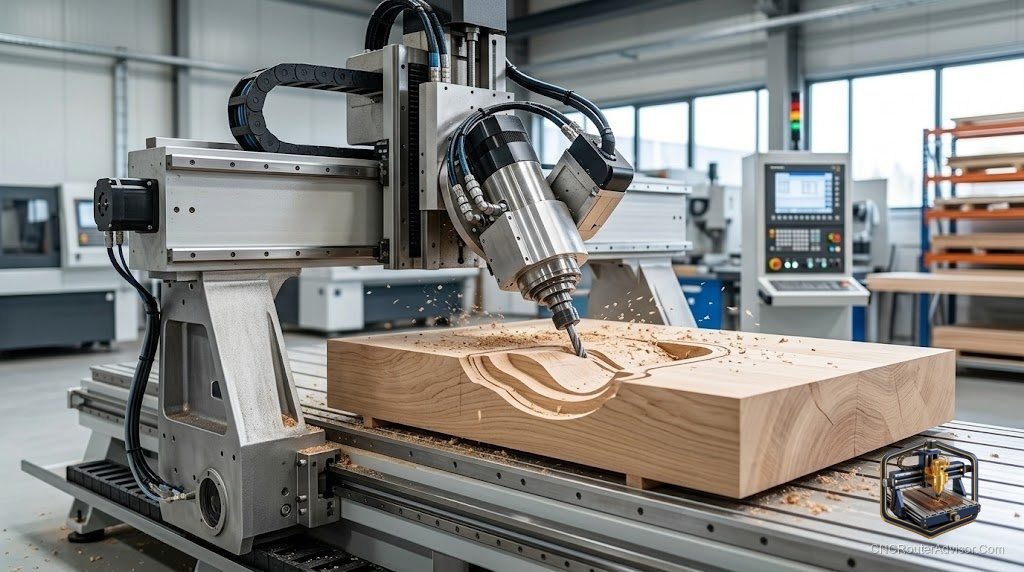
A listing photo is a generous liar. The machine looks clean, the spindle gleams, the seller swears it ran last week, and none of that tells you whether the ball screws are worn, the controller is a decade out of support, or the gantry racked itself out of square in a move. Buying a CNC router, new or used, rewards the person who knows exactly what to inspect and punishes the one who buys the photo. Before you send money, you need a checklist.
When a CNC router machine is for sale, the core decision is new versus used, and the right choice depends on your tolerance for setup and risk: new buys support, warranty, and a known state, while used buys more machine for less outlay at the cost of unknown wear and dated electronics. This guide covers when each makes sense and precisely what to check before you commit.
When new is the right call
Buy new if you want the machine to be a tool, not a project. New gets you a warranty, current electronics, a supported software chain, and a seller who answers questions during the frustrating first month. For a beginner especially, that support is worth a great deal, because you cannot yet tell a machine problem from a setup mistake. New also means known provenance: no mystery wear, no missing parts, no previous owner’s failed modification to undo.
When used is the smart buy
Buy used if you are comfortable diagnosing and tuning, and you want more rigidity and work area than a new machine at the same outlay. The used market is full of capable machines sold by people who overbought or changed direction. A well kept prosumer or industrial machine can be a genuine bargain. The catch is that you inherit its history, good and bad, so your inspection has to be thorough.
The inspection checklist
Whether in person or over video, work through this before you buy any used machine:
- Frame and gantry square. Check that the machine is square and the gantry has not racked. Out-of-square is fixable but tells you how it was treated.
- Motion system wear. Feel for play in the ball screws or lead screws and check linear rails and V-wheels for slop, notchiness, or grooving. Backlash is the quiet killer of accuracy.
- Spindle health. Listen for bearing noise, check for runout, and confirm the VFD and cooling work. A failing spindle is a major cost.
- Controller and electronics age. A machine tied to old parallel-port Mach3 and an ancient PC may be hard to keep running. Ask what software and controller it uses and whether parts are still available.
- Completeness. Confirm you get the controller, cables, power supply, collets, wrenches, and any dongle or license the software needs. Missing proprietary parts can be costly or impossible to replace.
- See it cut. The single best test is to watch it make a real cut. A machine that cuts a clean test part in front of you has passed the hardest inspection there is.
Hidden costs that follow a cheap machine
The purchase price is rarely the whole story on a used machine. Budget for a new spindle or bearings if the old one is tired, replacement collets and wrenches, a modern controller if the electronics are obsolete, a compatible computer, and shipping or rigging for anything heavy. A large industrial machine also needs the right electrical service and floor space. Add those up before you decide the bargain is a bargain.
The honest verdict
New is the right answer for beginners and anyone who wants a supported tool from day one. Used is the right answer for confident buyers who want more machine per dollar and can inspect and tune. Either way, the decision is won or lost on the checklist: square frame, tight motion, healthy spindle, supportable electronics, complete accessories, and a live test cut. Buy the inspection, not the photo, and you will get the machine you think you are getting.
Frequently asked questions
Should I buy a new or used CNC router? New if you want warranty, support, and a known state, which suits beginners. Used if you can inspect and tune and want more machine for less, accepting unknown wear.
What is the most important thing to check on a used machine? Watch it make a real cut. A clean test part proves the frame, motion, spindle, and controller all work together, which no photo can show.
How do I check for motion system wear? Feel for play and backlash in the screws, and inspect rails and V-wheels for slop, notchiness, or grooving. Backlash quietly destroys accuracy.
Why does the controller age matter? Old parallel-port controllers may need an obsolete PC and hard-to-find parts. A modern USB or standalone controller is far easier to keep running.
What accessories should come with the machine? Controller, cables, power supply, collets, wrenches, and any software dongle or license. Missing proprietary parts can be expensive or impossible to replace.
What hidden costs come with a used machine? Possible spindle or bearing replacement, new collets, a modern controller, a compatible computer, and shipping or rigging. Large machines also need proper electrical service.
Is a used industrial machine a good deal for a hobbyist? Sometimes, but factor space, electrical needs, rigging, and the cost of parts. A capable machine you cannot power or move is not a bargain.