
Cheap CNC Router: How to Buy Smart Without Getting Burned
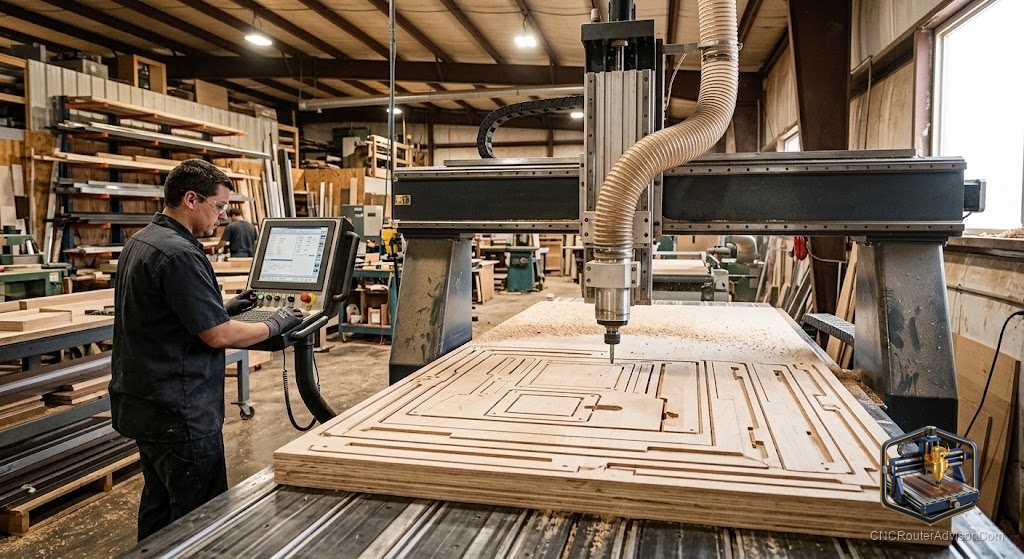
There is a right way and a wrong way to buy a cheap CNC router, and the difference costs real money. Done well, a budget machine gets you cutting, learning, and making for a fraction of a premium machine’s price. Done badly, it leaves you with a flexing, chattering disappointment that wastes material, breaks bits, and gets shoved in a corner within months. The machines are often similar on paper. The buyer’s judgment is what separates the two outcomes.
This guide compares the popular cheap options honestly, flags the traps, and shows you how to spend a small budget so it actually pays off.
What “cheap” gets you today
A CNC router is a Computer Numerical Control machine that moves a spinning cutter across the X, Y, and Z axes, following G-code, to carve wood, plastics, and soft metals. The good news is that cheap machines today are genuinely capable, far better than the budget machines of a few years ago. The entry tier now includes machines rigid enough to make real signs, boxes, and small parts, with communities large enough to support beginners well.
The catch is that “cheap” spans a wide range, from capable value machines to flimsy traps that cannot hold accuracy. The price tags look similar, so the burden is on you to tell them apart. The rest of this guide gives you the criteria to do exactly that, so your budget buys capability rather than regret.
The short answer
Buy a cheap CNC router by prioritizing rigidity, reliable motion, and a strong support community, and accept a small work area as the trade. Favor proven models with large user bases over unknown bargains, and budget a little for quality bits and dust control. A capable value machine beats a flimsy one at the same price every time.
The reliable value picks cluster around a few names. For learning, the Genmitsu 3018-PROVer V2 is the classic low-risk start: Check on Amazon . For more room, the 4040-PRO holds strong value: Check on Amazon . VEVOR and FoxAlien also compete well, with the FoxAlien Masuter Pro a popular budget choice: Check on Amazon
Comparing the popular budget options
| Machine | Best for | Watch for |
| Genmitsu 3018-PROVer V2 | Learning, small parts | Small work area |
| Genmitsu 4040-PRO | Larger budget woodworking | Trim router noise |
| FoxAlien Masuter Pro | Value work area | Confirm rigidity for your material |
| VEVOR budget routers | Lowest entry cost | Support varies, check community |
All of these can produce good work in the right hands. The differences that matter are rigidity for your intended material, the size of the support community, and whether the seller stands behind the machine.
The traps that burn budget buyers
The classic mistake is chasing the lowest price into an orphan machine with no community and no support, where one problem can stall you for weeks. The second is buying for a big work area on a flimsy frame, which gives you the size to attempt projects and the flex to ruin them. The third is forgetting the extras, since a cheap machine still needs quality bits, workholding, and dust control to be usable. A machine bought at the very bottom of your budget with nothing left for essentials is a false economy. Spend a little more on rigidity and support, and keep some budget for what makes the machine actually work.
Making a cheap machine perform
A budget machine rewards good habits. Assemble it carefully and square, since a poorly built cheap machine cuts far worse than it needs to. Add a few quality bits rather than relying only on the bundled ones, because good tooling improves results more than most upgrades. Set up basic dust control with a shoe and shop vac, and use solid workholding so parts do not shift. Take shallow passes to work within the lighter frame’s limits. With care, a cheap machine cuts cleanly enough to surprise people, and the skills you build transfer to any machine you buy later.
Who should not buy cheap
Skip the cheap tier if you need production reliability, full-sheet capacity, or the rigidity for serious hardwood and metal, because a budget machine cannot deliver those and forcing it leads to a quick replacement. Skip the very cheapest unknown machines entirely, since the lack of support can cost more than you saved. And if your projects genuinely demand more, stretch to a machine that meets them rather than fighting a flimsy one. Buy cheap to learn and to make modest parts, not to shortcut real capability you actually need.
The verdict
A cheap CNC router can be a smart buy or a costly mistake, and your judgment decides which. Prioritize rigidity, reliable motion, and a strong support community, accept a small work area, favor proven models over unknown bargains, and keep budget for quality bits and dust control. Avoid the traps of orphan machines and flimsy big-bed routers, assemble carefully, and work within the machine’s limits. Do that, and a budget machine gets you genuinely cutting and learning for very little. Buy cheap wisely, and it pays off. Buy cheap carelessly, and you pay twice.
The bargain is real only when the machine actually works for you. Spend where it counts, and a cheap router earns its keep.
Frequently asked questions
Are cheap CNC routers any good? Many are genuinely capable today, far better than budget machines of the past. The key is choosing a rigid, well-supported model rather than the lowest-priced unknown.
What is the biggest mistake when buying cheap? Chasing the lowest price into an orphan machine with no support, or buying a big work area on a flimsy frame. Both lead to frustration and quick replacement.
Which cheap CNC routers are reliable? Genmitsu models like the 3018-PROVer V2 and 4040-PRO are value benchmarks, with FoxAlien and VEVOR also competing. Community support is part of their reliability.
Can a cheap machine cut hardwood? A rigid budget machine cuts hardwood with shallow passes and sharp bits. The lightest frames struggle, so prioritize rigidity if hardwood matters to you.
What else should I budget for? Quality bits, workholding, and basic dust control. A cheap machine with nothing left for essentials is a false economy, since these determine whether you can use it.
When should I avoid cheap machines? When you need production reliability, full-sheet capacity, or serious hardwood and metal rigidity. Budget machines cannot deliver those, so stretch to a suitable one instead.
References
- CNCRouterInfo, best CNC router for beginners: https://cncrouterinfo.com/routers/best-cnc-router-for-beginners/
- WorkshopCalc, best CNC routers guide: https://workshopcalc.com/guides/best-cnc-routers