Cutting Aluminum on CNC Router Guide: Tooling, Speeds, Workholding, and Finish Quality
The leap from cutting wood to cutting aluminum feels bigger than it is. Aluminum has a reputation for eating end mills and frustrating beginners, and it will do both if you treat it like wood. But approached with the right technique, a hobby CNC router cuts aluminum cleanly and predictably. The secret is not brute force, it is understanding what aluminum wants: sharp tooling, the right chip load, lubrication, and a machine held steady. This guide walks through the actual process of cutting aluminum well.
Aluminum’s one rule: keep the chips moving
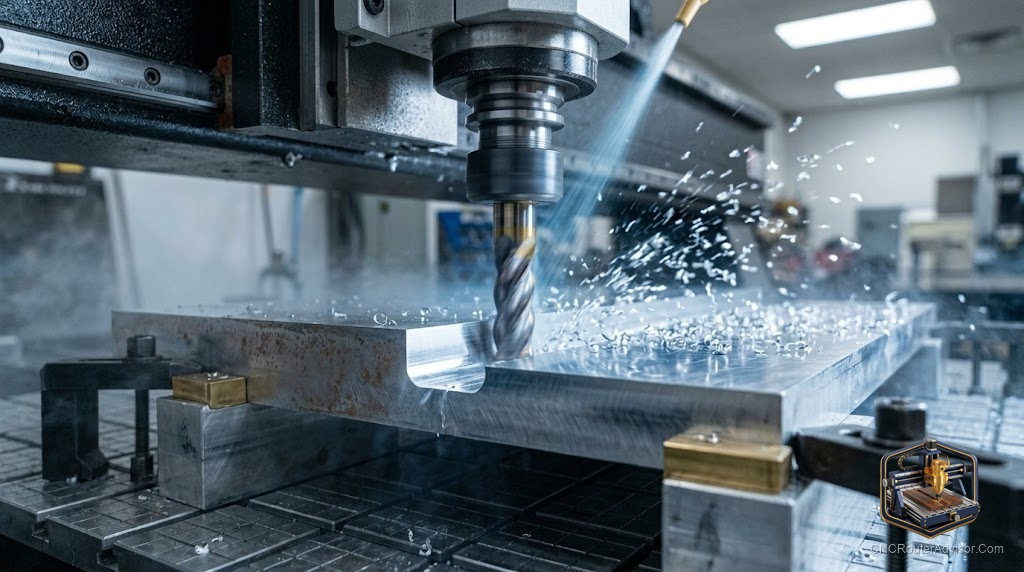
If you remember one thing about cutting aluminum, make it this. The chips must clear the cut. When chips stay in the flutes, they weld to the tool, and a tool packed with welded aluminum stops cutting and breaks. Everything about aluminum technique, the tooling, the feeds, the lubrication, serves the goal of forming a clean chip and getting it out of the way. Once you internalize that, aluminum stops being mysterious.
Tooling for aluminum
Reach for single-flute end mills. The wide flute gives each chip room to form and eject, which is exactly what aluminum needs. Keep the tool sharp, since a dull end mill rubs, generates heat, and welds up fast. Hold the tool in a true collet, because runout in metal shortens tool life quickly. A quality ER11 collet set covering 1/8 inch and 1/4 inch shanks fits common hobby end mills and keeps the cutter running true, which matters far more in aluminum than in wood.
Speeds, feeds, and chip load
Aluminum wants a real chip load. The instinct to slow the feed way down is exactly wrong, because a slow feed makes the tool rub rather than cut, building heat until the tool fails. Instead, keep the tool moving so each flute takes a proper bite, and take shallower depths of cut to keep forces manageable on a lighter machine. A healthy aluminum cut sounds crisp and throws small dry chips. A squealing or screaming cut is a warning to change something before the tool breaks.
Lubrication and cooling
Lubrication is not optional in aluminum. It helps chips release, keeps the tool cool, and prevents the welding that ruins tools and finish. A mist coolant setup, a steady drip of cutting fluid, or careful use of WD-40 on lighter cuts all help. A cold air gun is another good option, blowing chips clear and pulling heat from the cut without soaking the machine. Whichever you choose, do not run aluminum bone dry on anything but the lightest passes.
Workholding
Aluminum cutting forces are higher than wood, so workholding has to be serious. A part that shifts destroys the tool and can become a projectile. Use a vise for smaller parts, solid clamps at the corners, or a fixture plate, and confirm nothing can move before you start. Rigidity in the setup, not just the machine, is what prevents the chatter that breaks tools and mars the surface.
Finish quality
That bright, clean machined look comes from the combination of a rigid setup, sharp single-flute tooling, correct chip load, and steady lubrication. Finish with a light pass that removes only a small amount of material, cleaning up the walls and leaving a smooth surface. If the finish looks torn or fuzzy, work back through the causes: a dull tool, chips not clearing, or the machine flexing under too aggressive a cut.
Choosing a machine that can handle it
Aluminum rewards rigidity, so a stiffer machine cuts it more happily. The FoxAlien Masuter Pro is a common hobby choice for stepping into aluminum, and the heavier Genmitsu PROVerXL 4030 offers more frame rigidity for more confident metal cutting. On any hobby machine, respect the lighter depth of cut and let the machine work at a pace it can hold.
Aluminum, demystified
Cutting aluminum on a CNC router is completely achievable once you stop fighting the material. Keep the chips moving with single-flute tooling and a real chip load, lubricate the cut, hold the work rock-solid, and finish with a light pass. Do that, and the router that started life cutting plywood will hand you clean aluminum parts that genuinely impress.