
CNC Router Metal Cutting Guide: Tooling, Speeds, Workholding, and Finish Quality
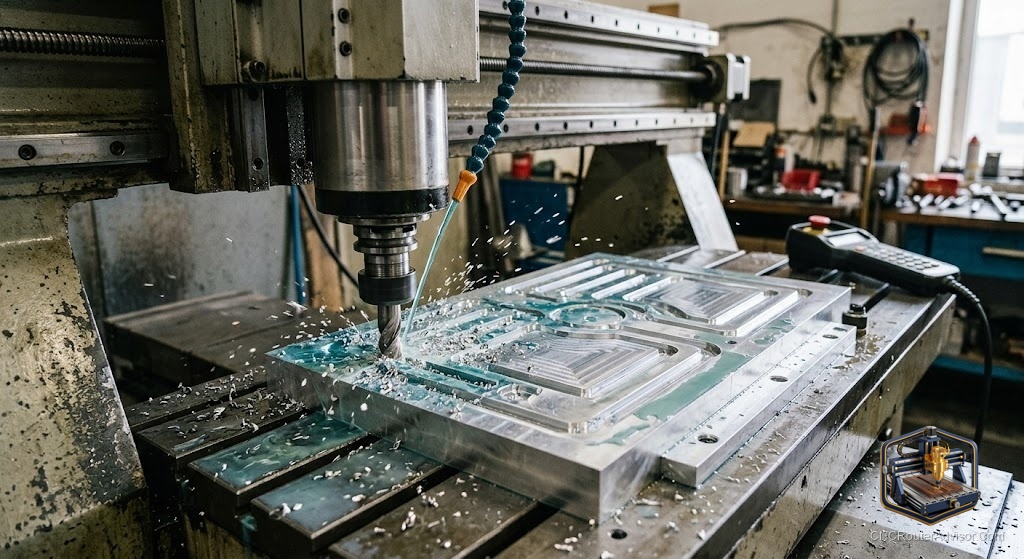
The first time you watch a CNC router carve a clean pocket into a block of aluminum, something clicks. The machine that spent its early life cutting plywood signs suddenly feels like a small manufacturing cell. Getting there, though, is less about buying the most expensive machine and more about respecting what metal demands. Aluminum forgives almost nothing. It grabs dull tools, welds itself to flutes, and punishes any frame that flexes. This guide walks through the parts that actually matter when you want a router to cut metal reliably.
What separates a metal-capable router from a wood machine
Wood cutting hides a lot of sins. Metal exposes every one of them. The single biggest factor is rigidity. When the frame flexes under load, the tool chatters, and chatter in aluminum means broken end mills and gouged surfaces. Look for a steel frame or heavy aluminum extrusion, supported ball screws or lead screws rather than belts on the cutting axes, and proper linear rails instead of wheels riding on extrusion.
The second factor is the spindle. A trim router turning at a fixed high RPM can cut aluminum, but a VFD spindle with real speed control lets you slow down to the range where aluminum wants to be cut. Spindle power in the 700W range and up gives you the headroom to take deeper passes without stalling.
If you are shopping for a machine that can genuinely step into aluminum, the Genmitsu PROVerXL 4030 is a common starting point because of its heavier frame and larger work area, and the FoxAlien Masuter Pro is another popular choice for hobbyists who want to move beyond wood without jumping to industrial pricing.
Tooling for metal
Single-flute end mills are the default for aluminum on hobby machines. The wide flute gives each chip somewhere to go, and chip evacuation is the whole game with aluminum. When chips stay in the cut, they melt, stick to the tool, and ruin both the flute and the finish. Keep tools sharp, and treat a dull end mill as a hazard rather than a way to save money.
Hold those tools in a quality collet. A worn or cheap collet introduces runout, and runout in metal shortens tool life fast. A dependable ER11 collet set covering 1/8 inch and 1/4 inch shanks covers most hobby end mill sizes and keeps the tool running true.
Feeds, speeds, and keeping things cool
Aluminum likes a real chip load. Rubbing instead of cutting generates heat, and heat is the enemy. Aim to keep the tool moving with a meaningful feed rate so each flute takes a proper bite. Pair that with lubrication. A mist coolant setup, a steady drip of cutting fluid, or even careful application of WD-40 on lighter cuts helps chips clear and keeps the tool from welding up. A cold air gun is another way to blow chips clear and pull heat out of the cut without soaking your machine in fluid.
Start conservative, listen to the cut, and adjust. A healthy aluminum cut sounds crisp and throws small dry chips. A screaming or squealing cut is telling you to change something before the tool breaks.
Workholding
Metal cutting forces are higher than wood, so workholding has to be serious. Clamps at the corners, a vise for smaller parts, or a fixture plate all work as long as the part cannot shift. A part that moves mid-cut destroys the tool and can throw material. Take the extra minute to lock things down properly.
Finish quality
Good finish in aluminum comes from the combination of a rigid setup, sharp single-flute tooling, correct chip load, and lubrication. A light finishing pass that removes only a small amount of material cleans up the walls and leaves that bright machined surface people associate with real metalwork. If your finish looks torn or fuzzy, the usual culprits are a dull tool, poor chip evacuation, or a machine flexing under too aggressive a cut.
Setting expectations
A hobby CNC router will cut aluminum, brass, and softer metals well when you set it up thoughtfully. It is not a mill, and pushing it like one leads to broken tools and frustration. Respect the smaller depth of cut, let the machine work at a pace it can hold, and you can produce parts that genuinely surprise people who assumed routers were only for wood.