
CNC Router for Aluminium: Machine Features, Tooling, and Buying Advice
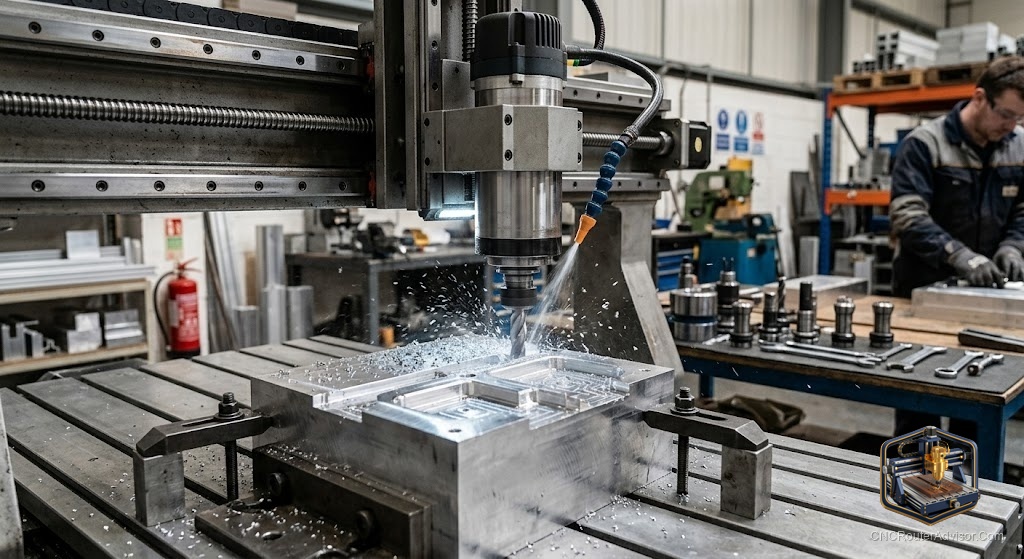
British workshops ask the same question as American ones, just with a different spelling: can a CNC router cut aluminium, and if so, which machine and which bits? The short answer is yes, most rigid hobby and prosumer routers can handle aluminium with the right setup. The longer answer is that aluminium rewards getting the fundamentals right more stubbornly than wood does, and the fundamentals are the same on both sides of the Atlantic: a bit that clears chips, a feed rate that cuts rather than rubs, and workholding that does not move.
A CNC router for aluminium is a gantry-based computer-controlled machine used to cut, slot, and profile aluminium sheet, flat bar, and extrusion. Aluminium is a soft, non-ferrous metal, which means a router with adequate frame rigidity and the right carbide tooling can machine it at practical speeds without specialist equipment.
Short answer for UK buyers: choose a router on rigidity first, not table size. An all-metal frame with lead screws or ball screws gives far better aluminium results than a larger but flimsy belt-drive machine. Pair it with single-flute carbide tooling made for non-ferrous metal, run a lower spindle RPM than for wood, and clear chips constantly.
Why aluminium is different from wood
Aluminium is soft, which is misleading. Its problem is not hardness but heat and stickiness: run a bit too fast with too little feed, and chips weld to the cutting edge instead of clearing. The result is a smeared, melted-looking edge and usually a snapped bit. Every correct aluminium technique, fewer flutes, lower RPM, real feed rate, constant chip clearing, aims at one goal: cut and clear, do not dwell and rub.
Machine features that matter
Frame rigidity matters most. A machine that flexes under load in wood will chatter badly in aluminium. Look for an all-metal or heavy-extrusion frame, ball screws or lead screws rather than belts, and a spindle with enough continuous-duty rating to hold consistent speed under cutting load. A VFD spindle is the preferred choice for aluminium because it holds speed steadily under the sustained engagement that metal requires.
Tooling: single-flute carbide first
For aluminium, a single-flute (O-flute) solid carbide end mill is the starting point. The single flute maximises chip clearance, which matters more than surface finish in the first instance. For a better finish once the cut is running clean, move to two-flute non-ferrous carbide. Avoid multi-flute wood bits in aluminium: they pack chips and gum immediately.
Feeds, speeds, and cooling
Run a lower spindle speed than for wood, paired with a feed rate that loads the cutting edge. Start conservative, listen, and adjust one variable at a time. A clean aluminium cut sounds steady and throws small, bright chips. A high-pitched scream with fine powder means rubbing.
For cooling: a compressed air blast at the cut is enough for light aluminium work. A mist or light WD-40 spray improves tool life on longer cuts.
Workholding
Aluminium does not forgive movement. A part that shifts mid-cut grabs the bit and usually breaks it. Clamp firmly, use more hold-down points than feels necessary, and leave tabs on smaller parts to keep them anchored to the last pass.
The verdict
For UK buyers, invest in frame rigidity before table size. A stiff, well-driven mid-range machine with proper carbide tooling will produce clean aluminium parts. A larger but flimsy machine will chatter, break bits, and frustrate. Single-flute carbide, lower RPM with real feed, and constant chip clearing are the three habits that make aluminium work reliable.
Three things to remember:
- Rigidity is the single most important machine feature for aluminium; frame and motion system quality matters more than table size.
- Use single-flute (O-flute) solid carbide tooling made for non-ferrous metals; multi-flute wood bits gum and fail.
- Lower spindle RPM, a real feed rate, and chip clearing (air blast or mist) prevent the gumming and snapping that characterise poor aluminium setups.
FAQ
Can a CNC router cut aluminium? Yes, most rigid hobby and prosumer routers can cut aluminium sheet and flat bar with correct tooling and settings.
What machine features matter most for aluminium? Frame rigidity and the motion system. An all-metal frame with lead screws or ball screws gives far better results than a larger but less rigid belt-drive machine.
What bits should I use for aluminium? Single-flute (O-flute) solid carbide end mills made for non-ferrous metals.
Should I run the spindle faster for aluminium? No. Aluminium wants a lower spindle speed than wood, paired with a feed rate that makes the edge take a real chip rather than rubbing.
Do I need coolant to cut aluminium? Not flood coolant. A compressed air blast or cold air gun is effective for light to medium aluminium work.
How thick an aluminium sheet can a hobby router cut? Most hobby machines handle up to 6mm comfortably with multiple shallow passes; thicker material is possible on stiffer machines.
Is a VFD spindle necessary for aluminium? Not strictly, but it holds speed steadily under load, making cuts more consistent than a trim router that varies under cutting engagement.
References
- Amana Tool, Solid Carbide Aluminium Spiral O-Flute CNC Router Bits: https://www.amanatool.com/products/cnc-router-bits/aluminum-non-ferrous-metal-cutting-router-bits/solid-carbide-aluminum-spiral-o-flute-cnc-router-bits.html
- CNC Cookbook, Why Use a Single Flute End Mill?: https://www.cnccookbook.com/why-use-a-single-flute-end-mill/
- DATRON, Machining Aluminum: https://shop.datron.com/pages/machining-aluminum