
CNC Router Aluminum Cutting Guide: Tooling, Speeds, Workholding, and Finish Quality
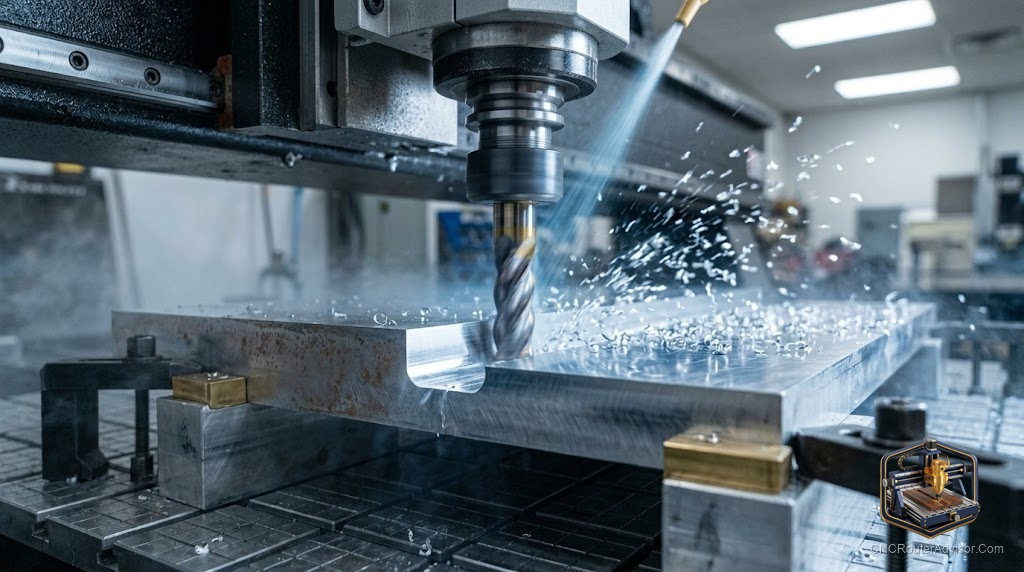
Aluminum is the material that separates people who own a CNC router from people who truly understand one. It is absolutely cuttable on the right router, and it is unforgiving of the shortcuts you get away with in wood. Feed too slow and the chips weld to the bit. Skimp on rigidity and you get chatter and broken tools. But get the technique right and a capable router turns out clean aluminum parts, brackets, plates, panels, and enclosures, that look machined rather than hacked.
Cutting aluminum on a CNC router depends on a rigid machine, the right single or double flute bit, a feed fast enough to keep the chip from welding, secure workholding, and chip evacuation or lubrication to stop the material sticking. This guide walks through the technique that makes aluminum work, and the honest limits of what a router can do with it.
First, is your machine up to it?
Before technique, rigidity. Aluminum pushes back hard, so a light hobby machine with an extrusion frame will chatter and struggle. Machines with cast aluminum or steel frames, like a 6040-class benchtop or heavier, are where aluminum becomes practical. A light machine can still cut aluminum with very shallow passes and patience, but it will be slow. Match your ambition to your frame, because no technique overcomes a machine that flexes.
Tooling for aluminum
Bit choice is critical:
- Single flute or two flute bits designed for aluminum. Fewer flutes give each flute room to clear a chip in a large gullet, which is what prevents welding.
- Bits made for non-ferrous metal, ideally with a ZrN or similar coating and a polished flute. Avoid bits meant for wood.
- Uncoated carbide is common and works well. Never use a standard TiN-coated bit intended for steel on aluminum, as it promotes sticking.
- The right diameter for rigidity: a stubby, larger bit deflects less than a long thin one.
Speeds, feeds, and the welding problem
The signature aluminum failure is a chip welding to the flute, which then drags, heats, and snaps the bit. The cause is almost always too little chip load, the same rubbing problem as burning wood, but with worse consequences. The fix is to keep the chip moving:
- Feed fast enough to make a real chip. A chip load around 0.005 to 0.007 inch for a 1/4 inch bit is a starting point, adjusted by result.
- Keep RPM moderate, since maxing spindle speed with a slow feed guarantees welding.
- Take shallow depths of cut, especially on lighter machines, and let the flute clear each pass.
- Use adaptive or trochoidal toolpaths in your CAM if available, which keep tool engagement steady and let you cut deep and fast without overloading.
Chip evacuation and lubrication
Aluminum must not recut its own chips or overheat:
- Air blast clears chips from the cut and cools the tool. The simplest effective aid.
- Mist coolant or a lubricant made for aluminum keeps chips from welding and improves finish. Even a light manual application of cutting fluid helps on short jobs.
- Clear chips between passes so the bit is not cutting through a pile of swarf.
Workholding
Aluminum cutting forces are high, so hold it hard:
- Clamp directly and firmly to the bed, well clear of the toolpath.
- A machinist vise or fixture plate with proper clamping is ideal for smaller parts.
- Never rely on tape and glue for anything but the lightest engraving, since aluminum will pull loose.
- Support thin sheet fully so it cannot vibrate.
Finish quality
- A steady chip and a proper coolant or air blast give a bright, clean edge.
- A light finishing pass removes tool marks left by roughing.
- Deburr edges after cutting, since aluminum leaves sharp burrs.
- Chatter marks mean insufficient rigidity, too deep a cut, or a bit stickout that is too long.
The honest verdict
Aluminum on a CNC router is entirely achievable, but it demands respect the way wood does not. Start with a rigid machine, use a proper single or two flute non-ferrous bit, feed fast enough to keep the chip from welding, add air or coolant, and clamp the work hard. On a capable machine those steps produce genuinely clean parts. On a light hobby machine you can still succeed with shallow passes and patience, as long as you accept it will be slow. The one rule you cannot break is chip load: keep the chip moving, or the bit will not survive.
Frequently asked questions
Can a CNC router cut aluminum? Yes, on a rigid machine with the right bit, feeds, and workholding. Cast aluminum or steel-framed machines do it well, while light hobby machines manage only shallow, slow cuts.
What bit should I use for aluminum? A single flute or two flute bit made for non-ferrous metal, ideally with a polished flute and a coating like ZrN. Avoid wood bits and steel-oriented TiN coatings.
Why does my bit keep breaking in aluminum? Usually a chip welding to the flute from too low a chip load. Feed faster, keep RPM moderate, take shallow passes, and use air or coolant to keep the chip moving.
Do I need coolant to cut aluminum? Not strictly, but an air blast or mist coolant greatly helps by clearing chips and preventing welding. Even light manual cutting fluid improves short jobs.
What feed and speed works for aluminum? A moderate RPM with a feed high enough for a real chip, around 0.005 to 0.007 inch chip load on a 1/4 inch bit as a starting point, adjusted by result.
How should I hold aluminum for cutting? Clamp it firmly and directly to the bed or in a vise or fixture plate, clear of the toolpath. Tape and glue will not hold against aluminum cutting forces.
What are trochoidal or adaptive toolpaths? CAM strategies that keep tool engagement steady, letting you cut deeper and faster without overloading the bit, which is very effective for aluminum.