
CNC Metal Cutting Router: Tooling, Speeds, Workholding, and Finish Quality
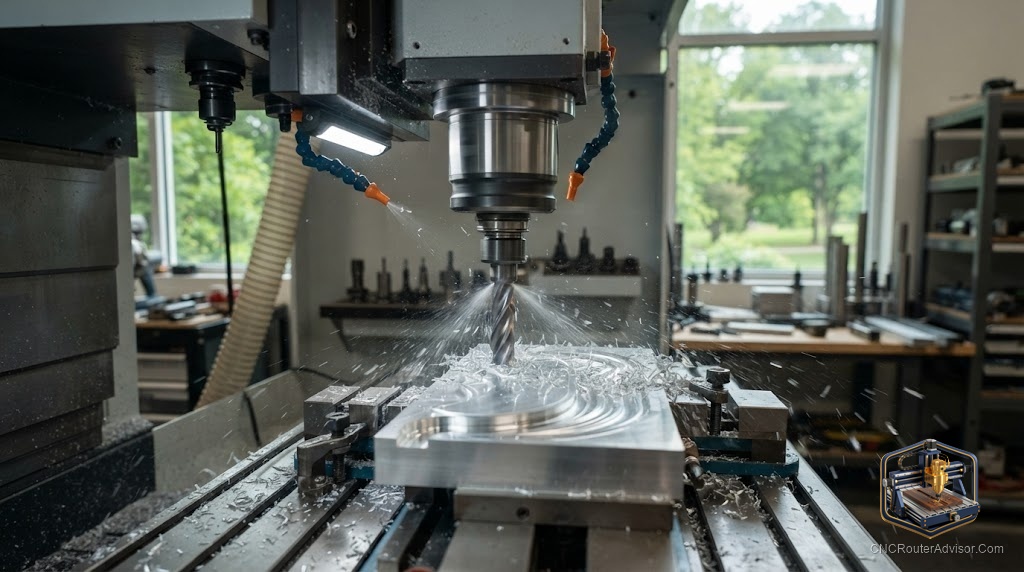
Cutting metal on a CNC router is possible, and for the right metals at the right scale, a rigid router can deliver accurate machined aluminum parts, panels, and components without a dedicated CNC mill. But metal is not wood, and the differences are significant: cutting metal demands rigidity, the right tooling, much lower feed rates, chip management, and often some form of lubrication or cooling. Getting these right is what separates a clean, accurate metal cut from a broken bit and a ruined part. This guide covers how to cut metal on a CNC router, with aluminum as the focus since it is the most practical for router use.
Cutting metal on a router is possible but demands a more disciplined setup than wood; understanding the tooling, speeds, workholding, and finishing for aluminum is what makes it work.
Cutting aluminum and other metals on a CNC router requires a rigid machine, specific tooling, slower feeds and speeds, solid workholding, and chip management to succeed. Tooling: use sharp, single-flute or two-flute solid carbide spiral upcut bits designed for aluminum (not wood bits), which clear chips efficiently and resist loading. Speeds and feeds: aluminum demands much lower feed rates and moderate RPM than wood, since heat and chip load build quickly, and cutting dry aluminum with poor chip clearing ruins tools and parts. Chip management and lubrication: aluminum chips must be cleared continuously, a compressed air blast clears chips, and mist coolant or a cold air gun improves tool life and finish on sustained cuts. Workholding: aluminum must be held rigidly with zero movement; clamps, toe clamps, or a dedicated fixture prevent the chatter that comes from any flex. Finish quality: with proper setup, routers produce accurate aluminum panels, pockets, and profiles, though finish quality is generally below a CNC mill. Harder metals are generally not suitable for routing.
Rigidity, sharp aluminum-specific carbide bits, slow deliberate feeds, chip clearing, and zero-movement workholding are the fundamentals of successful router metal cutting.
Why aluminum works on a router (and harder metals usually do not)
Aluminum is the sweet spot for router metal cutting because:
- It is soft enough to cut without extreme force, so a rigid router can handle it without the structural demands of steel.
- It machines cleanly with the right tooling and speeds.
- It is widely used in panels, enclosures, signs, and mechanical parts, where router-scale accuracy suits the application.
Harder metals like steel and stainless demand forces, speeds, and rigidity beyond what routers are built for, and are generally not suitable. Brass and softer alloys may be possible on a rigid machine but require careful setup.
Tooling
Use bits designed for aluminum, not wood.
- Single-flute or two-flute solid carbide spiral upcut bits designed for non-ferrous metals are the standard choice. Fewer flutes clear chips better, and wood bits load up with aluminum rapidly.
- Sharp tooling. Dull tools build heat and cause built-up edge, where aluminum welds to the tool, ruining the finish and breaking bits.
- Chip geometry: upcut bits pull chips out of the cut, essential for keeping the cut clear in aluminum.
Speeds and feeds
Aluminum’s machining requirements differ sharply from wood:
- Much lower feed rates than wood: aluminum cannot be pushed fast without heat and chatter.
- Moderate RPM: high RPM combined with too-light a feed generates heat; the goal is a chip, not dust, which carries heat out of the cut.
- Depth of cut: take conservative depths per pass, especially when starting out, and increase progressively.
- No burning: if chips are blue or the bit smells, feed and speed are wrong; correct before continuing.
Dialing in feeds and speeds on a test piece before production is essential.
Chip management and lubrication
Chip management is critical in aluminum:
- Compressed air blast: clearing chips continuously prevents re-cutting, which loads and breaks bits.
- Mist coolant or cold air gun: improves tool life and finish quality on sustained cuts by managing heat. Flood coolant is generally impractical on a router; mist is the common choice.
- Never let chips pile up: re-cutting chips in aluminum generates heat, welds material to the bit, and ruins parts.
Workholding
Aluminum requires zero movement:
- Rigid clamping: toe clamps, edge clamps, or a dedicated fixture hold aluminum securely. Any movement causes chatter, poor finish, and potentially broken bits.
- Avoid thin, unsupported sections: they vibrate. Support thin stock fully and take lighter passes.
- Tabs: keep cut parts secure until the job ends, preventing movement as parts free from the stock.
Finish quality
With the right setup, a router produces accurate aluminum panels, pockets, and profiles:
- Toolmarks: expect some, less than with a poor setup but generally more than a CNC mill. A finishing pass with a sharp bit and light depth improves surface quality.
- Deburring: aluminum edges are sharp after cutting; deburr with a file or deburring tool before handling.
- Accuracy: a rigid machine with good workholding produces accurate parts suited to enclosures, panels, and mechanical components.
The verdict
Cutting aluminum on a CNC router is practical when the machine is rigid and the setup is right. Use single-flute or two-flute solid carbide bits designed for aluminum, run much slower feeds than wood with moderate RPM to produce chips not dust, clear chips continuously with compressed air and consider mist coolant for sustained cutting, and hold the aluminum with zero movement in a rigid fixture. With this setup, a router delivers accurate aluminum panels, pockets, and profiles, though finish quality is generally below a CNC mill. Stick to aluminum and softer non-ferrous metals and avoid harder metals, which are beyond what routers are built for.
Three things to take with you:
- Use single-flute or two-flute solid carbide bits designed for aluminum, not wood bits, since aluminum loads wood geometry rapidly and dull bits cause built-up edge.
- Run much slower feeds than wood, produce chips not dust, and manage chips continuously with compressed air and mist coolant to keep the cut clear and tools sharp.
- Hold aluminum with zero movement in a rigid fixture; any flex causes chatter. Deburr sharp edges after cutting, and use a finishing pass for better surface quality.
FAQ
Can a CNC router cut metal? Yes, for softer metals and primarily aluminum. A rigid router with the right tooling, slow feeds, chip management, and rigid workholding can cut aluminum panels, pockets, and profiles accurately. Harder metals like steel are generally beyond what routers are built for and are not suitable.
What bits should I use to cut aluminum on a CNC router? Single-flute or two-flute solid carbide spiral upcut bits designed for non-ferrous metals. Fewer flutes clear chips better, and wood bits load up with aluminum rapidly. Sharp tooling is essential; dull bits build heat and cause built-up edge where aluminum welds to the tool.
Why is chip clearing so important in aluminum? Because re-cutting chips in aluminum generates heat, welds material to the bit (built-up edge), ruins the cut finish, and breaks bits. Chip clearing, with a compressed air blast and mist coolant for sustained cuts, keeps the cut clear, tools sharp, and parts accurate.
How slow should I run feeds and speeds for aluminum? Much slower feed rates than wood, combined with moderate RPM to produce chips (which carry heat out) rather than dust (which does not). The right settings generate small, cool chips; blue chips or a burning smell mean the setup is wrong. Dial in feeds and speeds on a test piece before production.
How do I hold aluminum on a CNC router? With rigid clamping that allows zero movement: toe clamps, edge clamps, or a dedicated fixture. Any movement causes chatter, poor finish, and potentially broken bits. Support thin sections fully to prevent vibration, and use tabs in the toolpath to keep cut parts secure until the job ends.
What is the finish quality like when cutting aluminum on a router? With the right setup, accurate and useful for panels, enclosures, and mechanical components. Expect some toolmarks, generally less than with a poor setup but more than a CNC mill. A finishing pass with a sharp bit at light depth improves the surface. Deburr sharp edges before handling.
References
- Wikipedia, CNC router and aluminum machining: https://en.wikipedia.org/wiki/CNC_router
- CNC Cookbook, cutting aluminum on a CNC router: https://www.cnccookbook.com