
CNC Router for Metal Cutting: Machine Features, Tooling, and Buying Advice
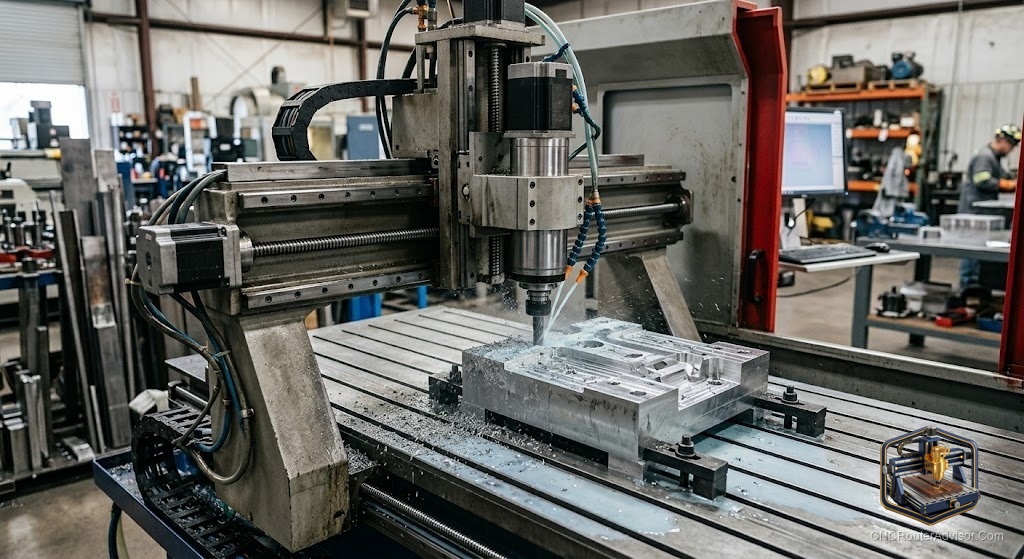
One of the most common, and most misunderstood, questions in the CNC world is whether a router can cut metal. The honest answer is nuanced: a CNC router can cut non-ferrous metals like aluminum, brass, and copper very well when it is rigid enough and set up correctly, but it is not a substitute for a metal-cutting mill when it comes to steel and heavy machining. Understanding what “metal cutting” realistically means on a router, and what the machine, tooling, and settings need to be, is the difference between clean aluminum parts and a pile of broken end mills and gouged workpieces.
A CNC router for metal cutting is a rigid CNC router capable of machining non-ferrous metals, primarily aluminum, brass, and copper, using a stiff frame, quality drive system, a suitable spindle, correct tooling, and careful feeds and speeds with chip evacuation and often cooling. Routers excel at non-ferrous metals; ferrous metals like steel generally require a purpose-built mill.
The short answer on metal cutting: rigidity is everything. Choose a router with a steel or heavy frame, ball screws or a stiff drive, and linear rails; pair it with a real spindle (700W and up, ideally a VFD spindle), single- or two-flute carbide end mills, cutting fluid or air blast for chip clearing and cooling, and conservative feeds and speeds. With those in place, aluminum machining is very achievable.
What “metal cutting” realistically means on a router
Non-ferrous metals (yes): aluminum (the most common), brass, and copper are routinely and successfully machined on rigid routers. This is what most people mean by “cutting metal” on a router.
Ferrous metals (limited to no): mild steel and harder ferrous metals demand rigidity, torque, and low spindle speeds that most routers cannot provide. Cutting steel is the domain of a proper CNC mill. Some very rigid routers can engrave or lightly cut thin steel, but it is not their strength.
The rest of this guide focuses on aluminum and non-ferrous work, where routers genuinely shine.
Machine features that make metal cutting possible
Rigidity, above all. Metal cutting forces are far higher than wood. Any frame flex causes chatter, poor finish, and broken bits. Look for:
- A steel or heavy-duty frame (or a very stiff aluminum-extrusion machine reinforced for the purpose).
- Ball screws (not belts) for backlash-free, rigid motion.
- Profile linear rails for stiff, precise axis movement.
- A heavy, well-supported gantry.
A capable spindle. A trim router can cut aluminum lightly, but a VFD spindle (700W to 1.5kW+ for hobby/prosumer, more for production) provides the power, speed control, and duration metal work needs. Spindle power matters only in context of RPM and torque, a high-RPM spindle needs appropriate feeds.
Good workholding. Aluminum must be held rigidly, clamps, fixtures, and often double-sided tape for thin stock. Vacuum alone is unreliable for the forces of metal cutting.
Tooling for metal
- Single-flute carbide end mills: excellent chip clearance in aluminum (prevents chip welding); a go-to for aluminum on routers.
- Two-flute carbide end mills: a versatile choice balancing finish and chip clearance.
- Carbide, always: HSS dulls too fast; solid carbide is standard.
- Coatings (ZrN, etc.): help in aluminum by reducing built-up edge.
- Correct diameter and stub length: shorter, stiffer tools deflect less.
Feeds, speeds, and cooling
- Correct chip load: aluminum requires the right feed per tooth. Too slow causes rubbing, heat, and chip welding; too aggressive breaks tools. Follow feeds-and-speeds calculators for aluminum.
- Chip evacuation: clear chips so they are not re-cut; single-flute tools and air blast help.
- Cooling / lubrication: WD-40 (yes, it is a common aluminum cutting aid), mist coolant, a cold air gun, or air blast keep the cut cool and prevent chip welding. Cooling dramatically improves aluminum results and tool life.
- Conservative depth of cut: shallower passes reduce load and chatter, especially on less rigid machines.
Buying advice
- Prioritize rigidity over work area for metal. A smaller, very rigid machine cuts aluminum better than a large flexible one.
- Consider purpose-built options: machines marketed for aluminum (rigid steel-frame routers, benchtop mills) exist across price points, from all-metal desktop machines to industrial routers with 1.5kW+ spindles.
- Match spindle to the work: more spindle power helps, but only with rigidity and correct feeds behind it.
- Budget for cooling and workholding: these are not optional for good metal results.
The verdict
A CNC router can be a genuinely capable metal-cutting machine, for non-ferrous metals like aluminum, brass, and copper, provided rigidity comes first. A steel or heavy frame, ball screws, linear rails, a real spindle, carbide single- or two-flute tooling, correct feeds and speeds, and cooling together make clean aluminum machining very achievable. What a router is not is a steel-cutting mill; ferrous metals belong on a purpose-built mill. Buy for rigidity, tool up with carbide, use cooling, and respect feeds and speeds, and metal cutting on a router stops being a gamble and becomes a reliable capability.
Three takeaways: routers cut non-ferrous metals (aluminum, brass, copper) well but are not steel-cutting mills; rigidity is the single most important factor, prioritize a steel/heavy frame, ball screws, and linear rails; and use carbide single/two-flute tooling, correct feeds and speeds, chip evacuation, and cooling (WD-40, mist, or air blast) for clean results.
FAQ
Can a CNC router cut metal? Yes, non-ferrous metals like aluminum, brass, and copper, when the machine is rigid enough and set up correctly. Ferrous metals like steel generally require a purpose-built CNC mill, not a router.
Can a CNC router cut steel? Generally no, not as a practical capability. Steel demands rigidity, torque, and low spindle speeds most routers lack. Some very rigid routers can engrave or lightly mark thin steel, but steel machining belongs on a mill.
What makes a CNC router good for cutting aluminum? Rigidity above all: a steel or heavy frame, ball screws, and linear rails, plus a capable spindle (700W+, ideally VFD), carbide tooling, and cooling. Frame flex causes chatter and broken bits, so stiffness is decisive.
What bits cut aluminum on a CNC router? Single-flute carbide end mills for excellent chip clearance (preventing chip welding), or two-flute carbide for a balance of finish and clearance. Always use solid carbide; coatings like ZrN help reduce built-up edge.
Do I need coolant to cut aluminum on a router? Cooling greatly improves results and tool life. WD-40, mist coolant, a cold air gun, or air blast keep the cut cool, clear chips, and prevent chip welding. It is strongly recommended for aluminum.
What feeds and speeds should I use for aluminum? Use a feeds-and-speeds calculator for aluminum to get the correct chip load. Too slow causes rubbing, heat, and chip welding; too aggressive breaks tools. Use conservative depths of cut on less rigid machines.
Is spindle power the most important thing for cutting metal? No, rigidity is. Spindle power helps, but only in context of RPM, torque, and correct feeds. A rigid machine with a modest spindle cuts aluminum better than a flexible machine with a big spindle.
References
- CNCRouterInfo, Cutting Aluminum on a CNC Router (rigidity, tooling, cooling): https://cncrouterinfo.com/guides/cutting-aluminum/
- Cutting Edge, Aluminum CNC Machine Guide (non-ferrous vs. ferrous): https://www.cuttingedgeplasma.com/feeds/blog/aluminum-cnc-machine
- Carbide 3D, Machining Aluminum on a Shapeoko (feeds, speeds, coolant): https://carbide3d.com/blog/machining-aluminum/
- FoxAlien, 1.5kW VFD Spindle for Aluminum and Metal Cutting: https://www.foxalien.com/products/foxalien-1-5kw-vfd-air-cooled-cnc-spindle-motor-kit
- Provencut / feeds-and-speeds resources for aluminum end mills: https://www.provencut.com/