
CNC Router Bits 5mm: Sizes, Types, and How to Choose
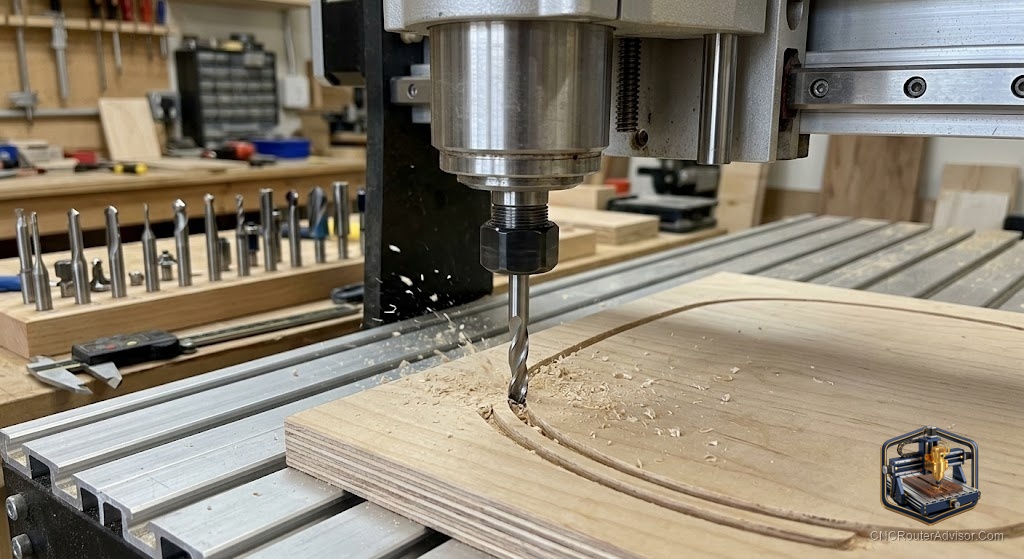
The search for “CNC router bits 5mm” hides a common point of confusion, because “5mm” can refer to two completely different measurements: the shank diameter (the part that goes into the collet) or the cutting diameter (the width the bit actually cuts). Getting these mixed up leads to bits that will not fit your collet or that cut the wrong width for your design. Once you understand which 5mm you need, choosing the right bit is straightforward, and 5mm is a genuinely useful, versatile size that sits in a sweet spot for many woodworking and detail tasks.
CNC router bits described as “5mm” refer either to a 5mm shank diameter (the portion held in the collet) or a 5mm cutting diameter (the width of the cut), and sometimes both. Clarifying which dimension you need, shank vs. cutting diameter, is the first step, because they determine collet fit and cut width respectively.
The short answer on choosing: confirm whether you need a 5mm shank (to match a 5mm collet) or a 5mm cutting diameter (for the cut width your design requires), or a bit that is 5mm in both. Then pick the bit type (upcut, downcut, compression, straight) and flute count for your material. A 5mm 2-flute upcut carbide end mill is a versatile all-rounder for wood.
Shank diameter vs. cutting diameter: the crucial distinction
Shank diameter is the smooth part of the bit clamped in the collet. It must exactly match your collet size. Common shank sizes are 1/8 inch (3.175mm), 1/4 inch (6.35mm), 6mm, and 8mm. A true 5mm shank needs a 5mm collet, which is less common, so verify your machine has or accepts one.
Cutting diameter is the width the flutes cut. A 5mm cutting diameter produces a 5mm-wide cut (or the effective width of a slot). This is chosen for your design’s detail and cut width, independent of shank size.
Common 5mm configurations:
- 5mm shank + 5mm cutting diameter: a straightforward 5mm end mill for machines with a 5mm collet.
- 1/8 inch (3.175mm) shank + 5mm cutting diameter: a wider cut on a small, common shank, useful on hobby machines with 1/8 inch collets.
- 6mm or 8mm shank + 5mm cutting diameter: a wider cut with a stiffer shank, less deflection.
Types of 5mm bits and what they do
- Upcut end mill: pulls chips up and out of the cut, excellent chip evacuation for pockets and slots. Can fray the top edge in wood.
- Downcut end mill: pushes chips down, leaving a clean top edge, good for veneered and laminated surfaces.
- Compression bit: combines up and down cutting geometry for clean edges on both faces, ideal for plywood and laminates.
- Straight bit: general-purpose cutting and trimming.
- Ball-nose: rounded tip for 3D contouring and relief (a 5mm ball-nose is a useful mid-size finishing bit).
- V-bit: not a diameter-defined bit, but often used alongside 5mm bits for lettering.
Flute count and material matching
Flute count affects finish and chip clearance:
- 1 flute: maximum chip clearance, best for plastics and aluminum (prevents chip welding).
- 2 flutes: the versatile all-rounder for hardwood, softwood, plywood, and light aluminum. A 5mm 2-flute upcut is a common general-purpose choice.
- 3+ flutes: finer finish at higher feed rates, less chip clearance, better for harder materials and finishing passes.
Material guidance:
- Hardwood/softwood: 2-flute upcut, downcut, or compression carbide.
- Plywood/laminate: compression bit for clean edges.
- Aluminum/plastic: 1- or 2-flute upcut for chip clearance.
- Detailed carving: 5mm ball-nose for smooth 3D contours.
What else matters when choosing
- Material of the bit: solid carbide holds an edge far longer than HSS and is the standard for CNC.
- Runout and quality: a quality bit with low runout cuts cleaner and lasts longer; cheap bits deflect and dull fast.
- Deflection: a 5mm cutting diameter on a thin (1/8 inch) shank deflects more than on a 6mm shank; use the stiffest appropriate shank for accuracy.
- Coating: ZrN or TiN coatings help with specific materials (aluminum, abrasive stock).
The verdict
Choosing 5mm CNC router bits starts with one question: do you need a 5mm shank (collet fit) or a 5mm cutting diameter (cut width), or both? Confirm that first, then select the bit type (upcut, downcut, compression, straight, ball-nose) and flute count for your material. A 5mm 2-flute upcut carbide end mill is a versatile all-rounder for wood; a compression bit is best for plywood edges; and single-flute geometry suits aluminum and plastics. Buy quality carbide with low runout, and match shank stiffness to minimize deflection.
Three takeaways: distinguish shank diameter (collet fit) from cutting diameter (cut width), “5mm” can mean either; match bit type and flute count to your material (2-flute upcut for wood, compression for plywood, single-flute for aluminum); and prioritize quality solid carbide with low runout and adequate shank stiffness to reduce deflection.
FAQ
Does “5mm CNC router bit” mean the shank or the cutting diameter? It can mean either. “5mm” may describe the shank diameter (collet fit) or the cutting diameter (cut width), and sometimes both. Always confirm which dimension the listing specifies before buying.
Do I need a 5mm collet to use a 5mm bit? Only if the bit has a 5mm shank. Many 5mm cutting-diameter bits come on 1/8 inch (3.175mm), 6mm, or 8mm shanks to fit common collets. Match the shank to your collet, not the cutting diameter.
What is the best 5mm bit for wood? A 5mm 2-flute upcut carbide end mill is a versatile all-rounder for hardwood and softwood. Use a downcut for clean top edges and a compression bit for plywood and laminate edges.
How many flutes should a 5mm bit have? One flute for aluminum and plastics (chip clearance), two flutes as a versatile all-rounder for wood and light metal, and three or more for finer finishes and harder materials at higher feed rates.
Can a 5mm bit cut aluminum? Yes, a 1- or 2-flute 5mm carbide end mill cuts aluminum with proper feeds, speeds, and chip clearing. Single-flute geometry helps prevent chip welding on aluminum.
What is a 5mm ball-nose bit used for? 3D contouring and relief finishing. Its rounded tip produces smooth curved surfaces, and 5mm is a useful mid-size for finishing passes on relief carvings.
Why does bit deflection matter with 5mm bits? A 5mm cutting diameter on a thin shank flexes under load, hurting accuracy and finish. Use the stiffest appropriate shank (6mm over 1/8 inch where possible) and quality carbide with low runout for the best results.
References
- CNCRouterInfo, CNC Router Bits Explained (shank vs. cutting diameter, flute count): https://cncrouterinfo.com/guides/cnc-router-bits/
- Carbide 3D, Understanding End Mills (upcut, downcut, compression, flutes): https://carbide3d.com/blog/end-mills-explained/
- Amana Tool, Solid Carbide Router Bits (5mm cutting diameter examples and coatings): https://www.amanatool.com/router-bits.html
- Onsrud, Cutting Tool Guide (flute count and material selection): https://www.onsrud.com/xdoc/RouterAppGuide
- IDC Woodcraft, CNC Router Bits Guide (choosing bits by material): https://idcwoodcraft.com/pages/cnc-router-bits-guide