
CNC Router Bits for Aluminum: The Right Cutters, and Why Wood Bits Fail
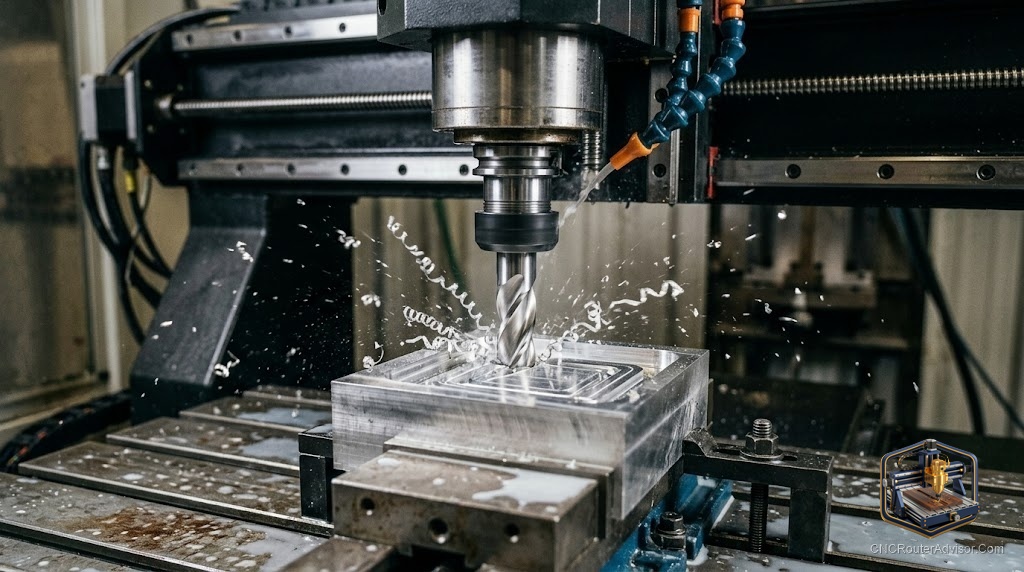
The fastest way to ruin a good afternoon is to cut aluminum with a wood bit. It gums up, the chips weld to the flutes, the finish tears, and the bit snaps. Aluminum is not difficult to machine on a hobby router, but it is unforgiving about tooling, and the cutter that carves plywood beautifully is exactly the wrong tool for metal. Choose the right CNC router bits for aluminum and the job becomes clean and almost calm; choose wrong and you fight the material the whole way.
CNC router bits for aluminum are carbide end mills designed to cut non-ferrous metal, typically single-flute or specialized low-flute-count geometries that clear chips efficiently and resist the gumming and welding that ruin cuts and tools. The defining feature is chip clearance, because packed chips are what destroy both finish and bits in aluminum.
Straight to the point: for aluminum on a hobby or small-shop CNC router, use single-flute or dedicated aluminum end mills, up-cut geometry to lift chips out, and solid carbide rather than coated wood bits. Verified options are below. Run them with conservative feeds and shallow passes, clear chips with air, and aluminum stops being intimidating. Below are the bits and the reasoning, so you can match the cutter to your machine and your metal.
Why wood bits fail in aluminum
Wood bits typically have more flutes and geometry tuned for fibrous material, which leaves too little room for aluminum chips to escape. In metal, those chips pack into the flutes, re-cut, and weld to the tool, tearing the finish and overheating the bit until it breaks. Down-cut and straight-flute bits are especially bad here because they trap chips against the work. Aluminum needs open geometry that evacuates chips fast, which is why dedicated cutters exist.
Single-flute O-flute bits: the aluminum workhorse
The classic aluminum cutter is a single-flute (O-flute) up-cut end mill, and it is the first tool most people should own for metal. For machines using a 1/4 inch collet, the SpeTool single-flute O-flute aluminum end mill with a 1/4 inch shank offers a long cutting length and the open geometry that keeps chips moving. For the smaller machines and finer detail, the HQMaster 10-pack O-flute single-flute bits with a 1/8 inch shank give you a set to learn on without babying a single expensive cutter. The honest caveat: single-flute bits leave a slightly rougher finish than multi-flute at the same settings, and they are best for chip clearance and roughing rather than the finest surface.
Small-diameter and finishing options
For small detail and thin aluminum, the SpeTool aluminum end mills with a 1/8 inch shank and small cutting diameter suit fine features and light work. For longer tool life on repeated aluminum jobs, the SpeTool single-flute end mill with a 1/4 inch shank and extended tool life is built to hold up. Match the shank to your collet and the cutting diameter to your detail, because a bit that does not fit your machine, or is too large for your feature, is no help at all. Who should skip these: pure woodworkers who never cut metal, who are better served by standard wood bits.
The settings that make any aluminum bit work
The best bit still needs the right conditions. Run conservative feeds and speeds, take shallow depths of cut, and clear chips actively with compressed air or mist so they do not re-cut. Up-cut geometry helps lift chips out of the slot. Rigidity in the machine matters too, since a flexing frame causes chatter no bit can fix. Bit plus settings plus chip clearing is the whole formula.
For the machine side of the equation, see our guide to the CNC aluminum router.
Final verdict
The right CNC router bits for aluminum are single-flute or dedicated low-flute carbide end mills with up-cut geometry, and they are the difference between clean metal cuts and a drawer of broken tools. Start with a single-flute O-flute in the shank size your machine takes, add small-diameter bits for detail and a longer-life cutter for repeat work, and always pair them with conservative settings and active chip clearing. Get the geometry and the settings right, and aluminum becomes one of the most satisfying materials to cut. Reach for a wood bit, and it will fight you every pass.
FAQ
Can I use wood router bits for aluminum? Not well. Wood bits usually have too many flutes and trap chips in metal, causing gumming, welding, torn finish, and broken bits. Aluminum needs open, chip-clearing geometry.
How many flutes are best for aluminum? Single-flute (O-flute) bits offer the best chip clearance for aluminum on hobby machines. Two flutes can balance clearance and finish, but single-flute is the reliable starting point.
Should aluminum bits be up-cut or down-cut? Up-cut, because it lifts chips up and out of the cut. Down-cut and straight-flute bits trap chips against the work and cause gumming in aluminum.
What shank size do I need? Match the shank to your machine’s collet, commonly 1/8 inch or 1/4 inch. A larger shank adds rigidity, while a smaller one suits fine detail on smaller machines.
Do I need air or coolant with aluminum bits? Active chip clearing with compressed air or a mist system is strongly recommended. It stops chips from re-cutting and welding to the bit, protecting finish and tool life.
Why did my aluminum bit break? Usually packed chips, too aggressive a feed or depth, or machine flex causing chatter. Use conservative settings, shallow passes, chip clearing, and a rigid setup.
References
- SpeTool, O-flute aluminum router bit specifications: Check on Amazon
- Cutter Shop, cutting aluminium tooling guide: https://cutter-shop.com/news/aluminium-cutting-cnc-machine-router/
- Amana Tool, solid carbide aluminum-cutting router bit reference: https://www.amanatool.com/products/cnc-router-bits/aluminum-non-ferrous-metal-cutting-router-bits/solid-carbide-aluminum-spiral-o-flute-cnc-router-bits.html