
CNC Router Metal Guide: Tooling, Speeds, Workholding, and Finish Quality
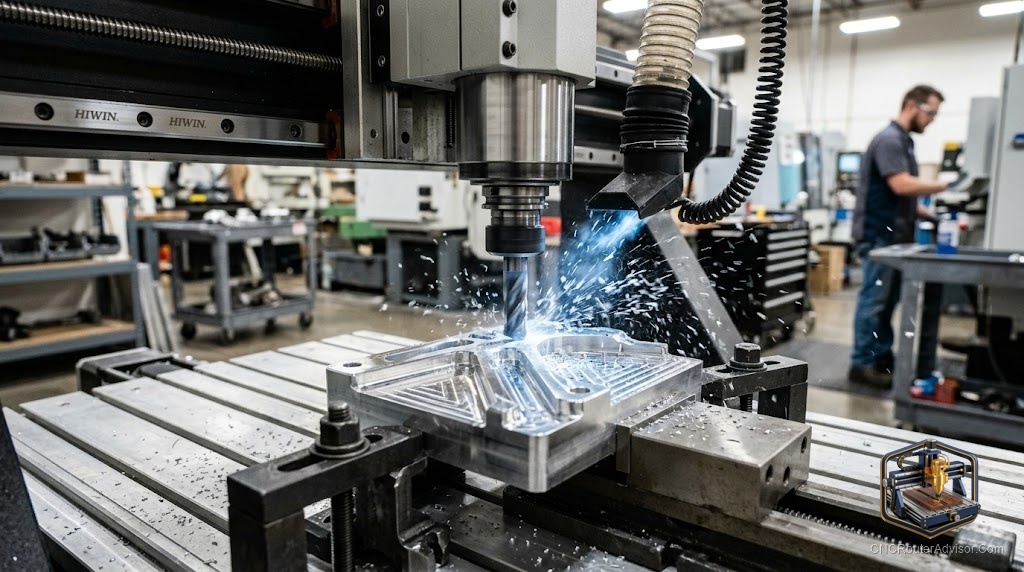
The idea that a router is only for wood dies hard, and it costs people a lot of capability. A properly set up CNC router cuts a genuine range of metals, aluminum, brass, copper, and other soft metals, cleanly and repeatably. It will not replace an industrial mill for steel, but for the soft metals most makers actually use, a router opens up parts, plates, panels, and inlays that pure woodworkers never touch. The catch is that metal is a different discipline from wood, and treating it like wood is how bits get destroyed.
Cutting metal on a CNC router means machining soft metals such as aluminum, brass, and copper by pairing a rigid machine with the right tooling, feeds and speeds, workholding, and cooling. Metal generates far more heat and force than wood, and the recurring failure, chips welding to the tool, comes from heat and poor chip clearing. Success is a system where every step supports cutting real chips and clearing them fast.
Short answer: a CNC router cuts soft metals like aluminum, brass, and copper, not steel, when it is rigid enough and set up with single-flute carbide tooling, shallow passes at the correct chip load, cooling, aggressive chip clearing, and solid workholding. Run a feed high enough to make chips, never let the bit rub, and build depth over multiple passes. Miss any step and you get gumming, chatter, or breakage.
Which metals a router can cut
Routers handle soft metals, not hard ones:
- Aluminum is the most common, cutting cleanly with the right setup.
- Brass machines well and takes a nice finish.
- Copper is soft and cuttable, though gummy, so chip clearing matters.
- Other soft metals and alloys are generally workable with care.
- Steel and hard metals are the domain of a rigid mill, not a router.
Know your metal before you start, since each behaves a little differently under the bit.
Machine requirements
Metal punishes flex. Start with rigidity:
- A stiff frame in steel or heavy aluminum.
- Ball or lead screws with linear rails for backlash-free, precise motion.
- A torquey spindle, such as a water-cooled VFD unit from around 700W upward.
- A flat, solid bed for secure workholding.
Light V-wheel hobby machines simply flex too much for reliable metal work.
Tooling
- Single-flute end mills are the standard for soft metals, giving chips room to clear before they weld to a hot tool.
- Two-flute end mills refine the finish once feeds are dialed in.
- Carbide over high-speed steel, for edge life in metal.
- Sharp tools only, since a dull bit rubs, heats, and breaks.
Feeds and speeds
Aim for a proper chip load so chips carry heat away:
- Shallow depth of cut, building depth over multiple passes.
- Moderate RPM matched to the tool, not the router’s maximum.
- A feed rate that keeps the bit shearing chips rather than dwelling.
Small bright chips and a steady shearing sound mean it is right; a squeal or fine powder means rubbing and heat.
Cooling and chip clearing
Heat management is essential:
- Cutting fluid or mist coolant to cool and lubricate.
- A light lubricant like WD-40 for aluminum on lighter setups.
- A cold air gun to cool and blow chips clear.
- Constant chip evacuation to stop chips re-cutting and welding.
Workholding
Metal will not tolerate movement. Hold work in a solid vise, with strong clamps, or on a bolted fixture so it cannot shift or vibrate. Any movement causes chatter, ruined finish, and broken tools.
Finish quality and troubleshooting
A good soft-metal finish is bright and smooth. Fix by cause:
- Gummed, welded bit: heat and poor clearing; use a single-flute bit, add cooling, clear chips, raise feed relative to RPM.
- Chatter marks: improve rigidity, reduce depth, check workholding, adjust feeds.
- Smeared surface: the bit is rubbing; increase chip load or replace a dull tool.
- Broken tools: reduce depth per pass, slow the plunge, confirm workholding.
Product picks
FoxAlien XE-PRO (rigid entry for soft metals). An affordable, stout machine that handles light aluminum and brass with careful technique, a good way to learn metal without a mill. Honest flaw: it is still a light machine, so passes must stay shallow and feeds patient; it will not hog metal. On Amazon.
SpeTool single-flute end mills (soft-metal tooling). Single-flute carbide bits that clear chips in aluminum and other soft metals, the correct starting tooling. Honest flaw: single-flute geometry leaves a slightly coarser finish, so use a two-flute bit for finishing passes. On Amazon.
The bottom line
A CNC router cuts soft metals, aluminum, brass, copper, cleanly when you treat metal as its own discipline: a rigid machine, single-flute carbide tooling, correct feeds and speeds, cooling, relentless chip clearing, and solid workholding. The enemy is heat and welded chips, so make real chips and get them out. Leave steel to a mill, start shallow, and build up as you learn. Done right, metal work hugely expands what your router can make.
FAQ
What metals can a CNC router cut? Soft metals like aluminum, brass, and copper with the right setup. Steel and hard metals need a rigid mill, not a router.
Why do my bits weld up in metal? Chips are sticking to a hot tool from poor clearing. Use a single-flute bit, add cooling, clear chips constantly, and raise feed relative to RPM.
What tooling do I need for metal? Single-flute carbide end mills for roughing soft metals, and two-flute bits for finer finishing passes once feeds are dialed in.
Do I need coolant to cut metal? Some cooling is important. Cutting fluid, mist coolant, a light lubricant like WD-40, or a cold air gun all cut heat and improve finish.
How deep can I cut metal on a router? Shallow passes only, building depth over several passes. Deep single passes cause chatter, welding, and broken tools.
Can a router cut steel? Not reliably. Steel and hard metals belong on a rigid mill. Routers are for soft metals like aluminum, brass, and copper.
How do I get a clean metal finish? A rigid setup, sharp single-flute tooling, correct chip load, cooling, solid workholding, and a lighter finishing pass with a two-flute bit.
References
- CNCRouterInfo, how to choose a CNC router: https://cncrouterinfo.com/guides/how-to-choose-a-cnc-router/
- CNC Dad, best CNC router for beginners: https://www.cnc-dad.com/blog/best-cnc-router-for-beginners/