
3mm CNC Router Bit Guide: Types, Uses, Sizes, and Selection Tips
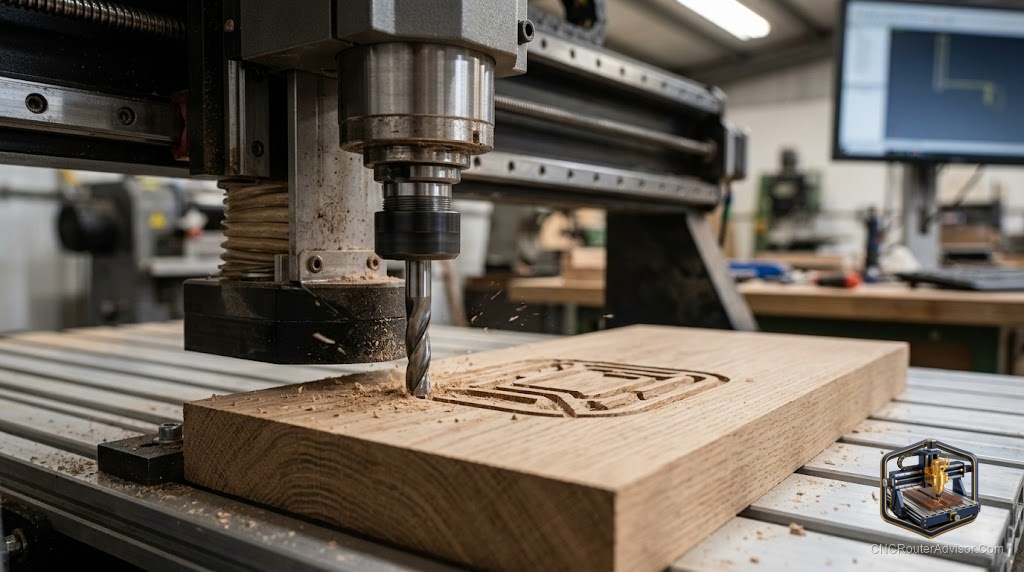
Ask a room full of CNC users what bit they reach for most, and a surprising number will point to something small, around 3mm. It is small enough to carve real detail, big enough to survive a normal job, and it fits the collets on most hobby machines without an adapter. A 3mm bit is the workhorse that lives between the fragile fine-detail cutters and the big material-movers, and knowing how to pick and run one solves a lot of everyday cutting problems.
A 3mm CNC router bit is a cutting tool with a 3mm cutting diameter, roughly an eighth of an inch, used in a CNC router for detail cutting, engraving, and general small-scale work. The 3mm label describes the cutting size; the shank that fits your collet may be 3mm, 3.175mm (the common eighth-inch), or 6mm depending on the bit. Getting that distinction right is the first step to buying the correct tool.
Short answer: choose a 3mm bit when you need fine detail, small internal corners, and clean lettering that a larger bit cannot reach, and when your cutting forces are moderate. Match the bit type to the material and job, single-flute for plastics and aluminum, upcut for chip clearance, downcut for clean top edges, and confirm the shank matches your collet before buying.
Cutting diameter vs shank size
This trips up beginners constantly. The 3mm figure is the cutting diameter, the width of material the bit removes. The shank is what clamps into the collet, and it can differ. A 3mm cutting bit might have a 3.175mm (eighth-inch) or 6mm shank. Before buying, confirm two things: the cutting diameter you need for the detail, and a shank that fits a collet you own. A bit with the wrong shank is useless until you buy a matching collet.
Common 3mm bit types
- Upcut spiral end mill. Pulls chips up and out of the cut, keeping the slot clear. The default for most cutting, especially in wood and plastic where chip clearance matters. It can lift and fuzz the top edge on some materials.
- Downcut spiral end mill. Pushes chips down, leaving a clean top edge, ideal for veneered plywood and laminates. It clears chips poorly in deep slots, so use it for shallow, edge-critical work.
- Compression end mill. Combines up and down geometry to leave clean edges on both faces, excellent for plywood, though 3mm compression bits need enough cut depth to work as intended.
- Straight bit. A simple, economical cutter for basic slotting and edge work.
- Single-flute end mill. Maximizes chip room per revolution, the go-to for acrylic, other plastics, and aluminum where chips must escape fast.
- Ball-nose bit. A rounded tip for smooth 3D contours and detailed relief finishing at small scale.
- V-groove bit. For lettering and decorative V-carving, though that is a separate profile from a straight 3mm end mill.
Flute count
Fewer flutes mean more room for each chip to clear, which suits plastics and aluminum at the high RPM a router runs. More flutes leave a finer finish and suit harder woods once feeds are dialed in. For a 3mm bit in mixed use, a single or two-flute upcut covers most jobs.
Running a 3mm bit well
Small bits break for predictable reasons: too deep a pass, too fast a plunge, poor chip clearance, or runout in a worn collet. To get long life and clean cuts:
- Keep depth per pass modest; small tools do not like deep bites.
- Use a gentle plunge rate, since diving too fast snaps tips.
- Match feed and RPM so the bit cuts real chips rather than rubbing, which builds heat and dulls the edge.
- Clear chips with air or a downcut where finish demands it, so the flutes do not clog.
- Check for tool runout; a bit wobbling in a tired collet cuts oversized and breaks early.
Product picks
SpeTool small-diameter end mills (everyday cutting). Reliable single and two-flute bits in the small-diameter range for wood, plastic, and light aluminum, with consistent geometry. Honest flaw: like all small bits, they punish deep passes and fast plunges, so respect the feeds. On Amazon.
Genmitsu V-bit and detail bit set (lettering and detail). A budget-friendly way to add V-carving and fine-detail profiles alongside your straight bits, good for signs and decorative work. Honest flaw: budget sets dull faster than premium tooling, so treat them as consumables. On Amazon.
The bottom line
A 3mm CNC router bit is the practical middle size for detail work: fine enough for small corners and lettering, sturdy enough for real jobs. Buy the right cutting geometry for your material, confirm the shank matches your collet, and run it with modest depths and a gentle plunge. Do that and a good 3mm bit becomes the tool you reach for on most jobs.
FAQ
Is a 3mm bit the same as an eighth-inch bit? Very close. An eighth inch is about 3.175mm, so the two are often used interchangeably, but check the exact cutting diameter and shank before buying.
What shank does a 3mm bit have? It varies. A 3mm cutting bit may have a 3.175mm or 6mm shank. Confirm it matches a collet you own.
Upcut or downcut for a 3mm bit? Upcut clears chips best for general cutting. Downcut leaves a cleaner top edge on veneers and laminates but clears chips poorly in deep cuts.
Why does my 3mm bit keep breaking? Usually too deep a pass, too fast a plunge, clogged flutes, or collet runout. Reduce depth, slow the plunge, clear chips, and check the collet.
Can a 3mm bit cut aluminum? Yes, a single-flute 3mm bit cuts light aluminum with shallow passes, proper feeds, and chip clearing.
What is a 3mm bit best for? Fine detail, small internal corners, lettering, and general small-scale cutting where a larger bit cannot reach.
How deep can I cut with one? Keep depth per pass modest and let multiple passes build depth. Small tools flex and break under deep single passes.
References
- CNCRouterInfo, best CNC router bits: https://cncrouterinfo.com/guides/best-cnc-router-bits/
- CNC Shop, troubleshooting cutting problems: https://cncshop.com/pages/troubleshooting-cutting-problems