
CNC Router Steel: What a Router Can and Cannot Do With Hard Metal
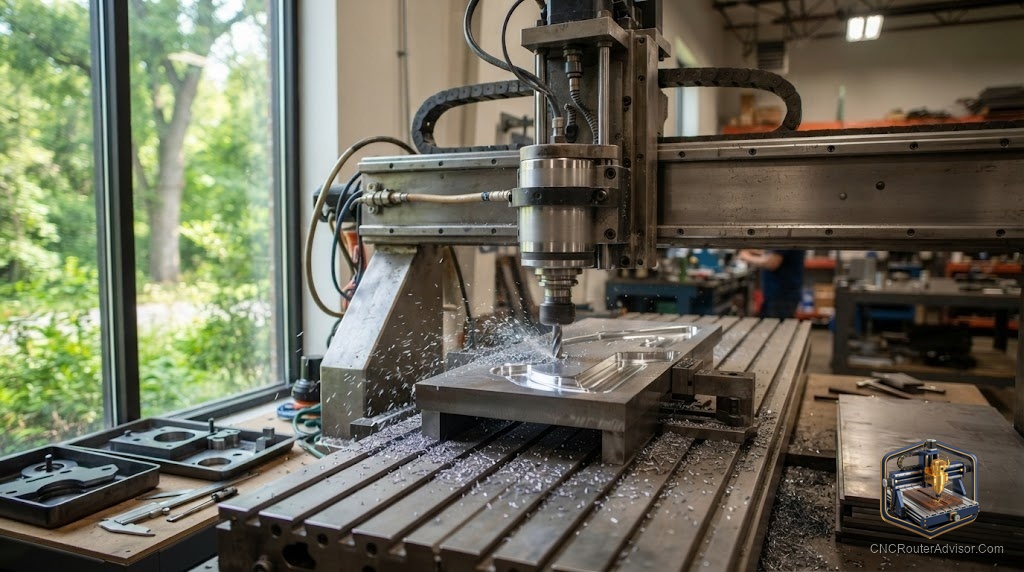
Someone always asks whether their new hobby router can cut steel. The honest answer disappoints people, so let me give it to you straight before you break a bit or a spindle finding out yourself. A CNC router is built for wood, plastic, and soft aluminum. Steel is a different world, and asking a router to machine it is like asking a road bike to plow a field. It might scratch the surface, but it is the wrong tool aimed at the wrong job.
That does not mean the conversation ends there. Plenty of people search for a steel capable router because they have a real need, and there are honest paths forward. This guide explains why steel is so hard on a router, what actually happens when you try, and what to buy instead if steel is truly your goal.
What people mean by “CNC router steel”
A CNC router uses a high speed spindle and a moving gantry to guide a cutter across a work area defined by the X axis, Y axis, and Z axis. The design favors speed and reach over brute rigidity. That works because wood and plastic cut easily. Steel does not care about spindle speed. It demands high torque at low RPM, tremendous frame rigidity, flood coolant, and a machine mass that a router simply does not have.
When people say they want a router that cuts steel, they usually want one of three things: to engrave a shallow mark on a steel plate, to cut thin mild steel occasionally, or to machine steel parts properly. Those are three very different requirements, and only the first is realistic on router class hardware.
The short answer
A standard CNC router should not be your steel machine. Light engraving on steel is sometimes possible with the right tooling, a rigid frame, and patience, but production cutting of steel needs a CNC mill, not a router. If steel work is central to what you do, buy a mill or a machine purpose built for metal. If you occasionally touch steel and mostly cut wood, aluminum, and plastic, buy a rigid router and accept its limits. Trying to force a wood router through steel wrecks bits, stalls spindles, and produces poor results.
Why steel punishes a router
Three things fight you. Frame rigidity comes first. A router built on aluminum extrusion flexes under the cutting forces steel generates, and flex becomes chatter, which snaps carbide end mills. Steel wants a heavy steel frame and a stout motion system with quality ball screws and linear rails, the kind of mass a router does not carry.
Spindle character comes second. A router spindle spins fast, which is exactly wrong for steel. Steel cutting needs high torque at low RPM so the cutter can take a real bite without rubbing. A VFD spindle helps, but the router platform around it still lacks the backbone.
Heat and chip control come third. Steel throws heat into the tool fast, and without proper coolant the edge dulls in seconds. Routers rarely have flood coolant, so you fight burning tools the whole time.
What actually happens when you try
Push a hobby router into steel and the sequence is predictable. The frame deflects, the cut chatters, the finish tears, and the end mill either dulls or shatters. Even if you creep along at tiny depths, a job that a mill finishes in minutes takes hours and eats tooling. You can sometimes engrave a shallow line into steel with a rigid machine and a diamond drag bit, because that removes almost no material. Anything deeper moves out of router territory fast.
If steel is the goal: what to buy instead
Be honest with yourself about the work. If you machine steel parts, you want a CNC mill or a purpose built metal machine with a rigid steel frame, a torque focused spindle, and coolant. That is a category decision, not a router upgrade.
If your work is mostly wood and aluminum with the rare steel engraving, a rigid desktop router with a steel reinforced frame and a real spindle handles aluminum well and can scratch mark steel. The Genmitsu 3030 PROVer Ultra is a genuinely rigid metal framed desktop machine aimed at tougher materials, available at this listing. Pair it with a proper VFD spindle such as this water cooled kit if you are building toward metal capable work. Just keep steel expectations at engraving, not cutting.
Who should skip the idea entirely
If your plan is to produce steel brackets, gears, or tooling, skip the router search completely. No hobby router will serve you, and forcing it wastes money on ruined bits. Go straight to a mill. Likewise, if you only need a few steel parts occasionally, a local machine shop will make them faster and cheaper in effort than any router workaround.
Comparison: router vs mill for metal
| Factor | CNC router | CNC mill |
| Best materials | Wood, plastic, soft aluminum | Aluminum, steel, hard metals |
| Frame | Lighter, larger work area | Heavy, rigid, smaller work area |
| Spindle | High RPM, lower torque | Lower RPM, high torque |
| Steel capability | Light engraving at best | Full cutting with coolant |
| Right buyer | Sign makers, woodworkers | Machinists, metal part makers |
The verdict
CNC router and steel do not belong in the same sentence for real cutting work. A router is a superb wood, plastic, and light aluminum machine, and a rigid metal framed model can scratch engrave steel if you insist. But steel machining is a mill’s job, full stop. The smartest move is to match the machine to the material: buy a rigid router for the soft stuff you cut most, and a mill or shop service for actual steel. Anyone selling you a router as a steel cutter is selling you frustration.
Frequently asked questions
Can any CNC router cut steel? Not in any practical sense. A rigid metal framed router can sometimes engrave a shallow mark on steel, but cutting steel needs a mill with high torque, a heavy frame, and coolant. Routers lack all three.
Can a CNC router cut mild steel if I go slow enough? Going slow reduces damage but does not fix the core problem. The frame still flexes and chatters, and you burn through tooling. A job a mill does in minutes becomes hours of risk on a router.
What is the hardest metal a router can handle? Soft aluminum is the realistic ceiling for a rigid router with the right tooling and technique. Beyond aluminum, you are into mill territory.
Do I need a special spindle to engrave steel? Engraving steel usually uses a diamond drag bit or a rigid engraving cutter, and a rigid frame matters more than the spindle. Deeper steel work needs a mill regardless of spindle.
Should I buy a router or a mill for metal work? If metal, especially steel, is your main material, buy a mill. If you cut mostly wood, plastic, and aluminum with rare metal work, a rigid router serves you better and costs less to run.
Will cutting steel damage my router? It can. The forces stress the frame, motion system, and spindle, and stalled cuts can overheat components. You also destroy bits quickly. It is hard on the machine and rarely worth it.
References
- CNC Router Info, How to Choose a CNC Router: https://cncrouterinfo.com/guides/how-to-choose-a-cnc-router/
- CNC Dad, Best CNC Router for Beginners: https://www.cnc-dad.com/blog/best-cnc-router-for-beginners/
- Genmitsu 3030 PROVer Ultra product listing: Check on Amazon